
Welcome back to When Wine Calls – “2025 Wine Afficionados Tour”.
Leaving Cefalu we got back onto the highway and continued heading west to the coastal town of Trapani.
As we approached the outskirts of Palermo, we encountered heavy traffic emerging onto the highway from the city centre with cars suddenly going in all directions making up their own lanes as they went along – total chaos ensued with car horns going off everywhere making it like you were driving down the Champs de Elysee in Paris. I was no longer keen to drive into Palermo to visit next time we were in Sicily.
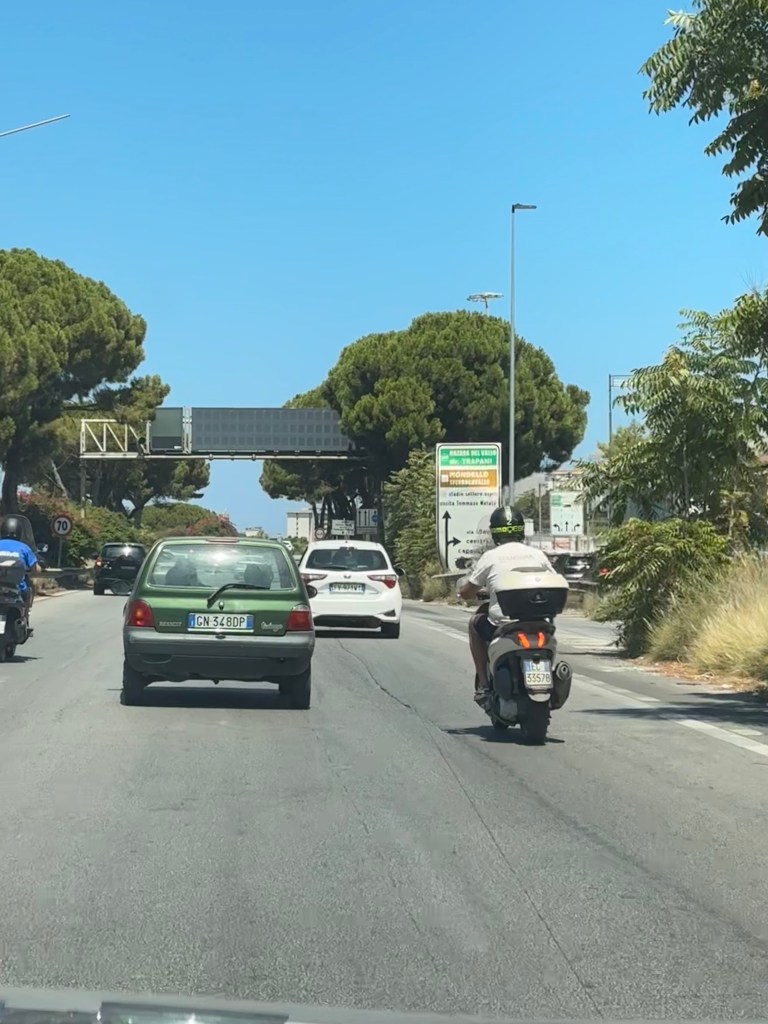

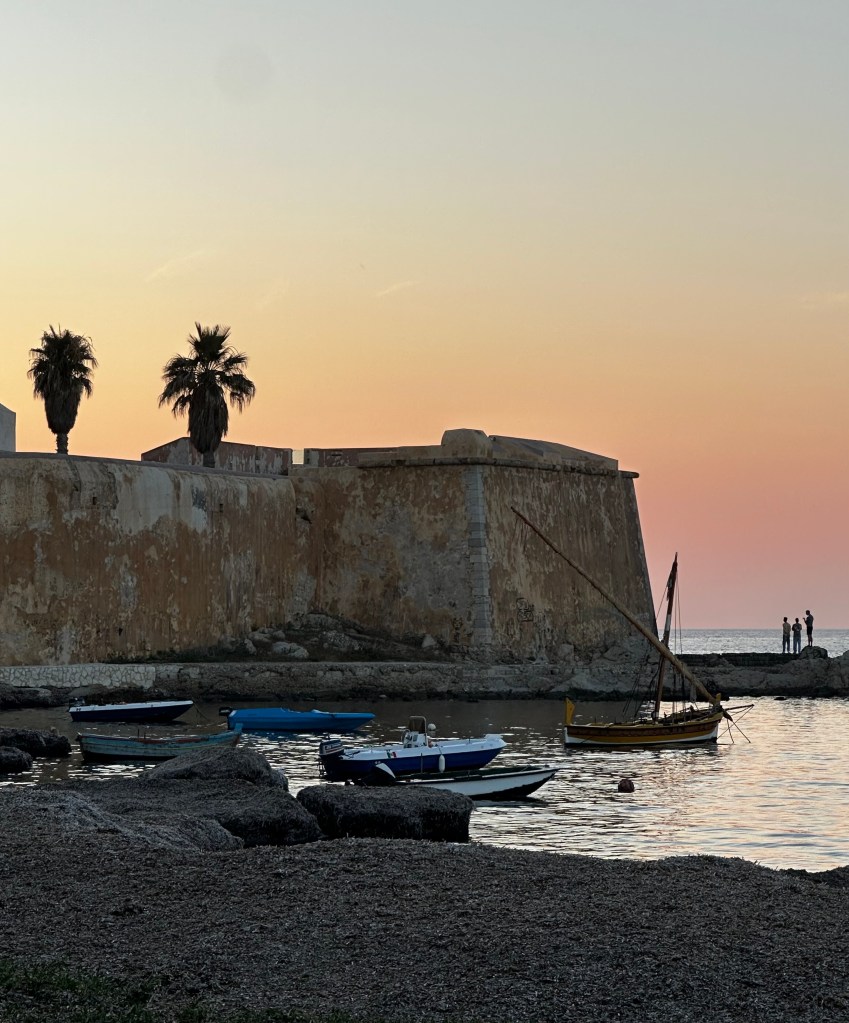
Trapani is located on the west coast and is an important fishing village as well as the main gateway to the nearby islands of Favignana and Levanzo. It was once the commercial gateway for the ancient city of Eryx (modern day Erice situated on the top of the mountain overlooking Trapani which we would visit during our stay) as well as for the extraction and trading of salt that is still an activity undertaken today.

As we approached the city the GPS took us for a loop around the port skirting the Old Town on route to the other side of the city where the beaches were. On arrival outside the address of the apartment block we were lucky to get a car park in the street across from the beach although it was all paid parking (with coins, not card) for the duration of our stay which provided an initial challenge. We eventually worked out a clever way around this problem during our stay but more on that later.
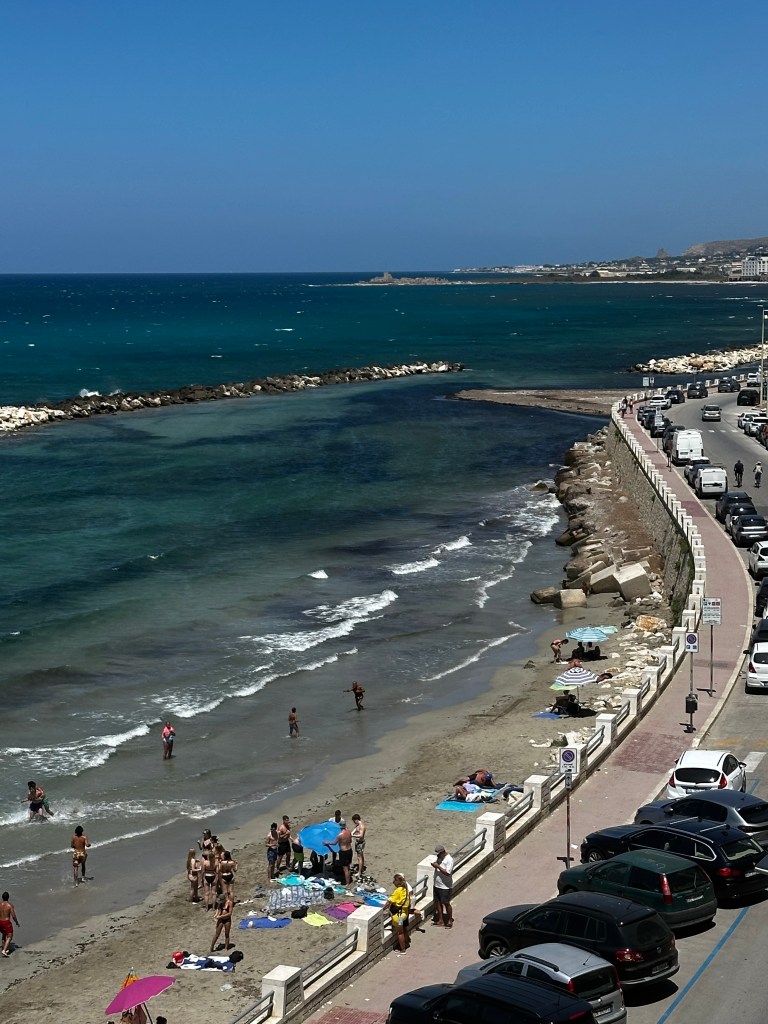
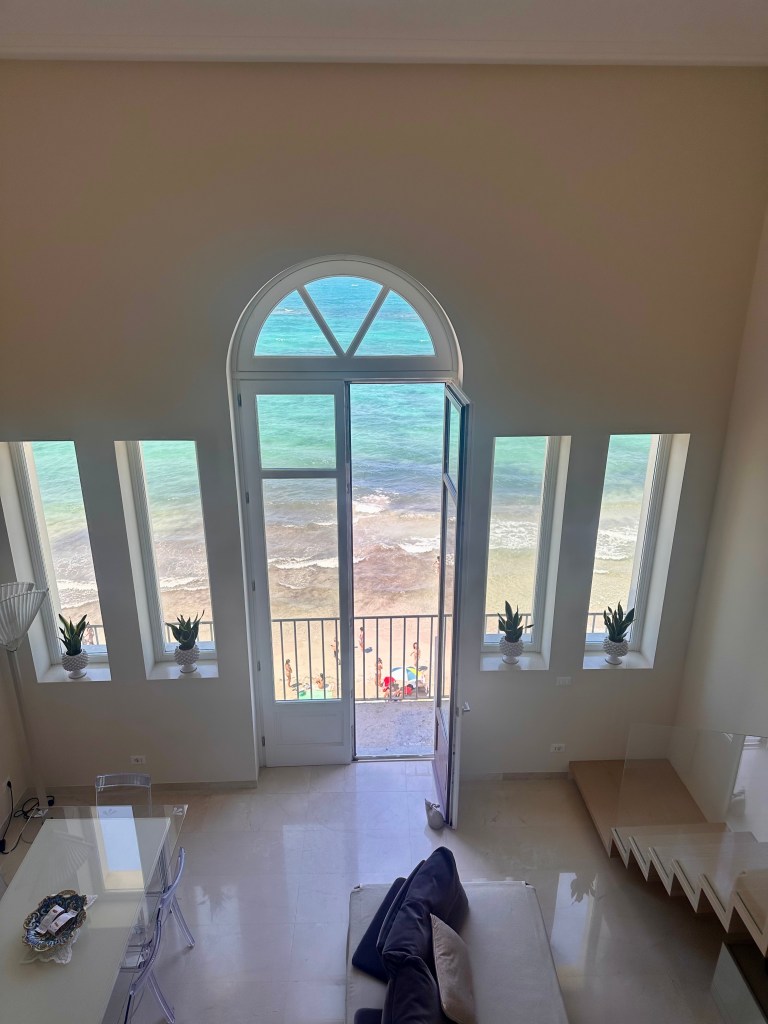
Our apartment, Luxury Loft by the Sea was simply amazing with a bedroom loft, a large ceiling to floor glass door opening onto a balcony overlooking the water and a great kitchen. Pauline had surpassed herself in finding this one.



The first challenge after settling in was to find some supplies for our stay with most of the shops closed for “siesta” so we took a stroll around the Old Town to get our bearings and then headed back to the bakery, grocery and laundry product shops we had identified earlier which by then had reopened for the evening. We found siesta time a great opportunity to explore the various towns on our trip as it is quiet with few locals and tourists about enabling you to get some great photographs of the architecture and landmarks without issue and with the afternoon light providing good colour.
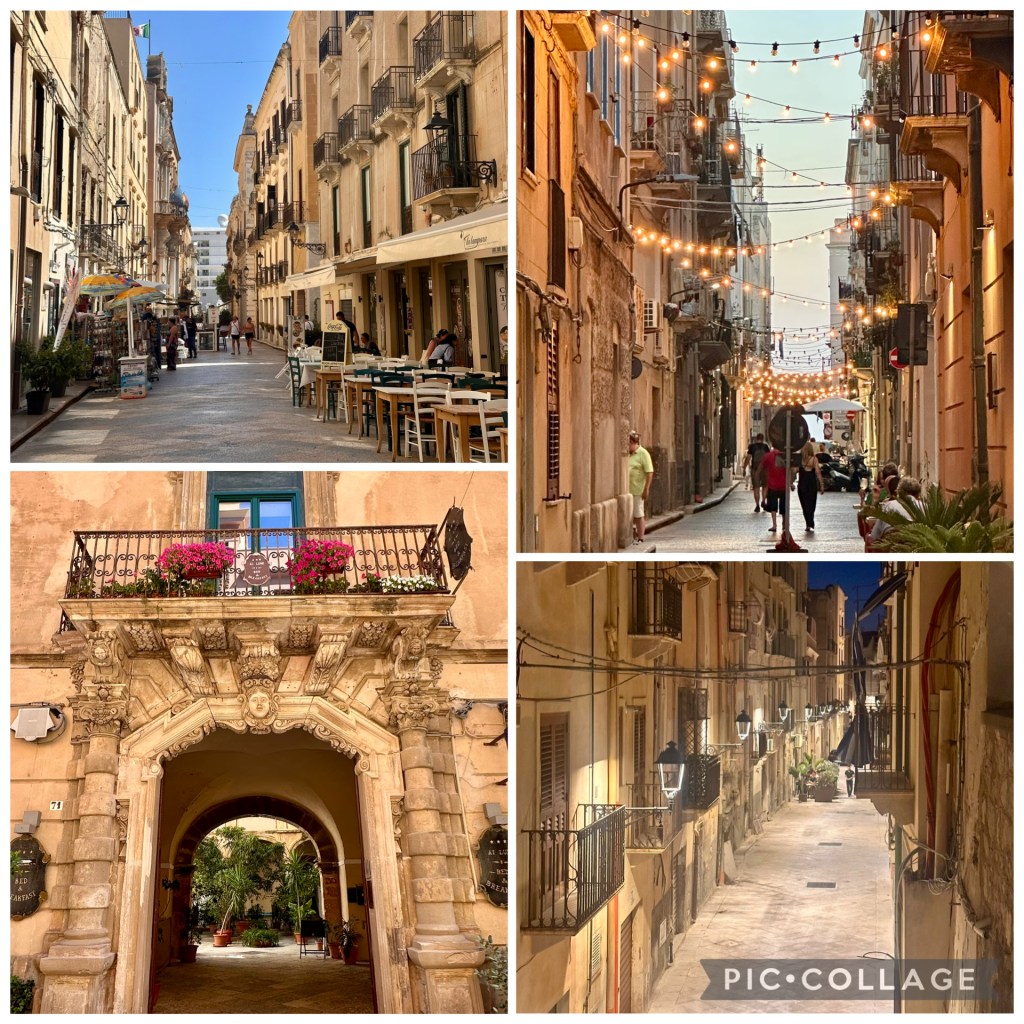
In the evenings we would walk through the Old Town and pick quaint local restaurants at random and if you eat relatively early there was no issue with getting a table without a booking. If you left it until 8.30pm/9pm it turned out to be a scramble.



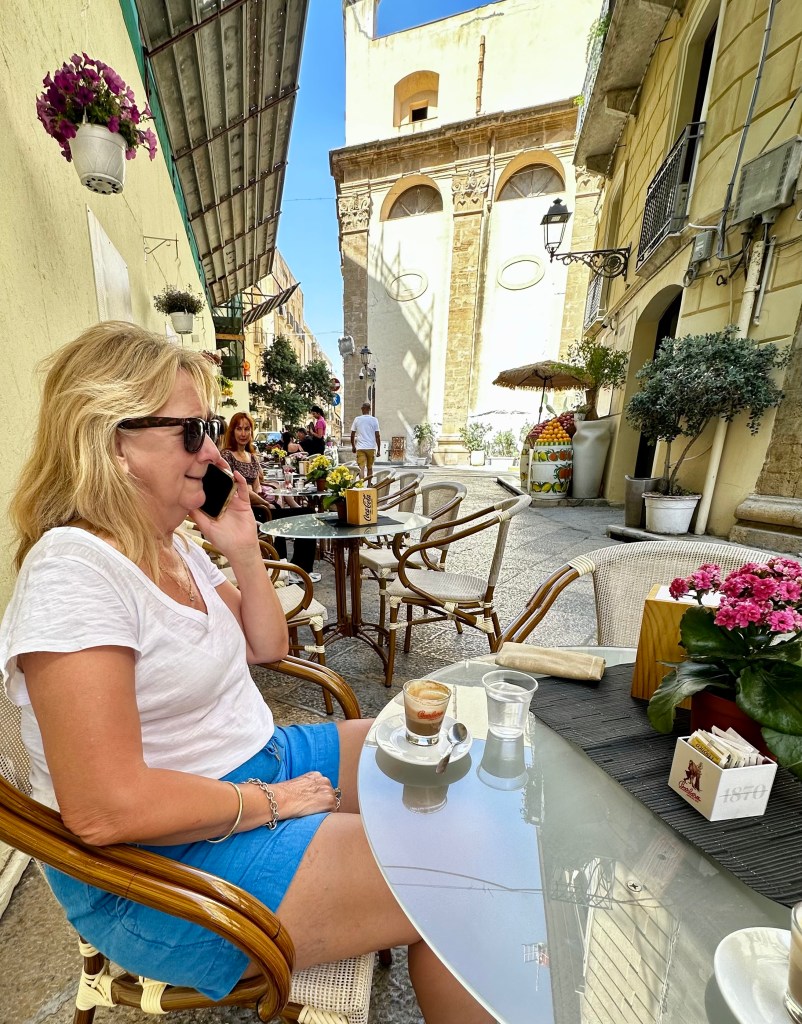
Each morning, we would wander down the laneway at the rear of our apartment block and have coffee and amazing croissants with the locals which was a fabulous way to enjoy this city. The café had a huge table of pomegranates out the front as well as oranges for juicing etc which you do not see at home – they are so abundant and cheap in this part of the world.

I mentioned earlier that parking during our stay was in front of the apartment on the waterfront with meter parking for most of the day. The cost was Euro 1.50 per hour and was by coin only (no credit card facility) and no notes, so we had to come up with enough coin to keep feeding the meter. To do this we started buying water at the local shop, then small souvenirs to allow us the break the notes we had but as we were there for 3 nights that practice only lasted so long.
We then came across a small shop front that had been turned into housing several drink vending machines filled with drinks, coffee, pizza but importantly, bottled water that dispensed coins for notes as change – we had hit the jackpot, we could buy our Euro 0.80 bottled water and receive coins for the meter as change without having an issue with the local shopkeepers. We subsequently found that vending machine popups had been installed in many towns in Italy since our last visit and used them frequently when we needed coin.
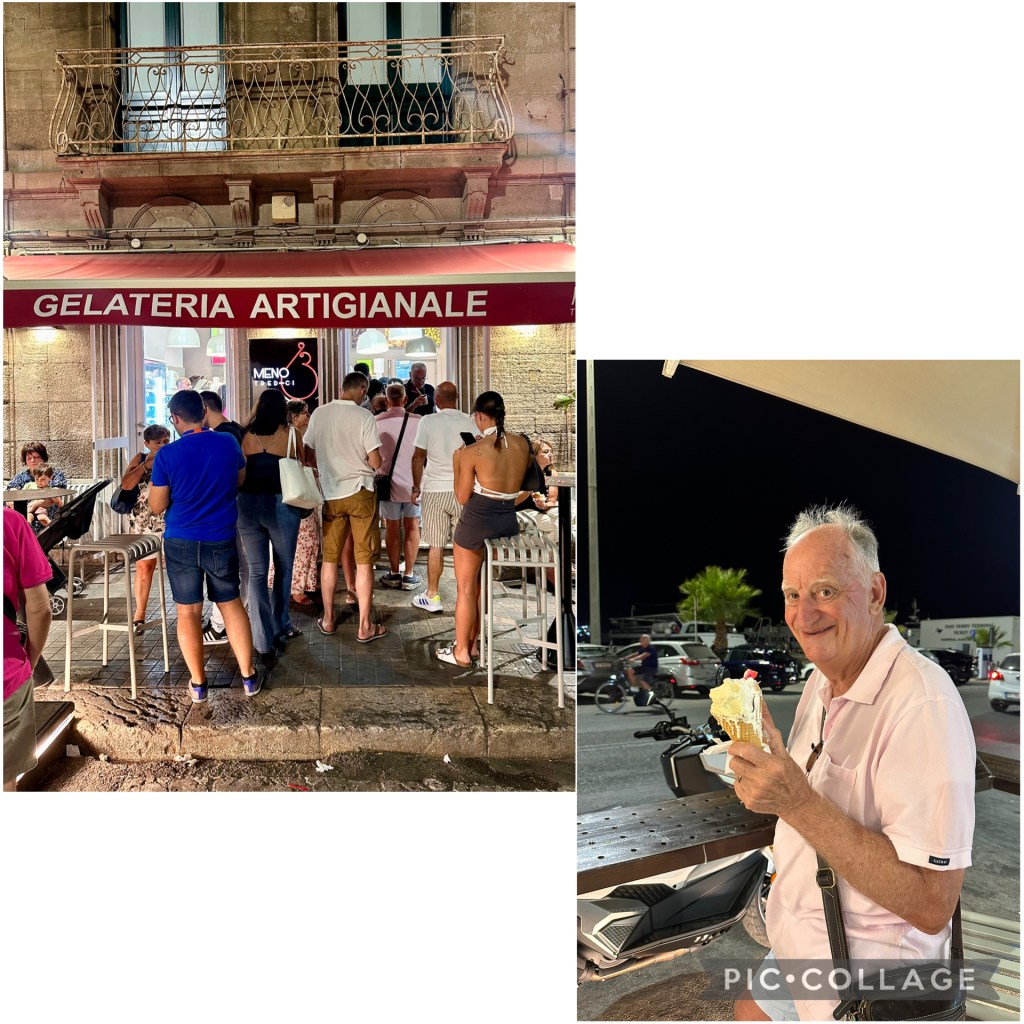
On one of our evening walks we came across this gelato shop that was across from the ferry terminal and was packed with tourists lining up outside. It was essential, of course, that we try the local produce but given the warm night air I wore a lot of the gelato melting down my legs – still worth the effort though.
Prior to leaving Trapani we wanted to visit Erice which we discovered could be reached by a cable car a few kms out of town. However, when we got there the lower station was closed with a sign (after translation) stating that it was not running today due to high winds. The only way to get there was to continue to drive up to the top of the mountain along a very steep and winding road which was not for the faint hearted. However, the scary drive was worth the effort as the view from the top is simply amazing.
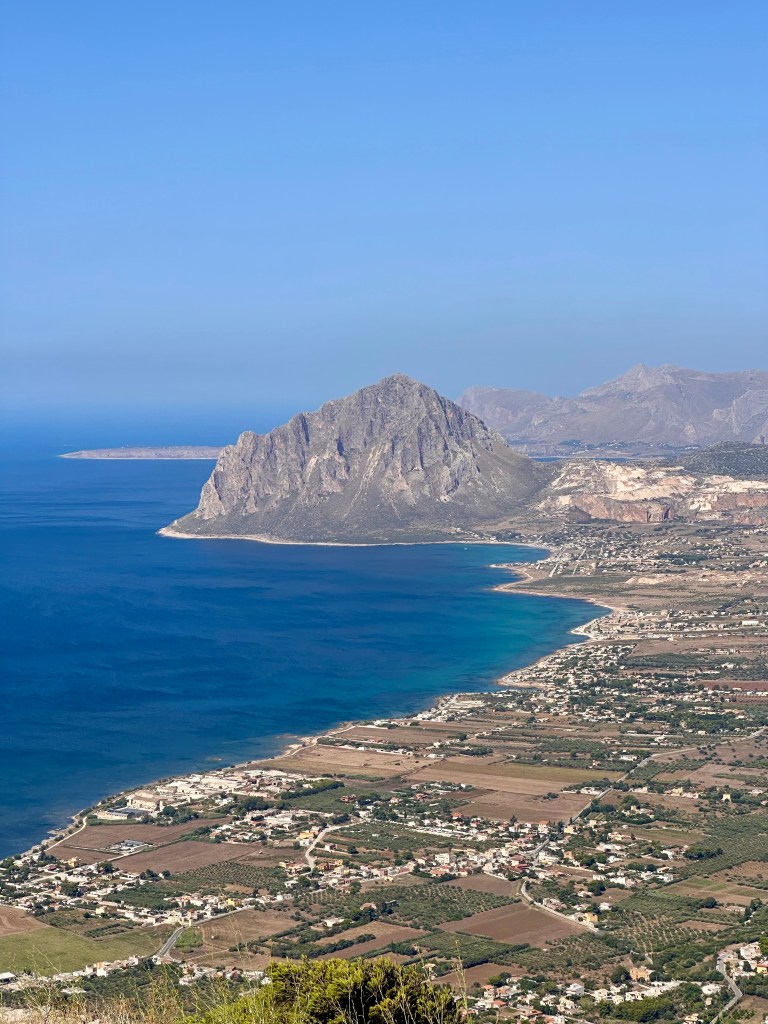
Including a view over the famous salt pans that we were proposing to visit the next day and the islands of Favignana and Levanzo that we would like to visit when we return.
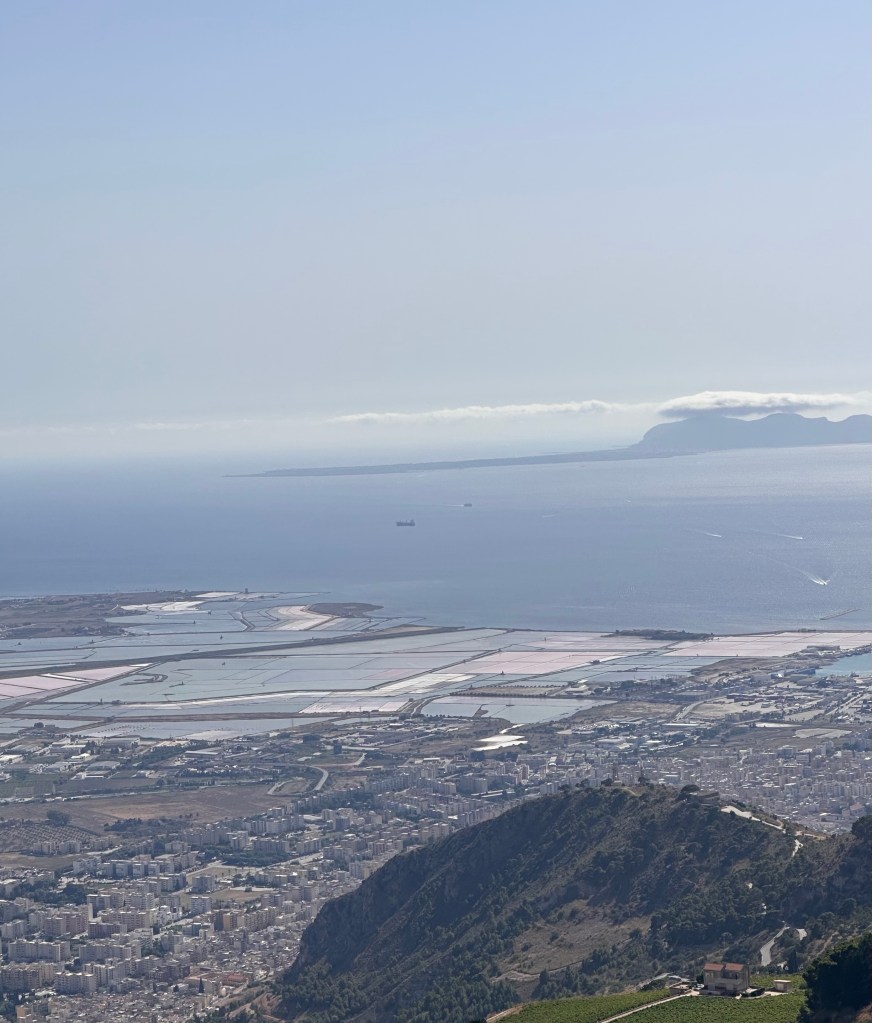
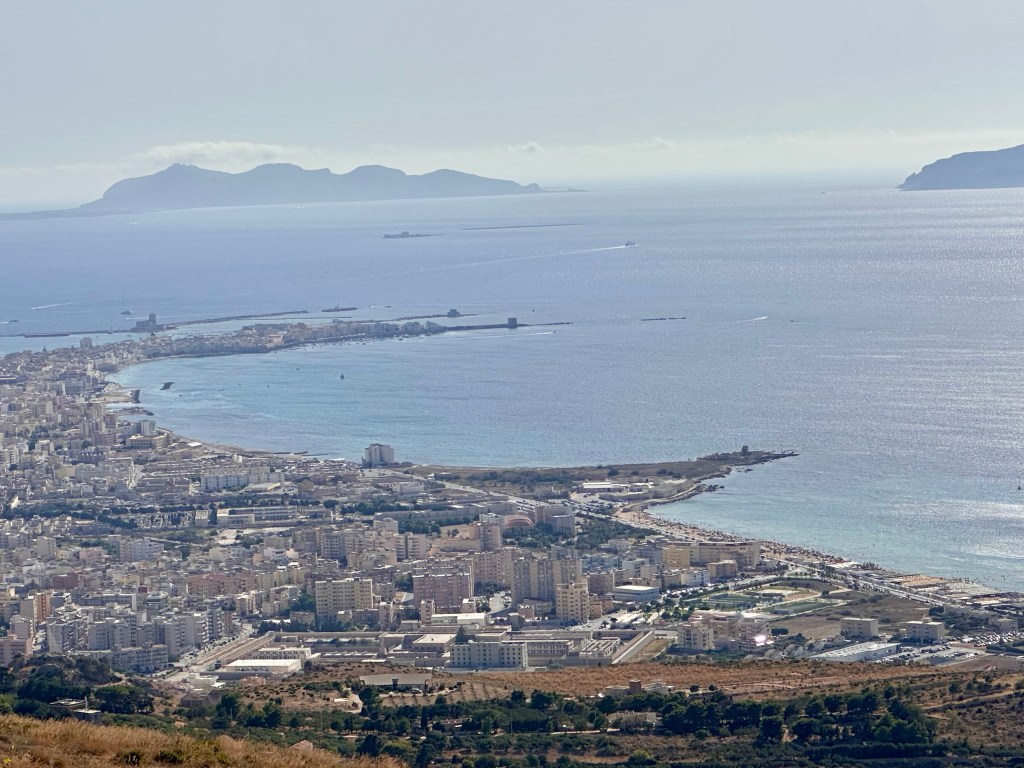
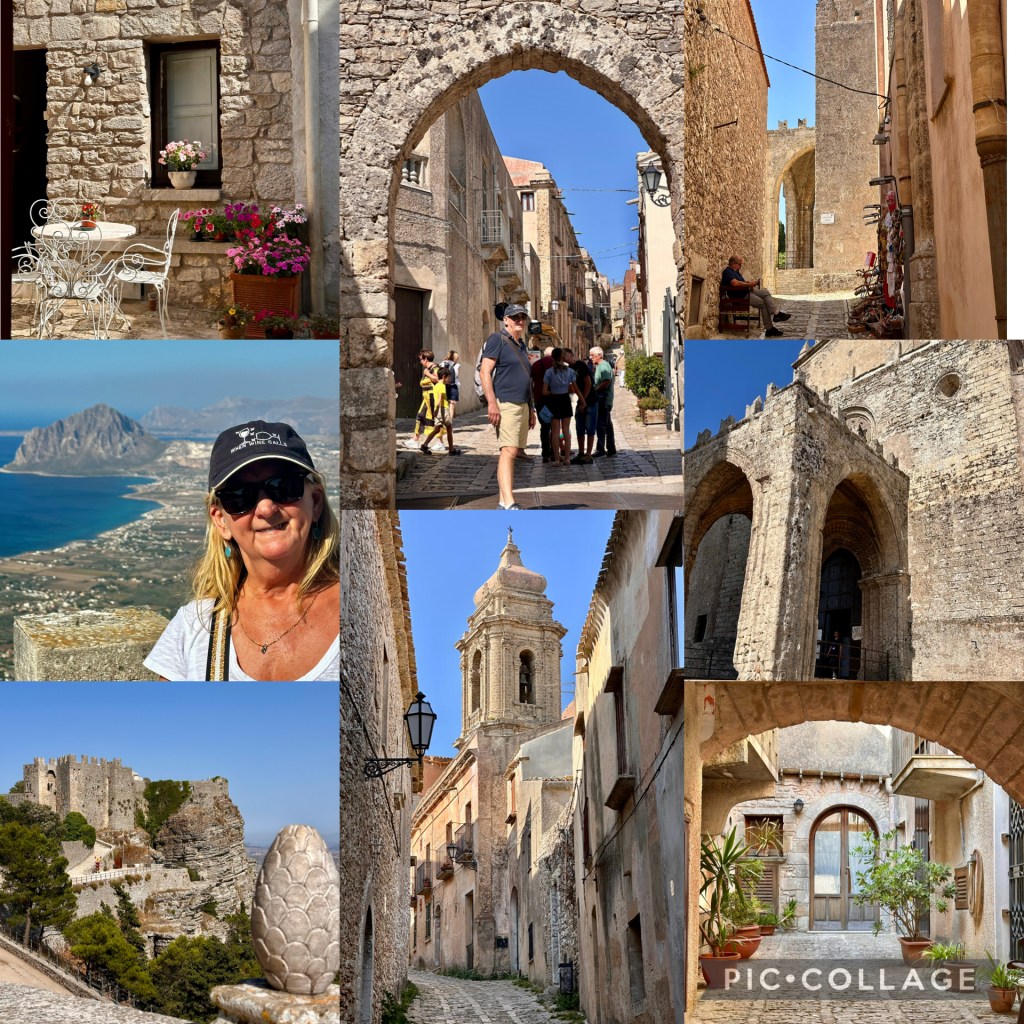
Erice is situated on top Monte San Giuliano and was built on the site of the ancient city of Eryx which dates to pre-roman times. It still retains its medieval layout and architecture with little change, and its cobblestone streets and alleyways are amazing to stroll around. Due to the cable car not running the city was relatively quiet with few tourists giving a sense of what it was possibly like years ago. It is a must see if you visit Sicily.
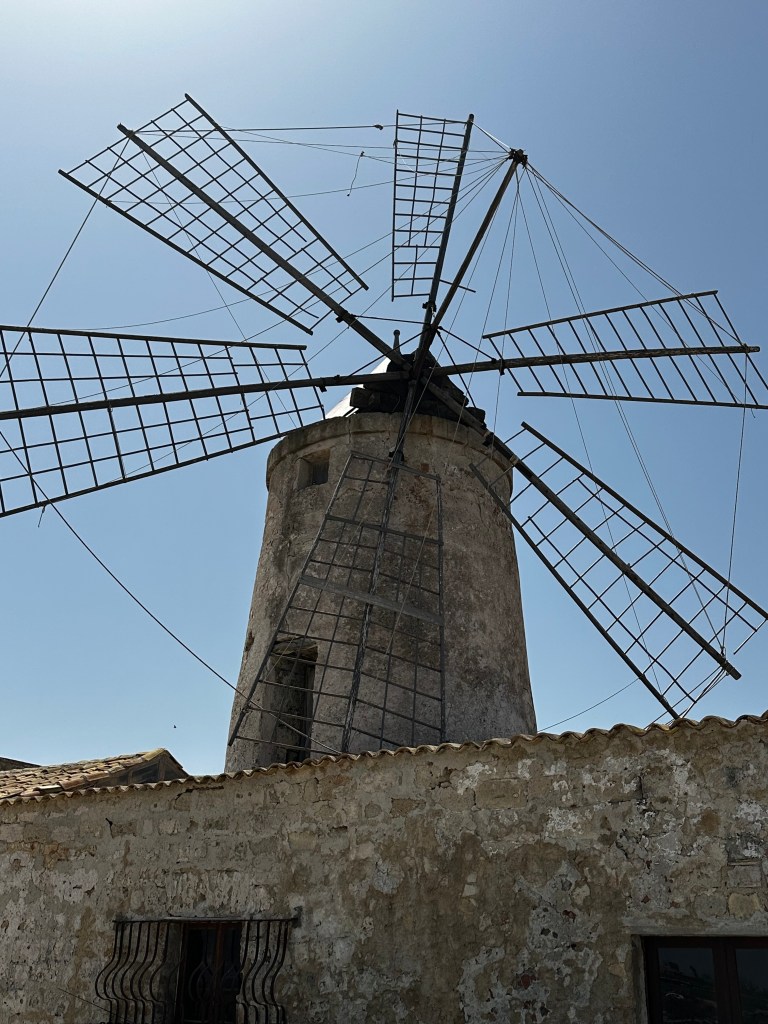
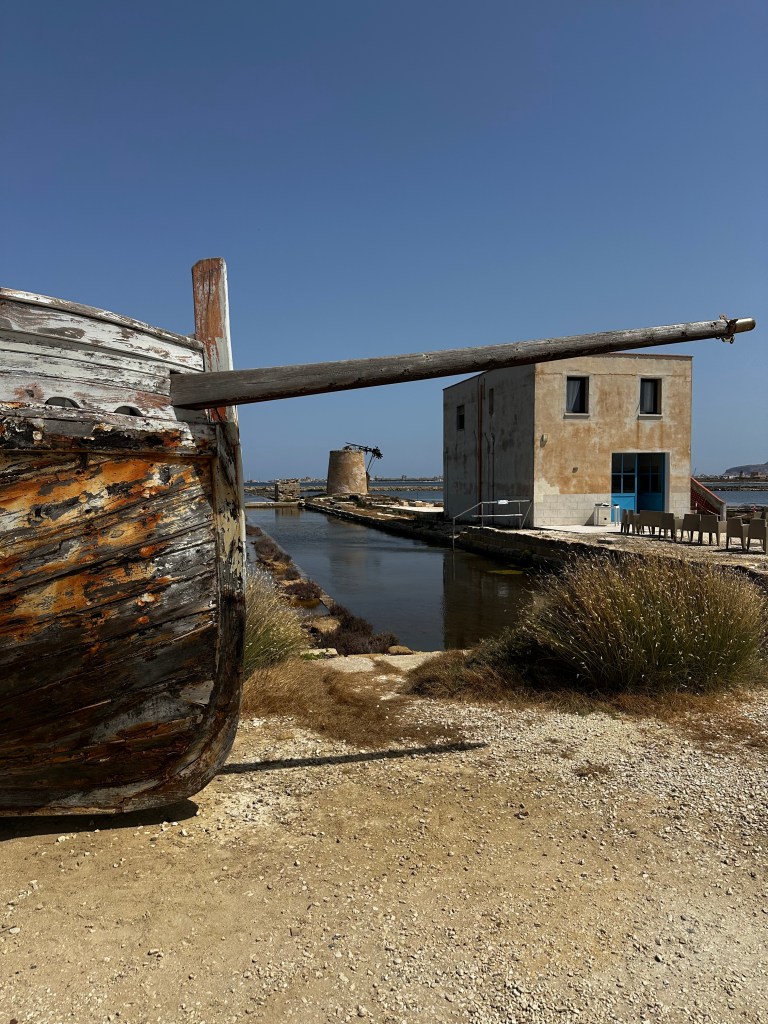
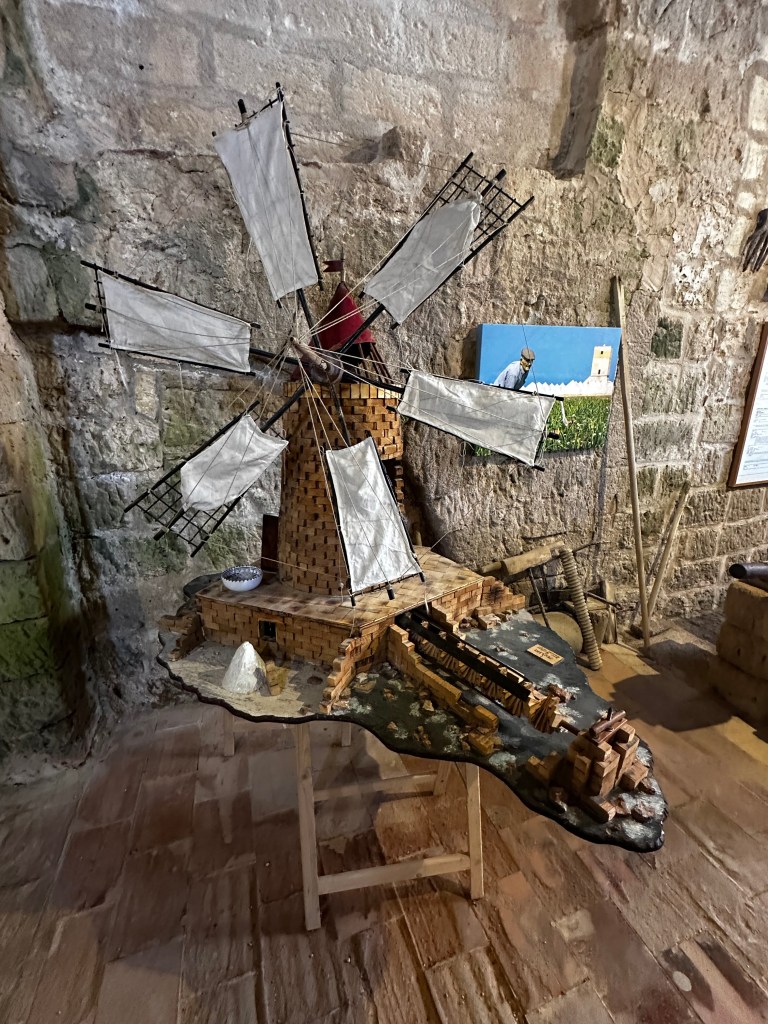
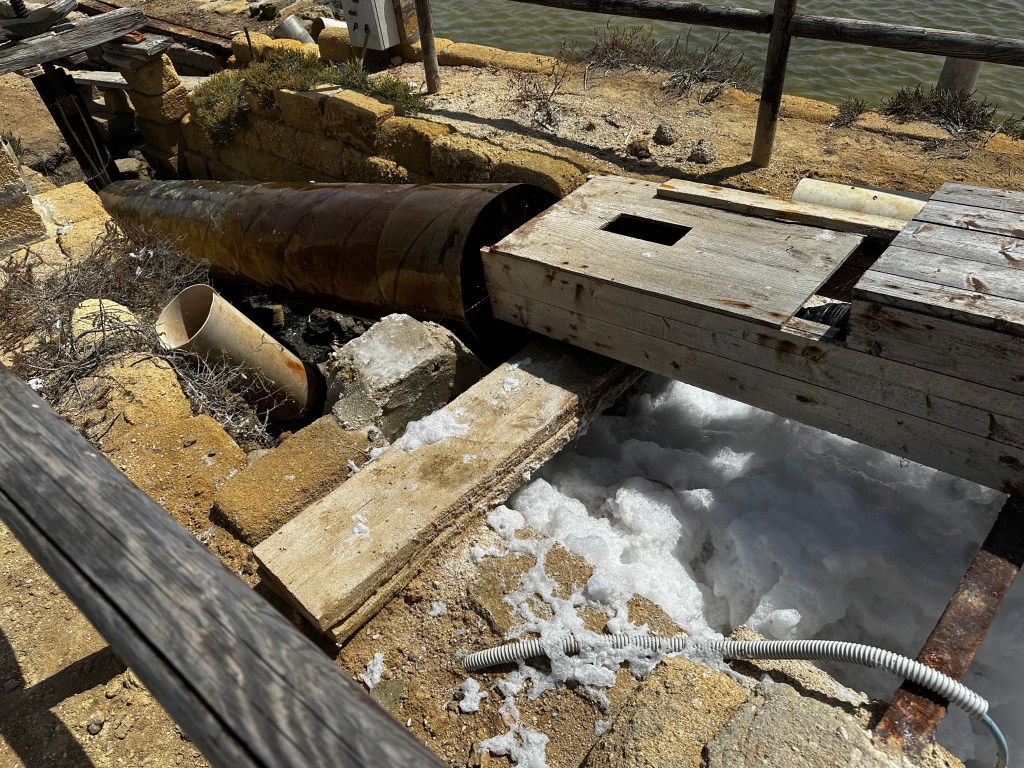
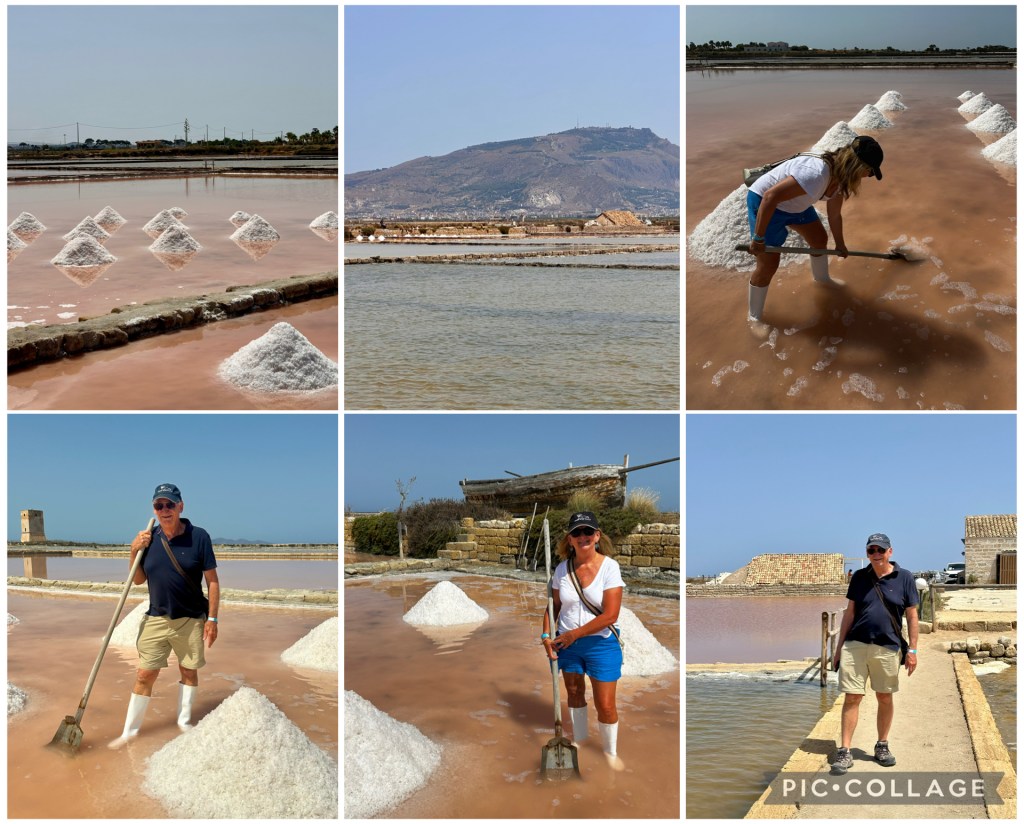
The next day it was time to say goodbye to Trapani after a wonderful few days as we headed down the west cost of the island on our way to our final stop in Sicily, Agrigento. On the way we stopped at the historic Saline di Trapani, a sea salt harvesting farm which offers a glimpse into ancient salt production and provides tourists the opportunity to harvest salt in one of the basins as it has been done for centuries and continues today. It was a unique experience and well worth the effort of going off the highway to locate it.
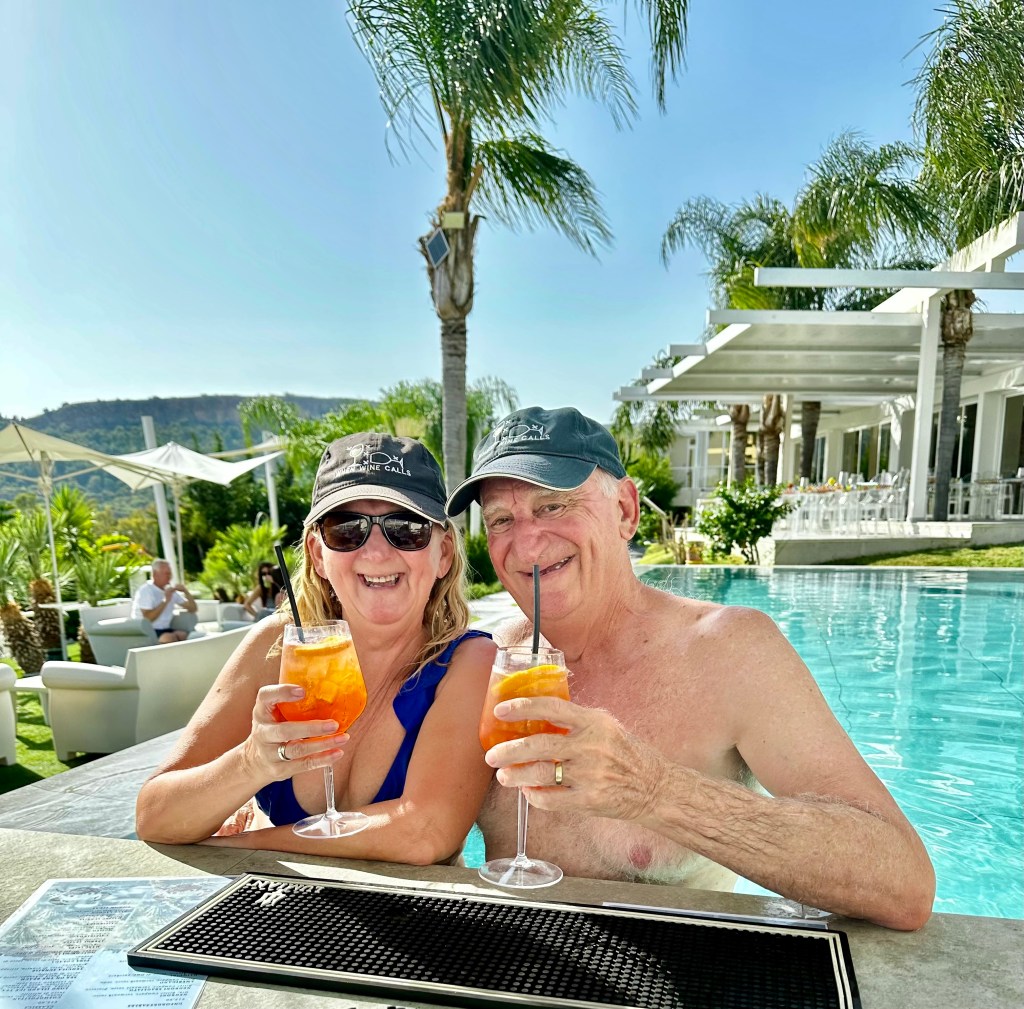
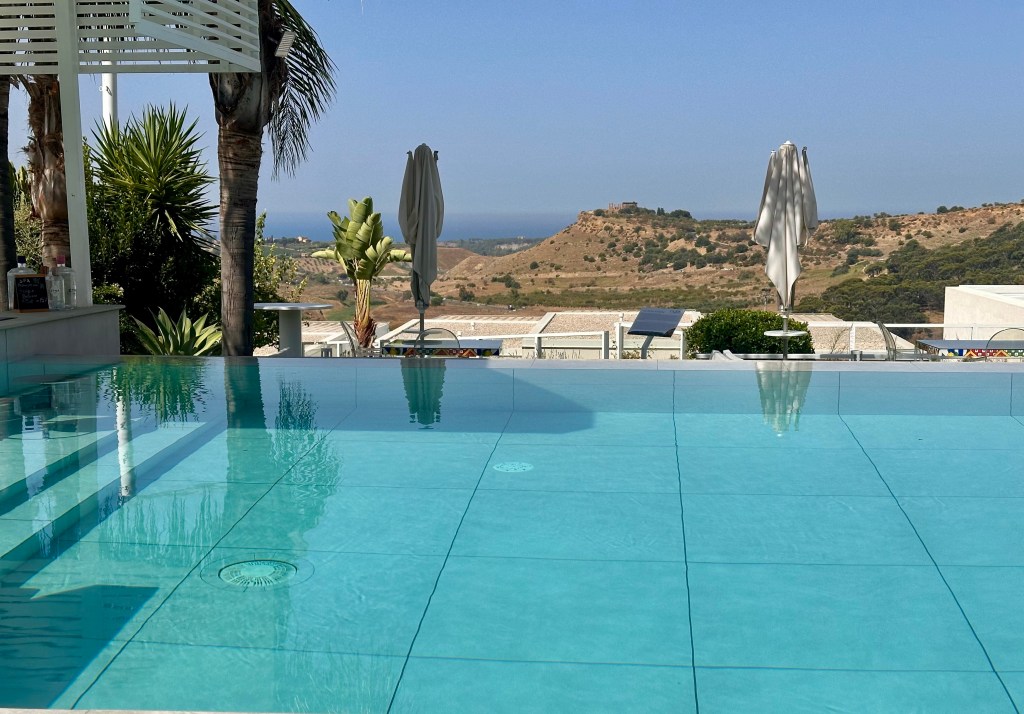
We were excited to be heading to Agrigento after friends had been there a few years ago and generously provided details of their itinerary through Sicily with amazing pictures from the Valley of the Temples located just outside the town. They had chosen to stay at the Doric Eco Boutique Resort and Spa, and we decided, after seeing their photographs that we just had to stay there ourselves.
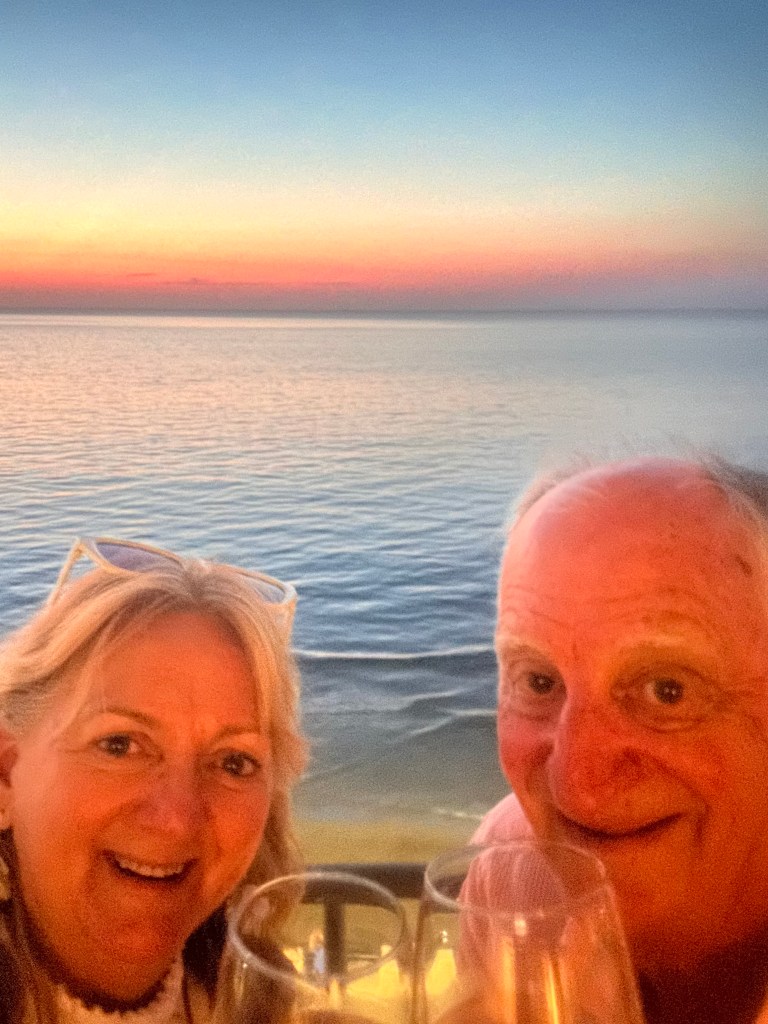
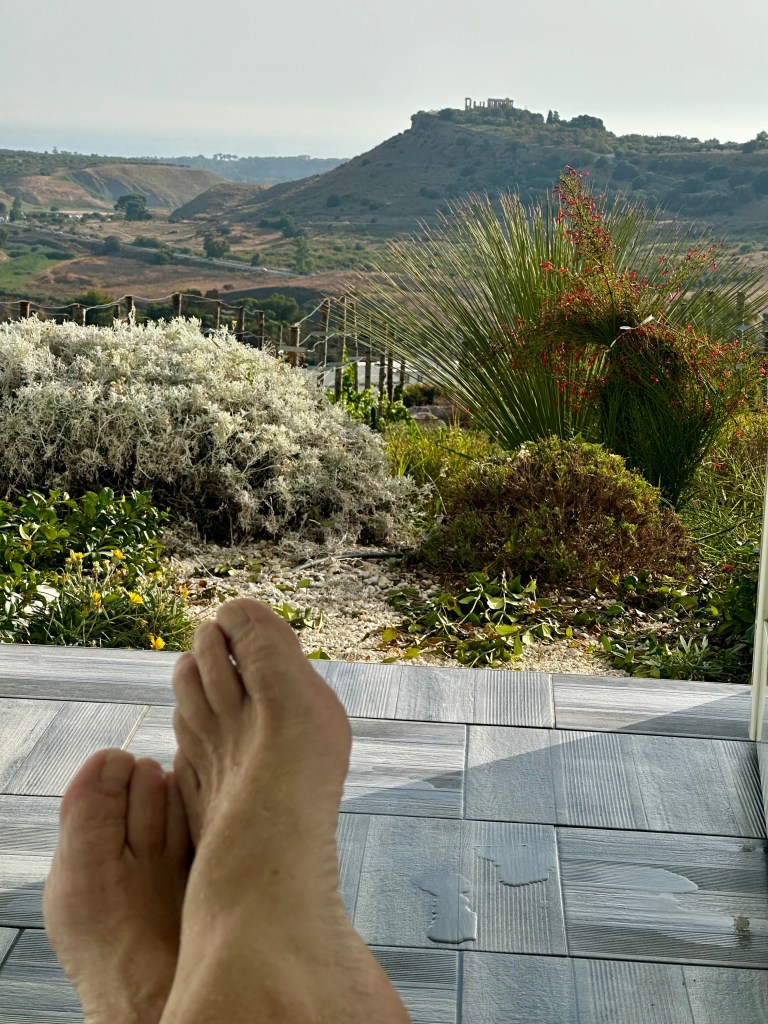
The Resort is located on a hill with the most amazing views of the surrounding hills out to the coast as well as a stunning view of the Temple of Hera (or Roman Juno) that sits on the hilltop at the top end of the Valley site – the Temple was clearly visible from your room and was lit up at night providing an unforgettable vista. We had a wonderful few days at the Resort enjoying the facilities and the most amazing food and local wine at their restaurant, Ambrosia with stunning view across the valley.

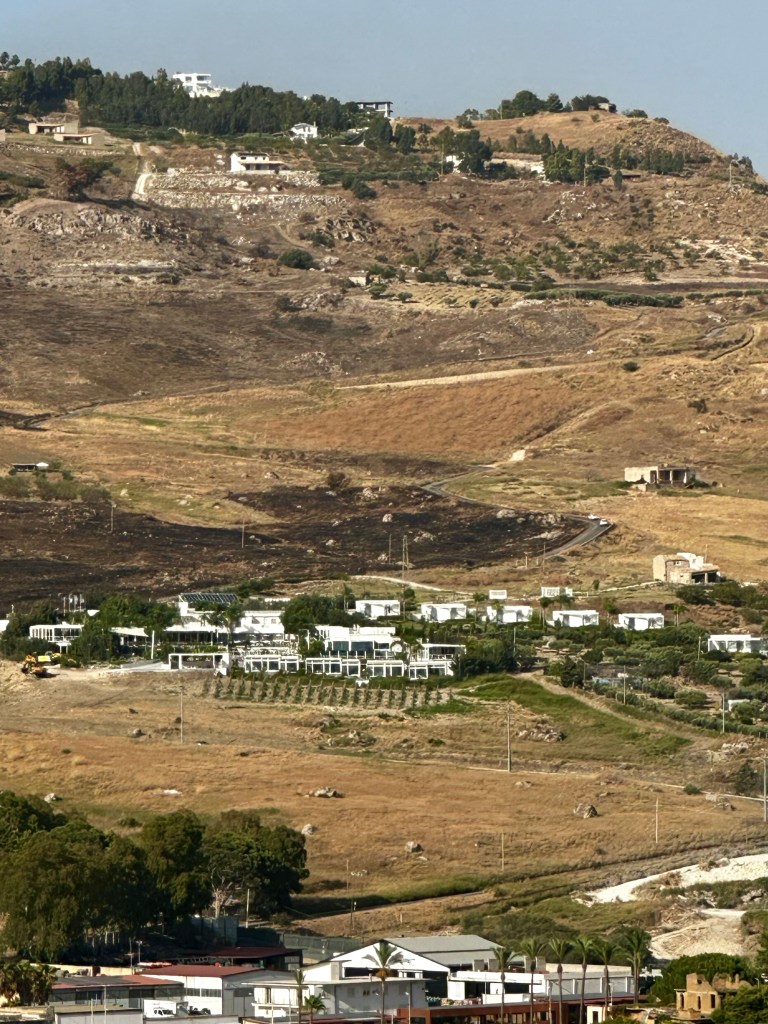
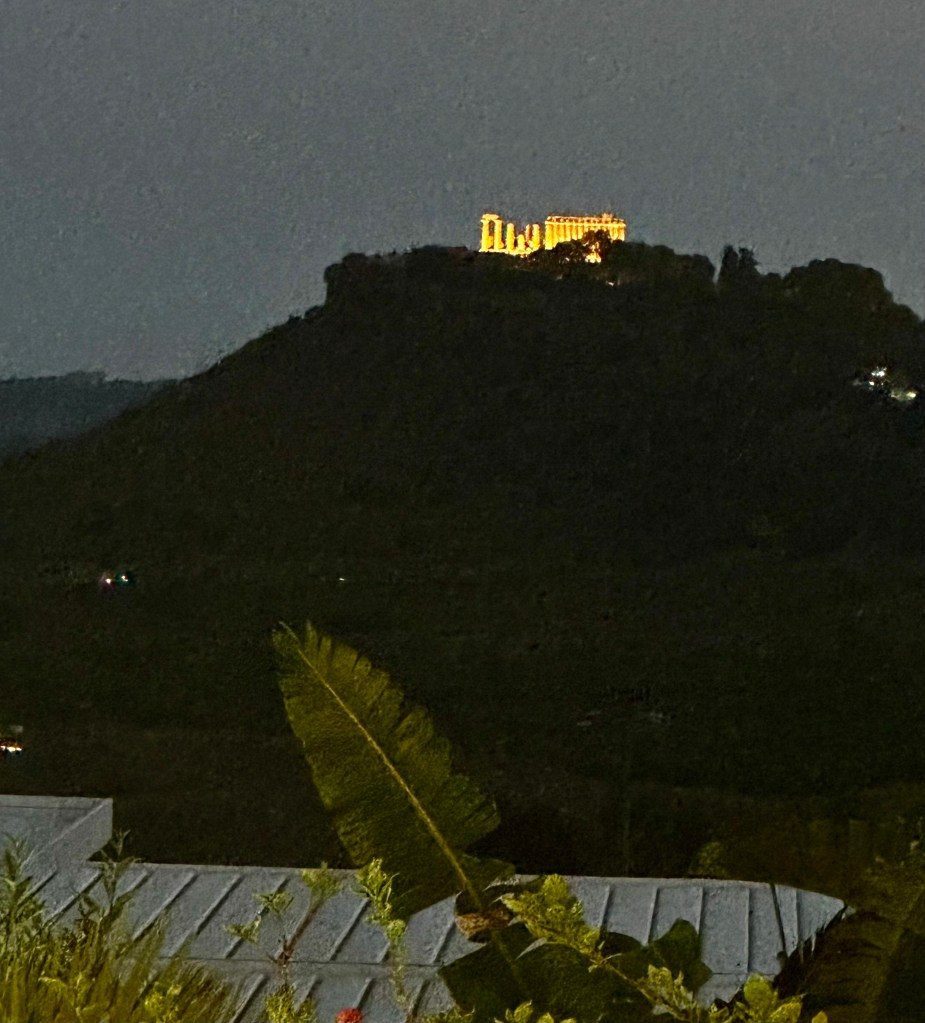
The resort manager mentioned that it was worth driving over to the coast to visit a prominent landmark Scala del Turchi (Stair of the Turks). The car drive over there was adventurous with the GPS taking us down a one-way street the wrong way with a local running down the street to warn us and help us turn around in what could only be described as an impossible task. After so many turns I lost count we headed back down the street and found the correct road to get to our destination, not without a bit of sweat and learning a few new Italian words along the way.
The Scala del Turchi is a natural white marl cliff formation on the coast of Realmonte, near Porto Empedocle, that resembles a large staircase cascading into the Mediterranean shaped by wind and rain over centuries. While it was used by pirates during the Middle Ages to land and raid nearby villages, today it is more famous for its mention in Andrea Camilleri’s detective stories about Commissario Montalbano. Like all so-called tourist attractions these days there is a charge to walk the cliff, or you can view it for free from many vantage spots on the water’s edge and from the cliffs above – by way of protest at this practice we chose the latter. Nevertheless, the sheer white formation was incredible to view.
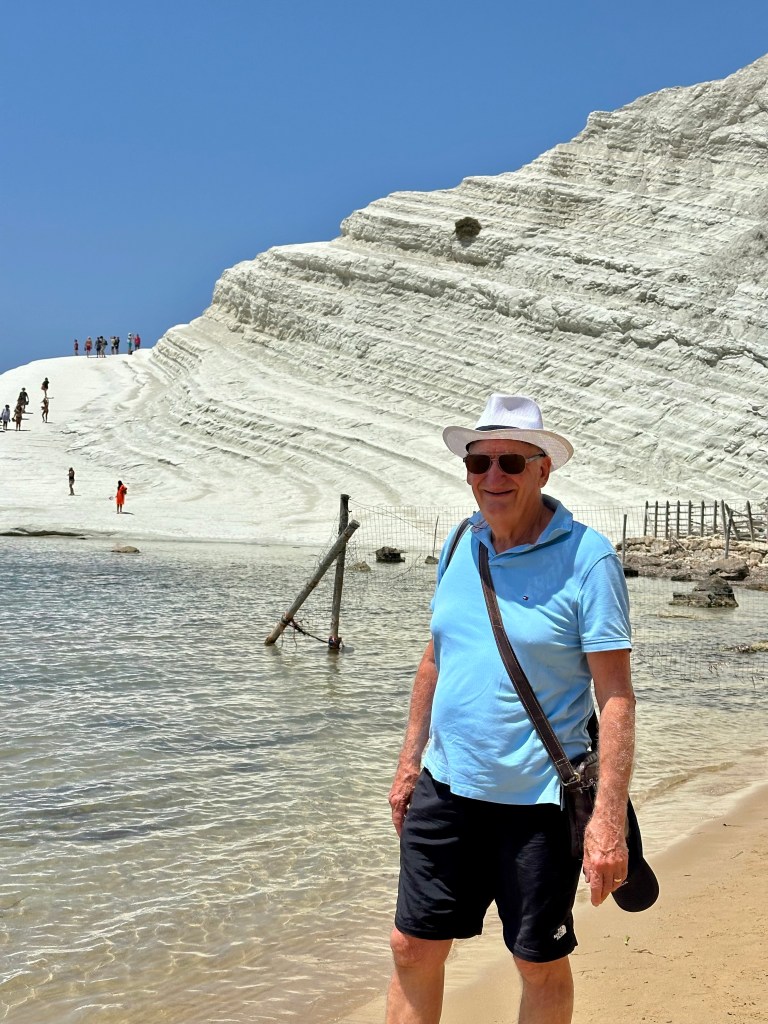
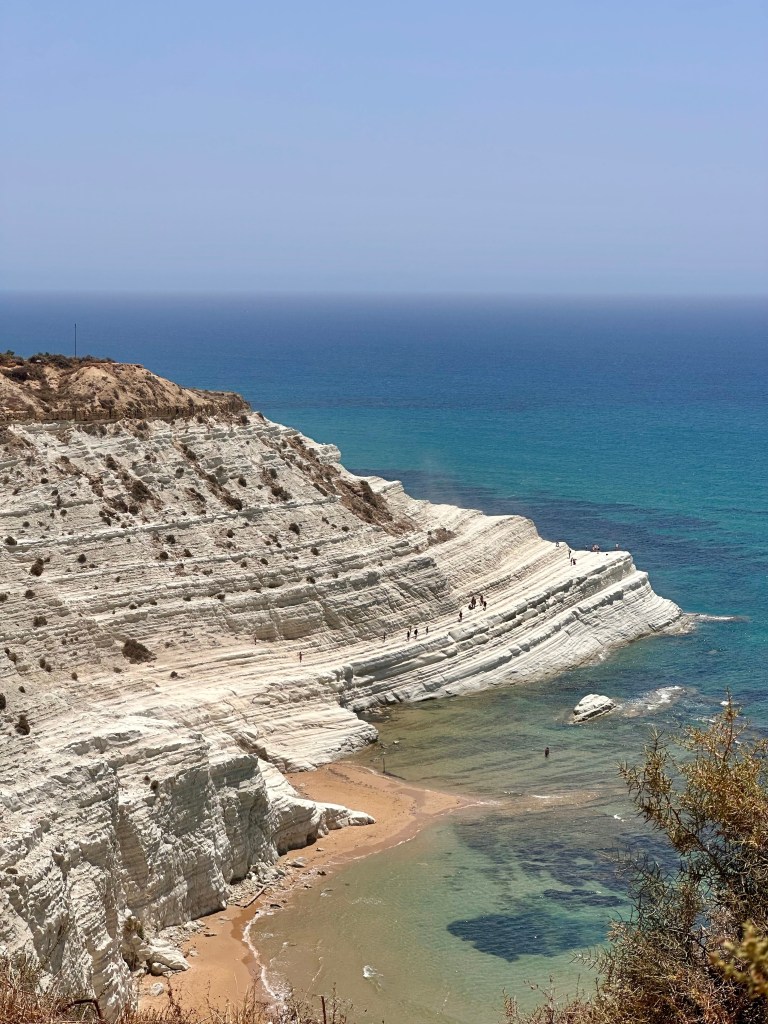
In the evening, we had booked a sunset tour of the Valley of the Temples to both avoid the heat and crowds as well as see the temples in a fading light. While the tour itself was not great, again due to mixed language groups trying to be accommodated by the guide who simply was not up to the task, slowly walking through the Valley of the Temples without the crowds was still an incredible experience. The Valley dates to the 6th century BC built by the ancient Greek colony of Akragas and contains the remains of numerous temples, the most famous being the Temple of Concordia, the Temple of Hera and the Temple of Hercules as well as the remaining hilltop fortifications.

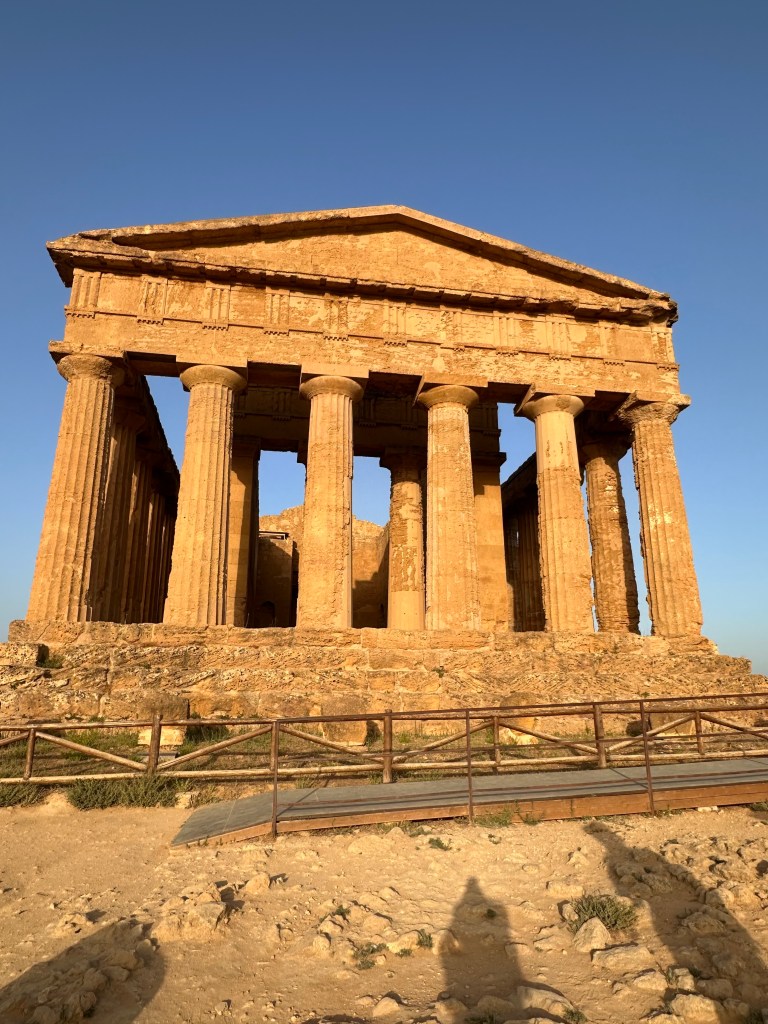

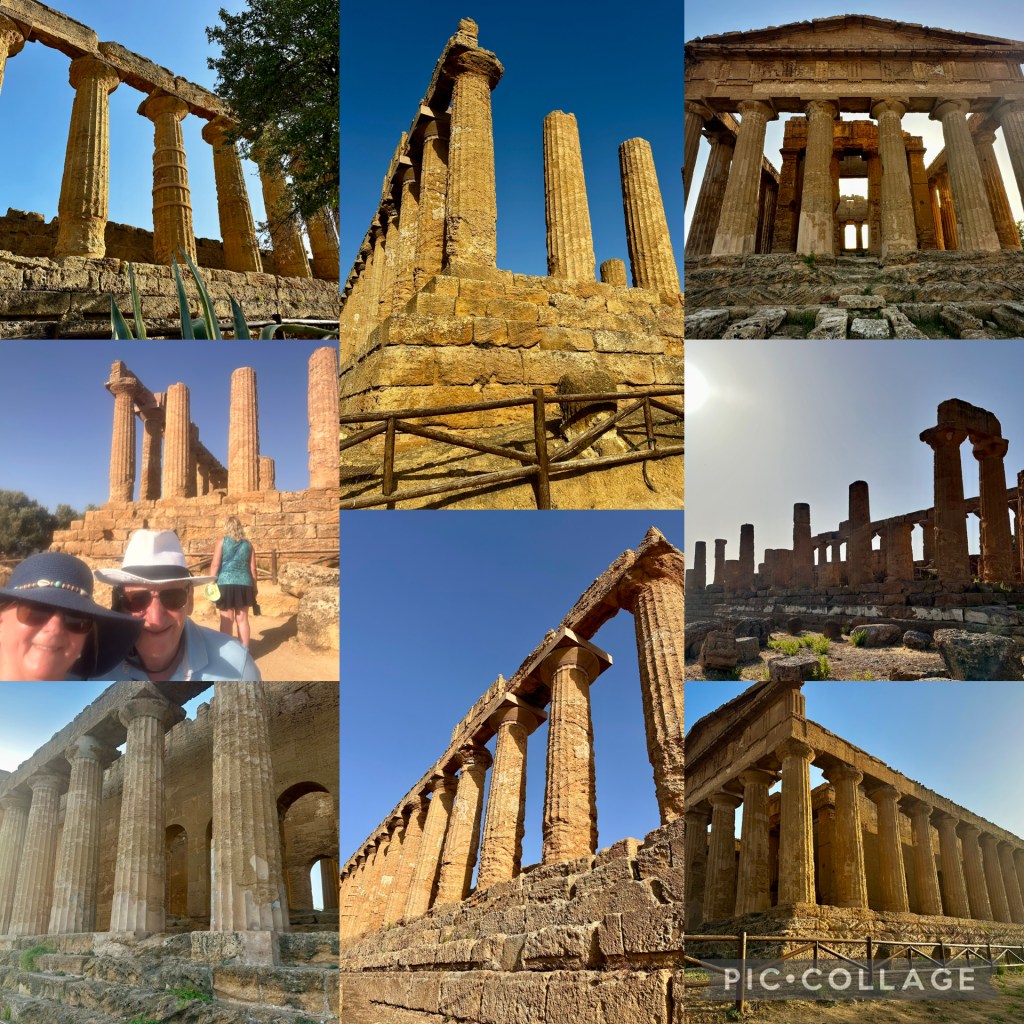
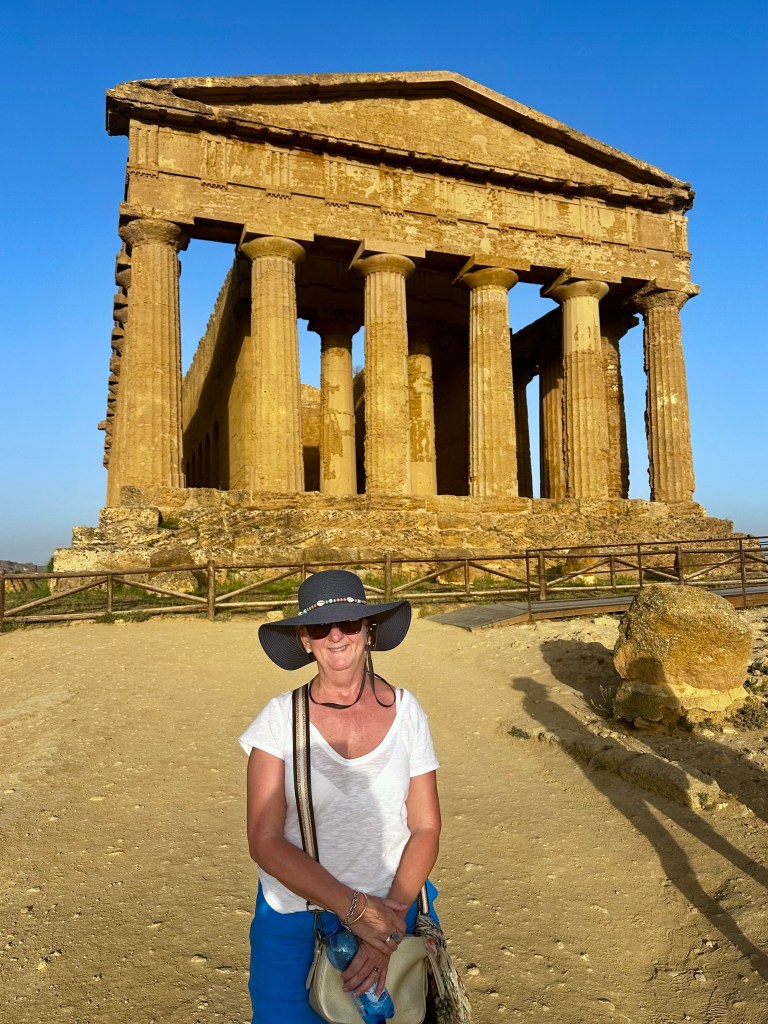

The visit to this remarkable Unesco World Heritage site was stunning and you could easily spend many more hours exploring more of it and soaking up its amazing history.
After a wonderful final dinner at the Resort it was time to pack up and the next morning head back to Catania Airport, drop the hire car off and fly to the next destination on of our Wine Afficionados Tour, a place where we had left so many amazing memories on our 2023 Summer Grape Tour, the incredible Puglia area in southern Italy. We had had an amazing time in Sicily, and will no doubt be back to explore more of this incredible island that has so much history, wonderful people and delicious food and wine.
Join us next time as we experience new adventures in Puglia – until then take care.
Bruce & Pauline

 When Wine Calls
Leave a comment