
Welcome back to When Wine Calls – “2025 Wine Afficionados Tour”.The next stop on our Ireland adventure was Galway located on the coast along the Wild Atlantic Way. The Wild Atlantic Way is a 2500 Km driving route along Ireland’s west coast stretching from County Donegal to County Cork with Galway marking the halfway point.
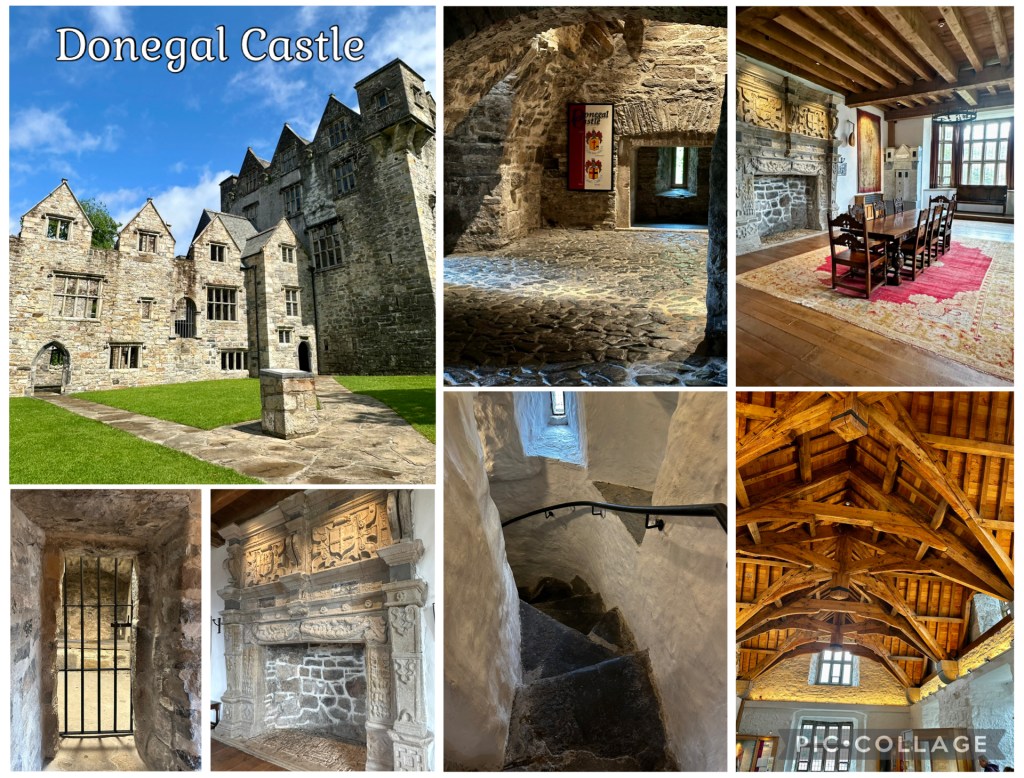
On route we called in to visit Donegal Castle. The castle dates to around 1460 AD and was built by the head of the powerful O’Donnell clan with it being regarded as one of the finest Gaelic castles in Ireland. It has now been almost fully restored.
We had picked Galway for two reasons, the first being that we could stay in an apartment to get our washing up to date again but more importantly we could get a cruise boat from the port out to the Arran Islands sailing along the Cliffs of Moher on the way back to Galway.
The Cliffs of Moher was one of my bucket list items and goes back to 1989 when Pauline and I travelled across from Dublin to see the cliffs (on Pauline’s recommendation from an earlier visit she had made in 1986) but within 5 kms we encountered the very heavy fog rolling in from the Atlantic and all I got to see was a cow in a nearby paddock. I have wanted to get back here ever since so this time arranged to see the cliffs from the water on one day and from the top the next day when we would be staying at nearby Doolin to hopefully avoid a repeat of our 1989 experience.
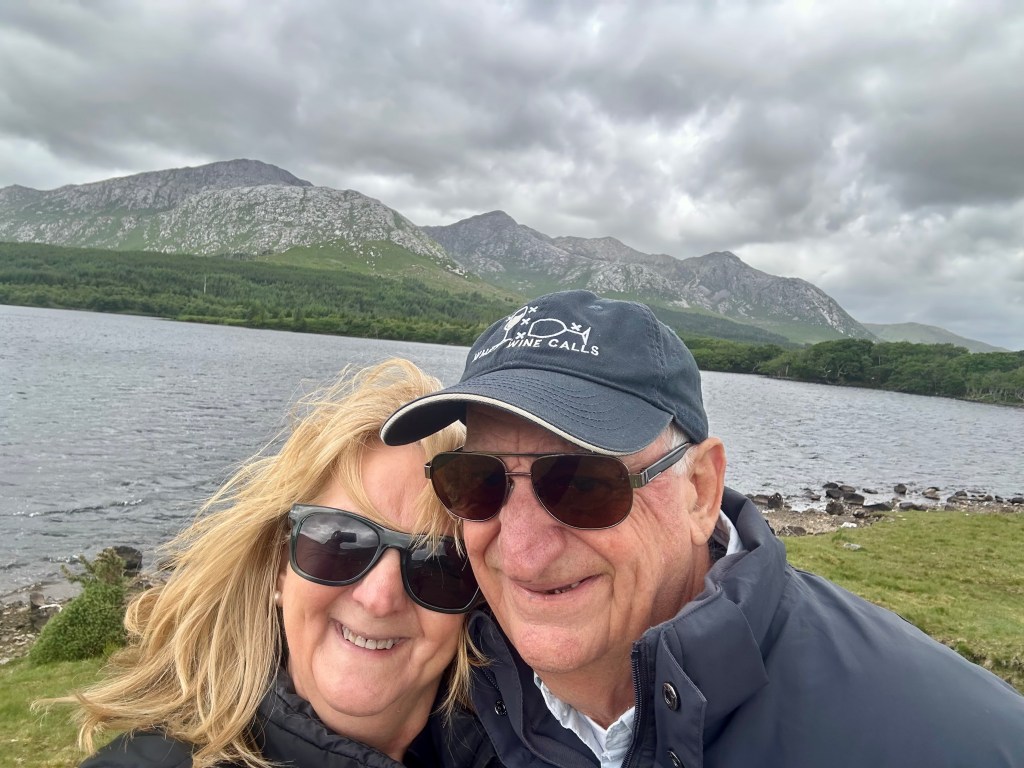
The day prior to visiting the Arran Islands we drove over to Kylemore Abbey. On the way we came across cars and a coach stopped by a lake and called in to see what was happening. It turned out to be a photo stop for views of the lake
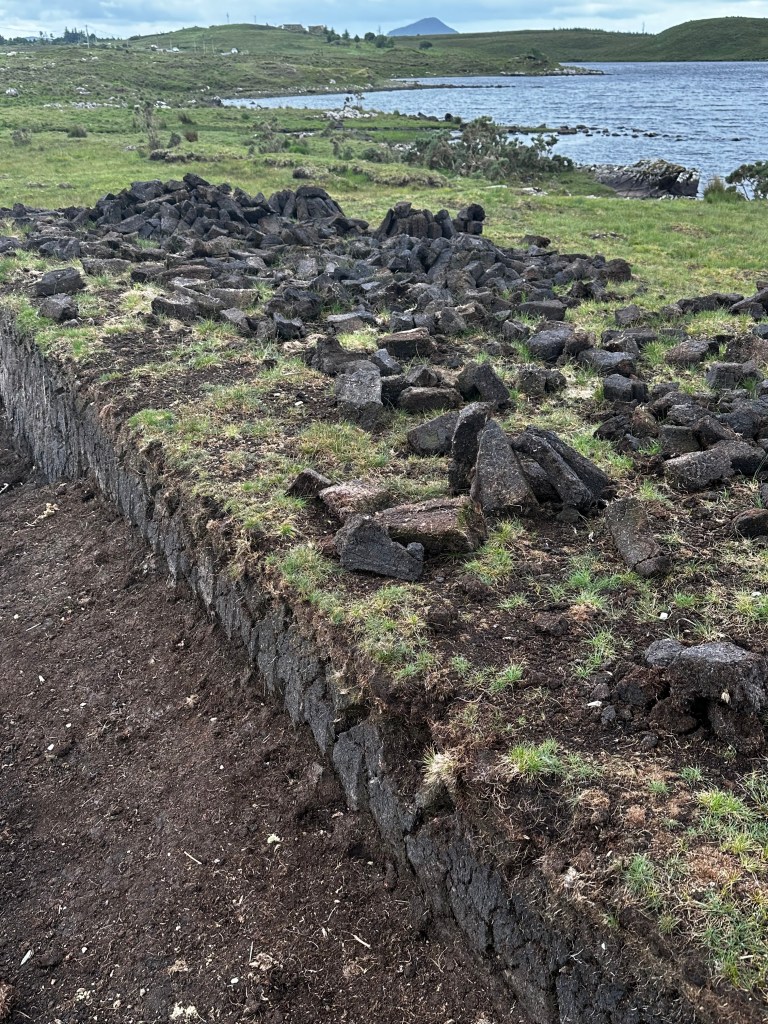
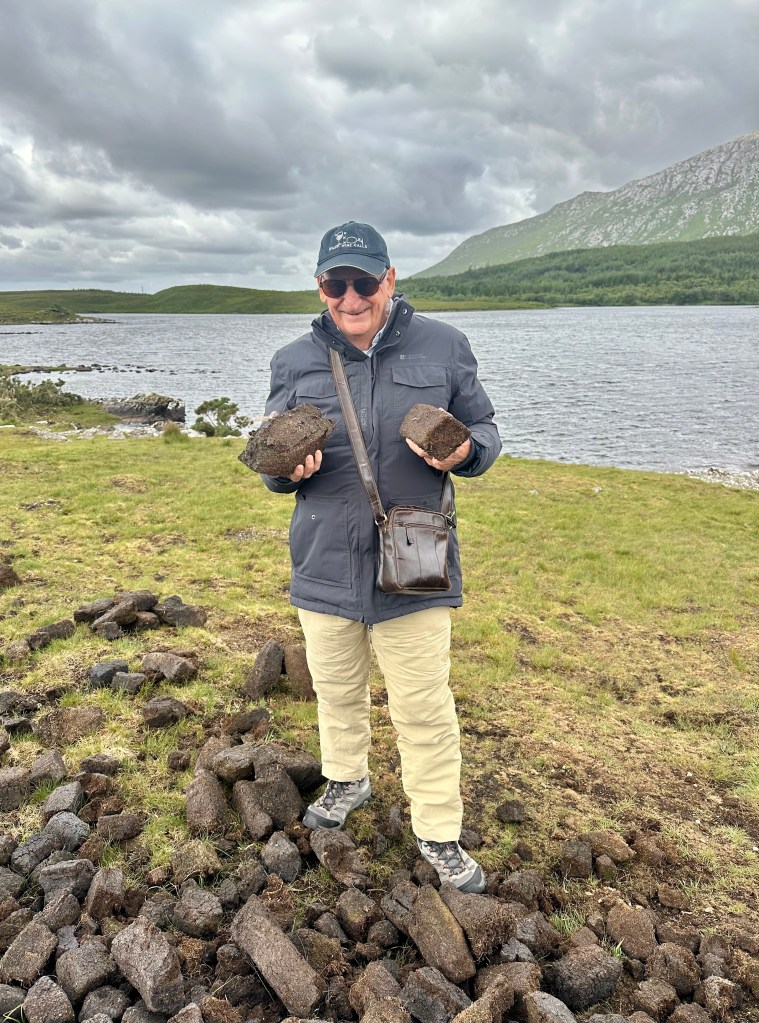
but more interestingly on the banks of the lake was an extensive field of peat that you could pull apart and smell the smokey flavour – being an enthusiastic peat whisky drinker this was heaven to me although most of the other tourists had no idea what they were walking on.
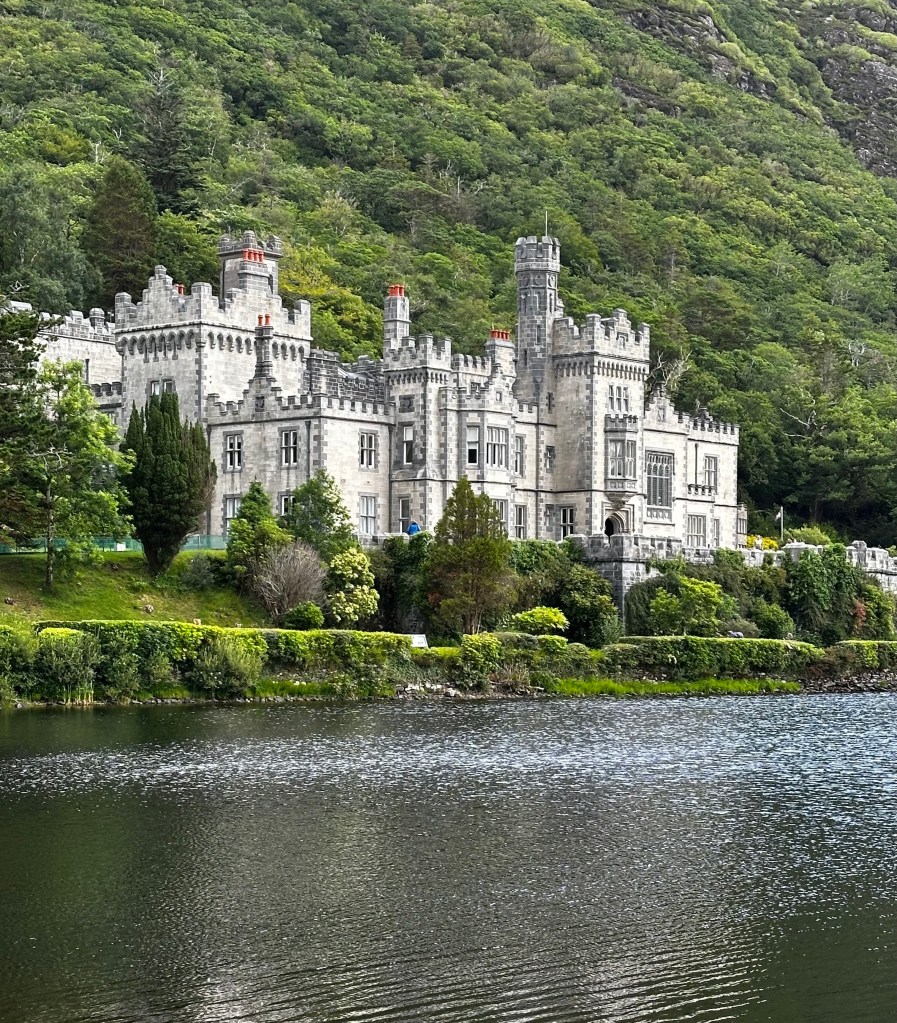
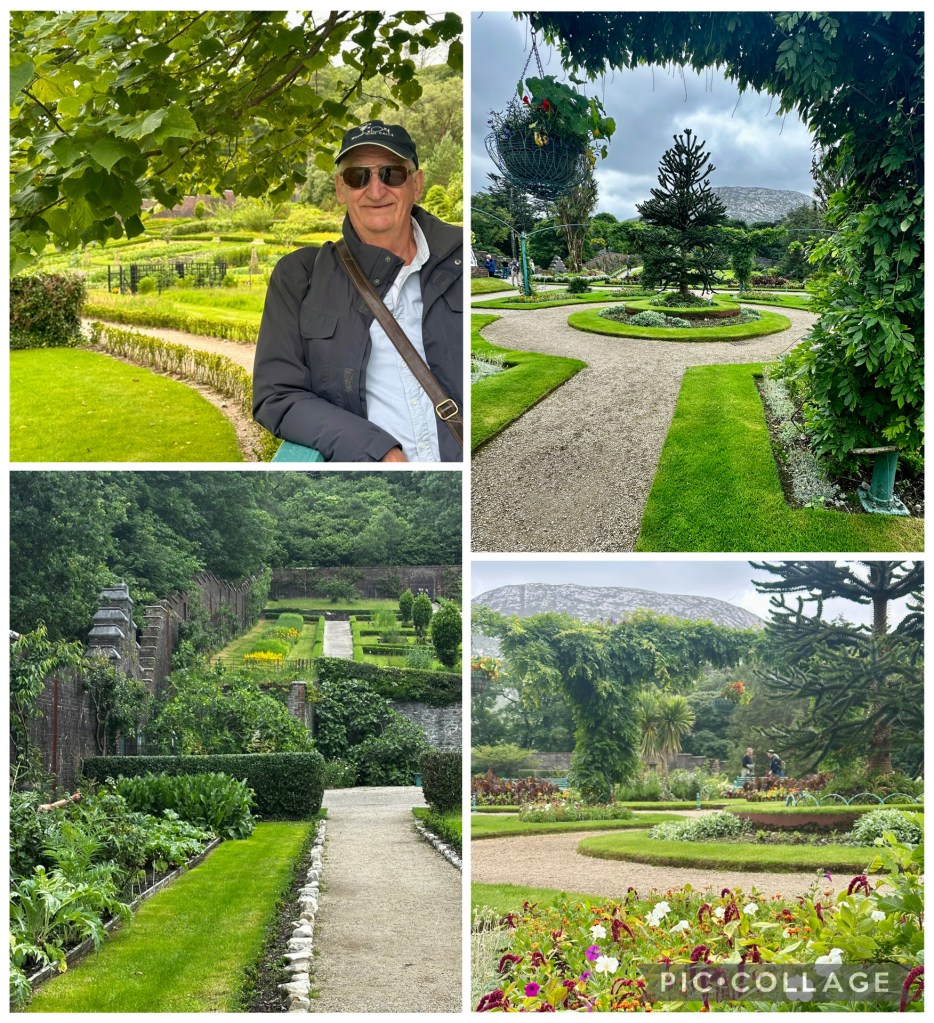
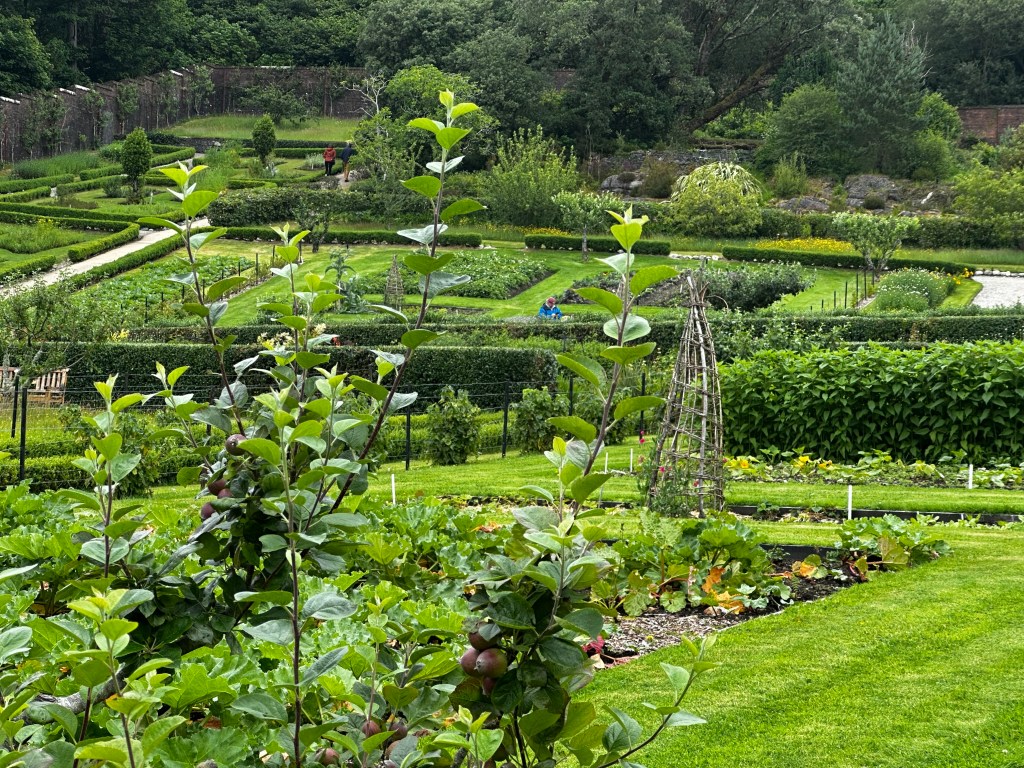
Kylemore Abbey is a Benedictine Monastery founded in 1920 on the grounds of Kylemore Castle and set in 1000 acres. It was originally a private home built in 1868 located on a magnificent lake with a Gothic Chapel family mausoleum housing the bodies of the originally Henry owners and the most amazing Victorian Walled Garden.



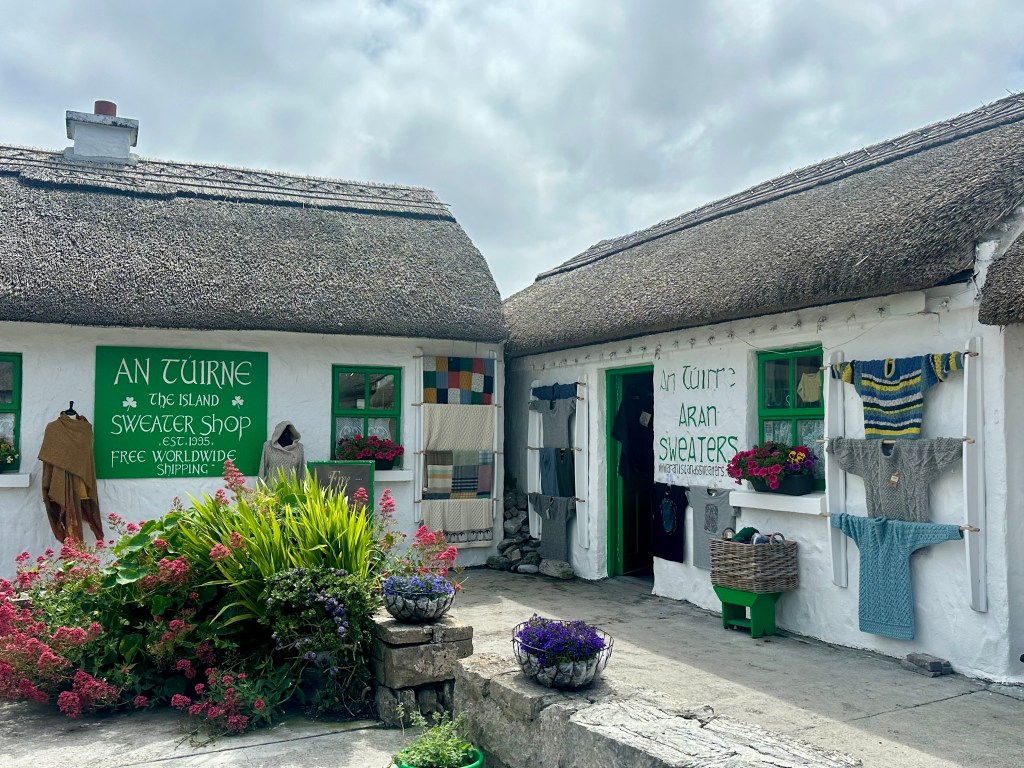
The Arran Islands comprises three islands located just off the Irish west coast and our boat called in at the largest island, Inis Mor. Innis Mor has a population of only 820 with a wealth of ancient and medieval sites and a barbaric history.
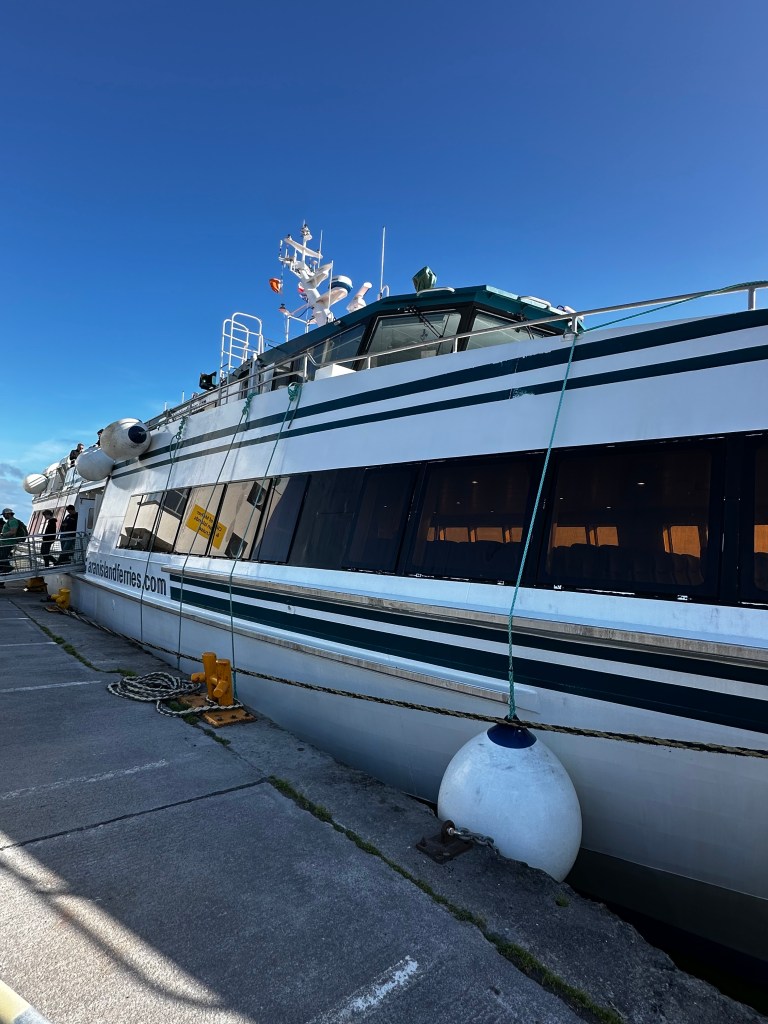
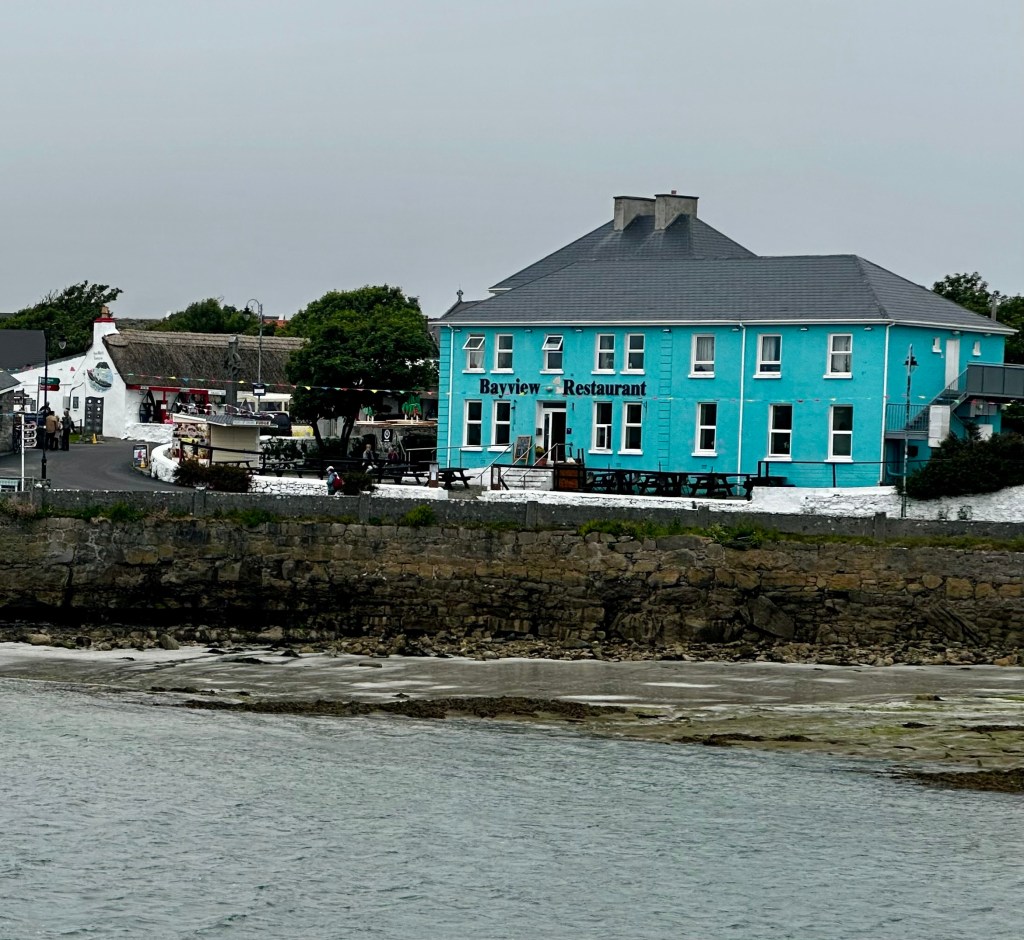
While it was not raining on the day there were very heavy swells rolling in from the North Atlantic with more than half the passengers being sick during the crossing as the boat ploughed into the waves making it hard on the crew in issuing sick bags the whole time – not a good start to the day for most of those onboard.
To see the island, we had booked an off-road tour to take us across the spine of the rugged landscape with the first part of the trip mostly in low cloud obscuring much of the landscape.

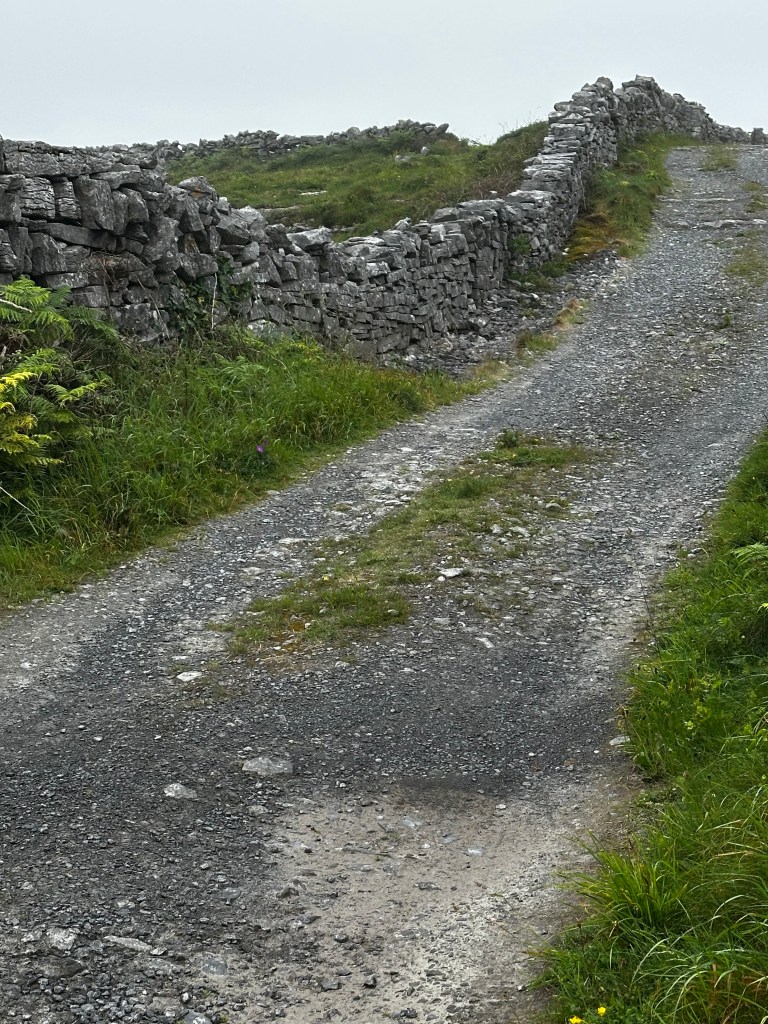


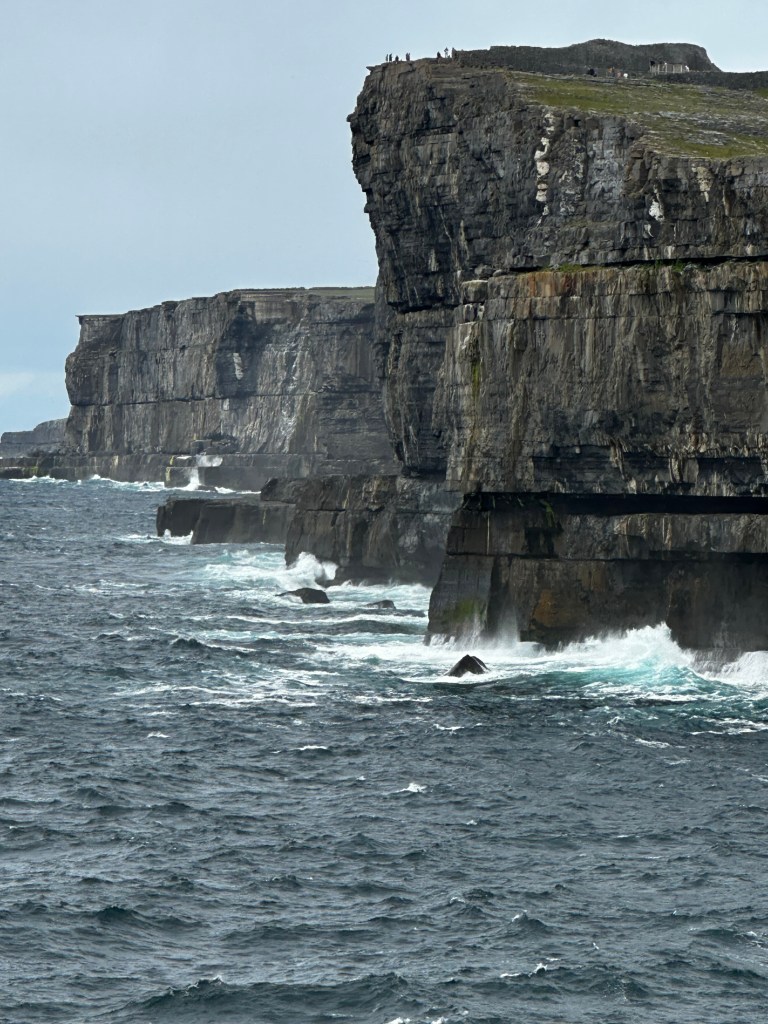
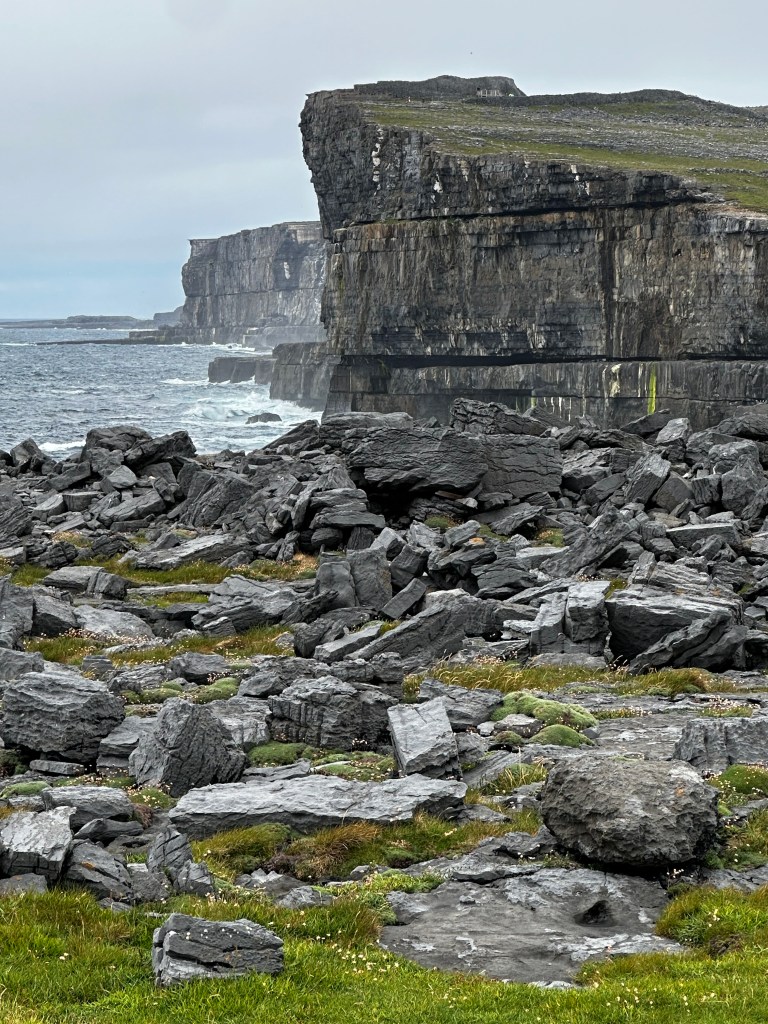
We were also able to travel through private land to visit the rugged cliff faces. Fortunately, the weather cleared as we approached the western coastline and provided amazing views of the rugged cliffs and small villages that dot the island.
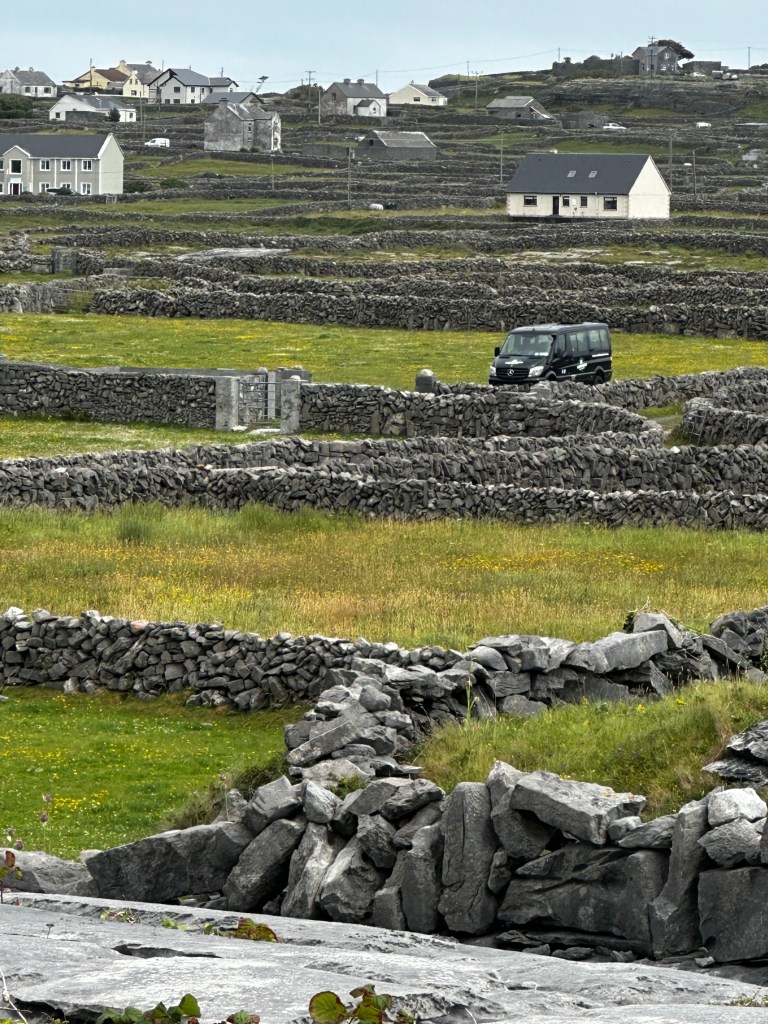

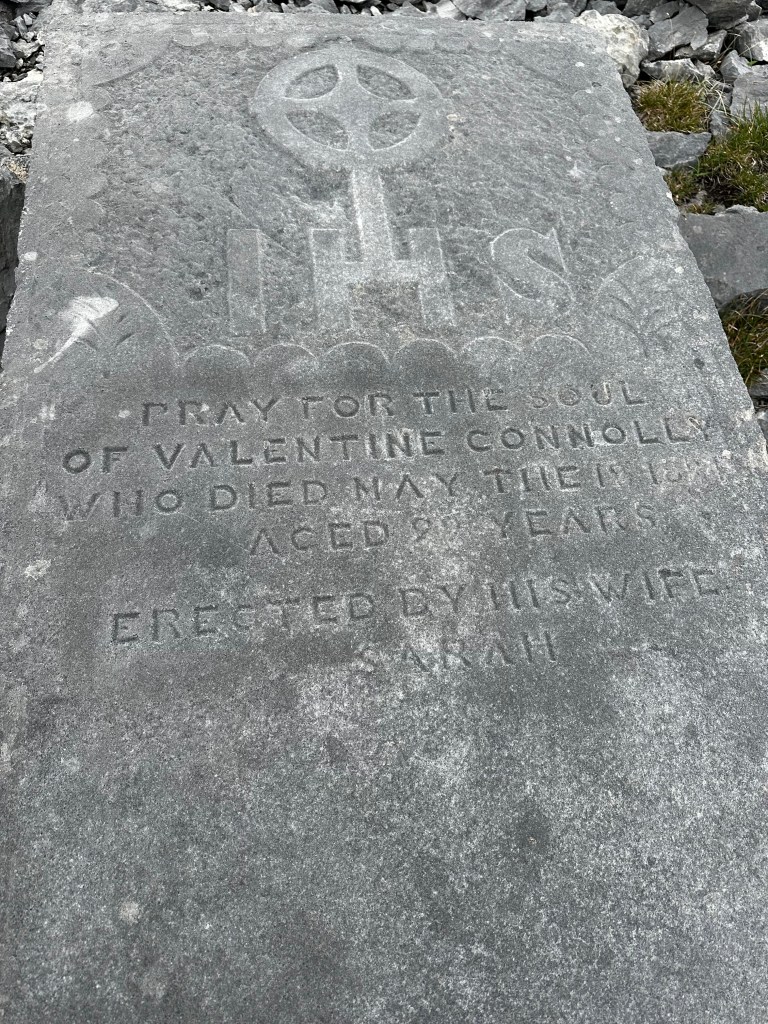
Walking across the rugged, barren landscape we came across the remnants of a past era when headestones were made out of the stone on the island – this headstone was finished but never left the island for its final destination being left abandoned on the island moonscape.

Nearby was the famous landmark, the Wormhole. The Wormhole has been the venue for the Red Bull Cliff Diving Series for several years although I am not sure why anyone would risk serious injury or worse diving into it. More interestingly, the cliff face is not guarded or fenced off so you can look down from the very edge of the cliff which was very disconcerting with the strong winds.



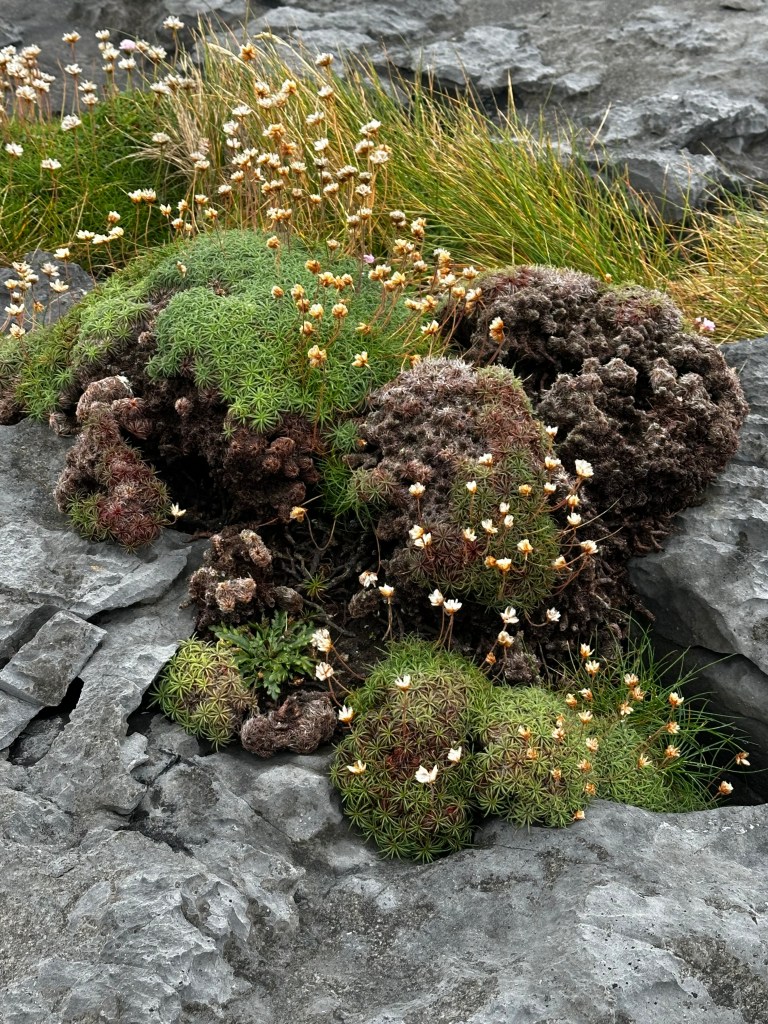
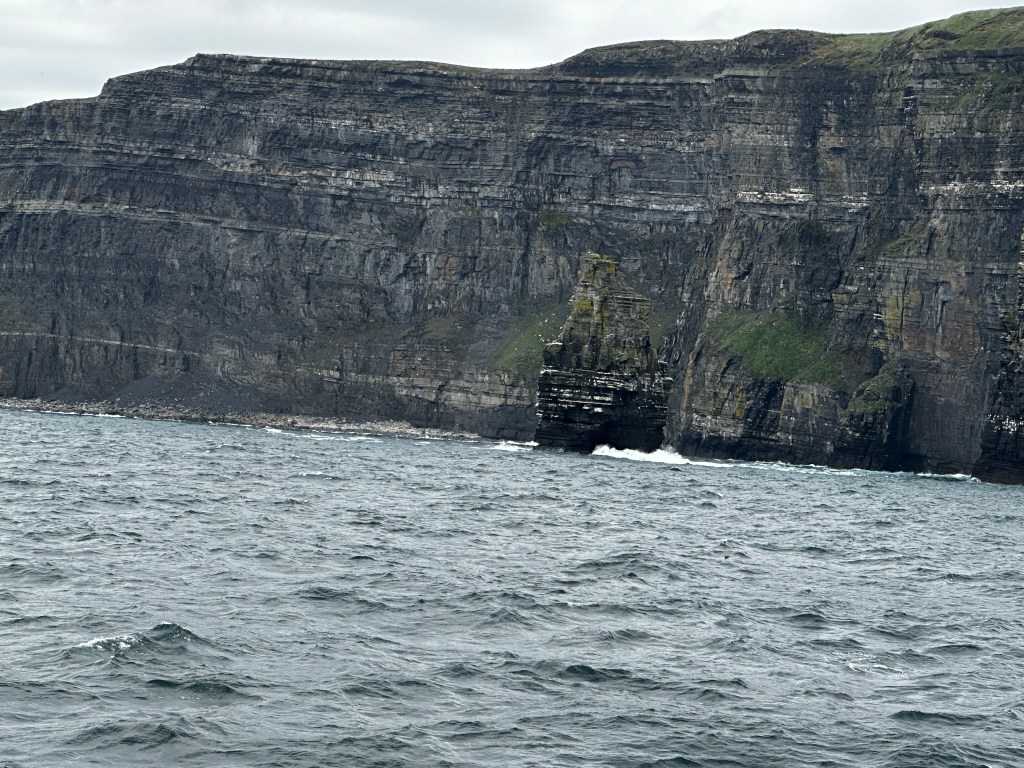
After touring the island, we caught the afternoon boat back to Galway. On the way back it travelled down to the southern end of the Cliffs of Moher and then turned northwards and hugged the base of the cliffs all the way up. I was in my element to finally see these magnificent cliffs but with the giant swells again being present, the same cannot be said for a lot of the passengers as well as Pauline who was not enjoying the trip back at all.


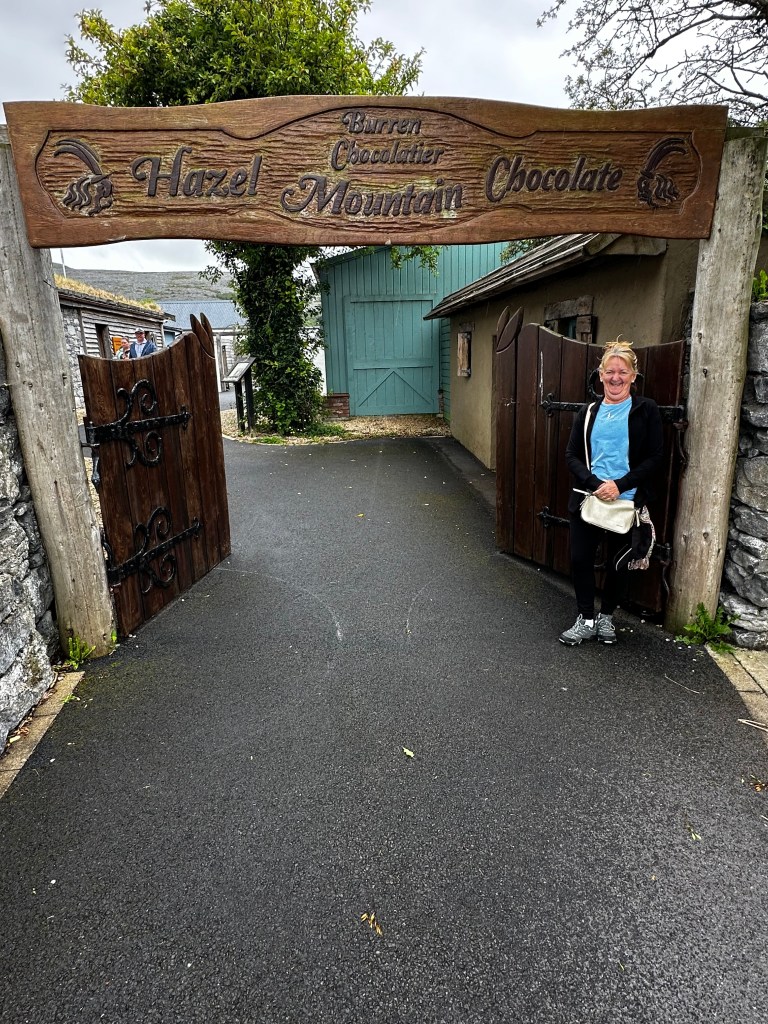
The next day we headed for our next stop Doolin but on the way we headed off the main road to find the Hazel Mountain Chocolatier shop located along a narrow country road. At the shop they make their own chocolate and are quite happy to provide you with tasting samples such as their “sheep ” chocolate while you watch them – not hard to stay here for a while having coffee and enjoying the samples.

Doolin is a small village on the west coast and is well known as the traditional music capital of Ireland with its wonderful Irish folk music. It is also located just north of the Cliffs of Moher with its main street, Fisher Street having colourful thatched cottages and houses that have made it one of the most photographed streets in Ireland.

On the opposite side of Fisher Street is a fantastic little golf course with the Cliffs of Moher as its backdrop – I am sure to come back and play the course in the future and enjoy the magnificent setting.

We had booked into a B&B in Doolin located near two traditional Irish pubs but drove direct to the Cliffs of Moher prior to checking in.
These days to visit the Cliffs of Moher you must book a timeslot in advance with the area now fenced off compared to when the cliffs were in a natural state and you could walk along the cliff face from Doolin – tourism had caught up with them as in most tourist locations now.
With the day starting off cloudy I was concerned that even though I had seen the cliffs from the sea the day before, I was not going to see them from the cliff face. However, as we arrived the skies cleared and showed off the cliffs in all their glory so we could take our photos and embrace the wonderful view. I could not have asked any more of the Irish weather gods and left there extremely happy.

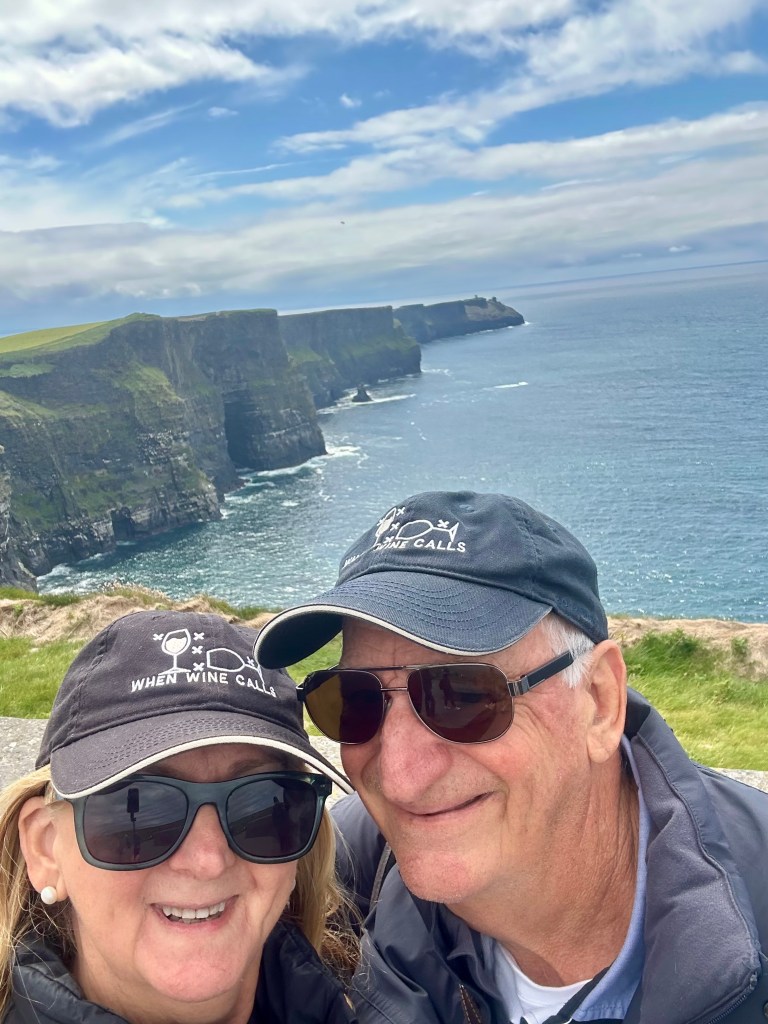

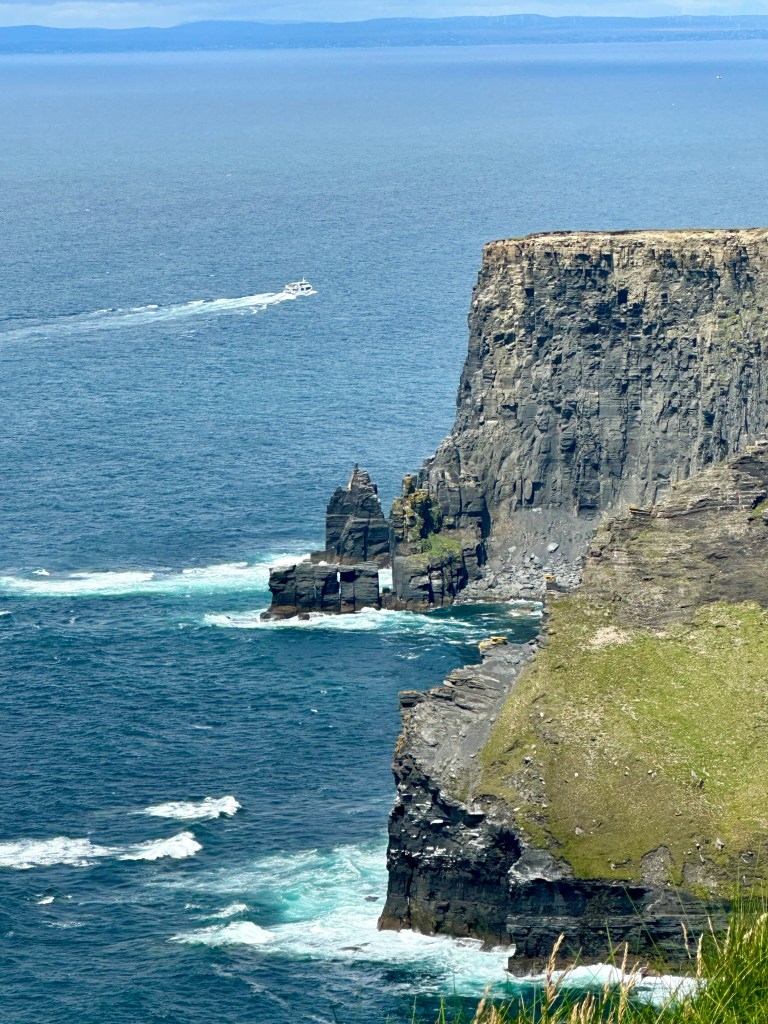
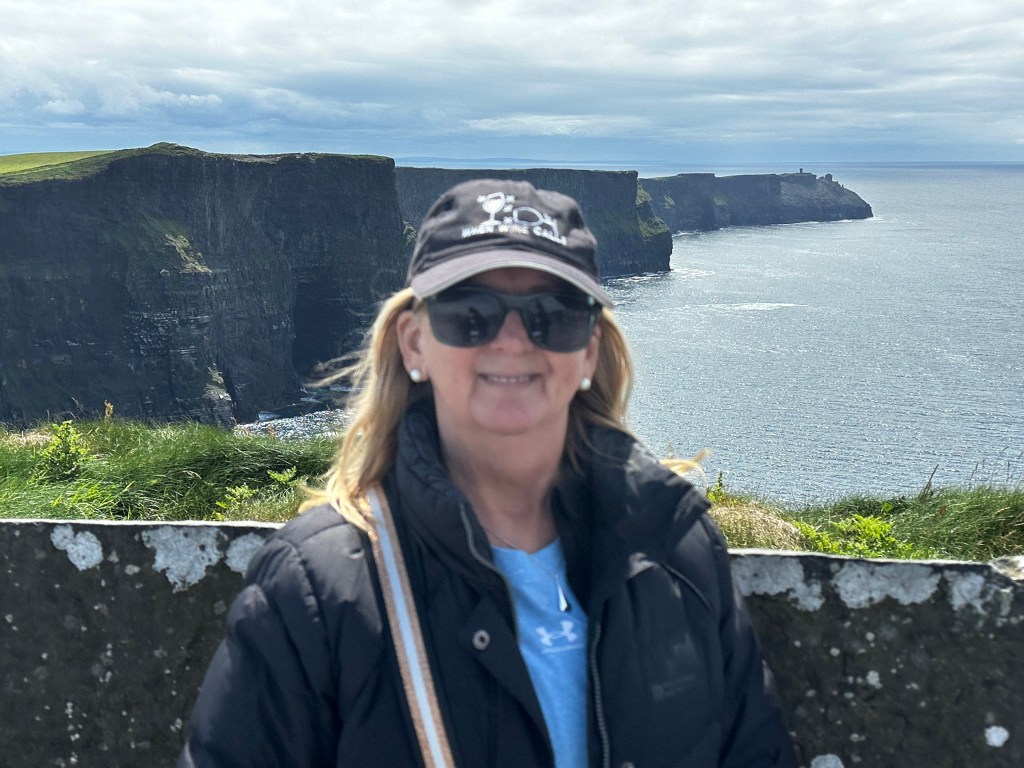

The weather for the remainder of our time in Ireland proved problematic at best so we were very fortunate on this day.
After such an exciting afternoon at the Cliffs of Moher we checked into our B&B, cleaned up and walked down the road for dinner at the famous McDermott’s Pub where we met a great Irish couple who ended up joining our table for some lovely conversation while listening to a wonderful Irish band.
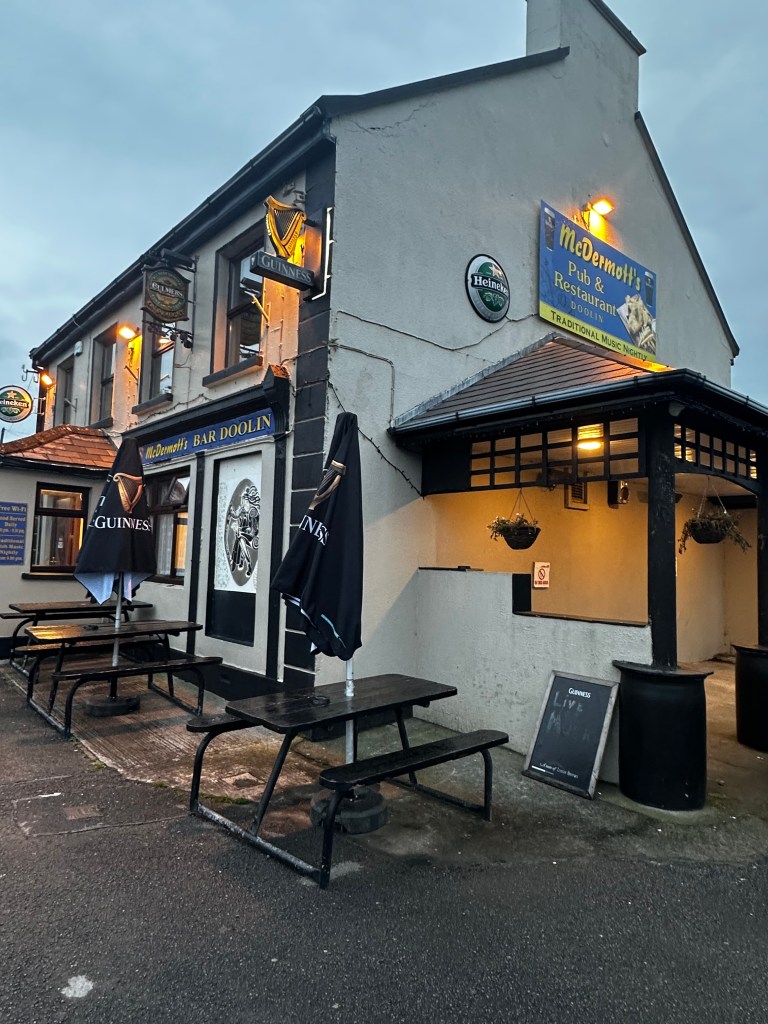
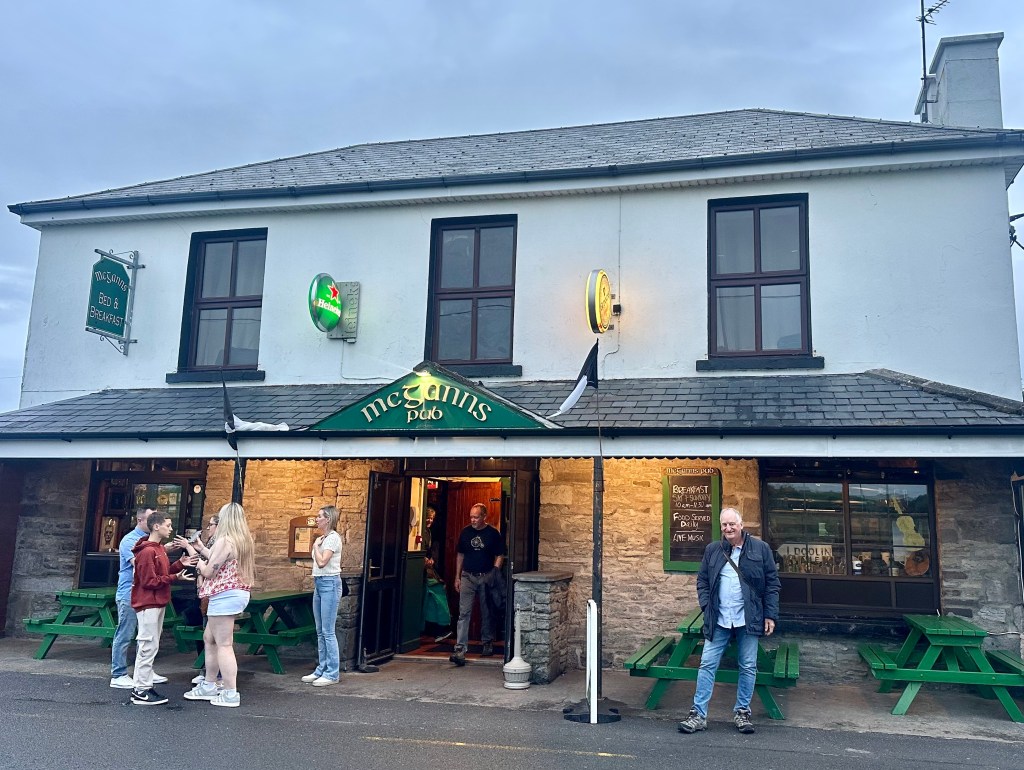
We were told that McGanns Pub “up the road and across the stone bridge” was where the locals go for the best music and so we headed there for a nightcap – the cosy pub was packed with everyone sitting around the musicians like in a mosh pit at a musical concert – the atmosphere was fantastic, so authentic and ensured we had a great evening.
The next day we needed to keep heading south around the west coast with our next stop Dingle. However, the first and most important stop was to find a coffee house in the town.
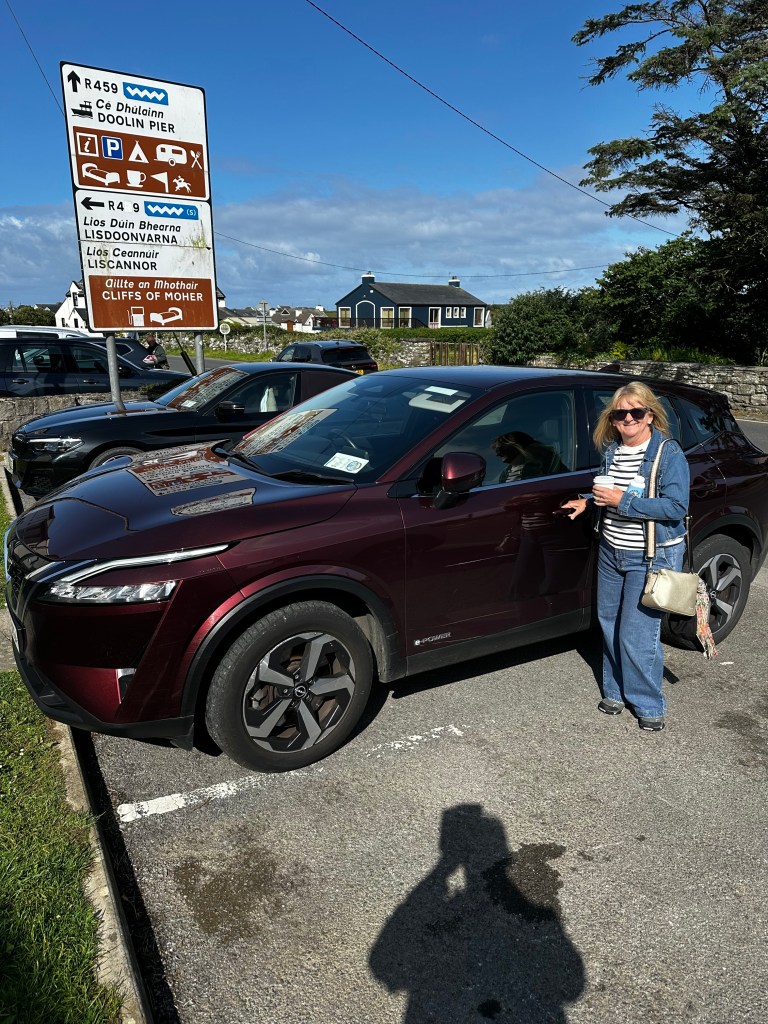
On the way to Dingle we took the route through Conor Pass, one of the highest mountain passes in Ireland with a very narrow, winding road but with magnificent scenic views. Pauline drove this day, so I was quite happy to be the navigator on this occasion.

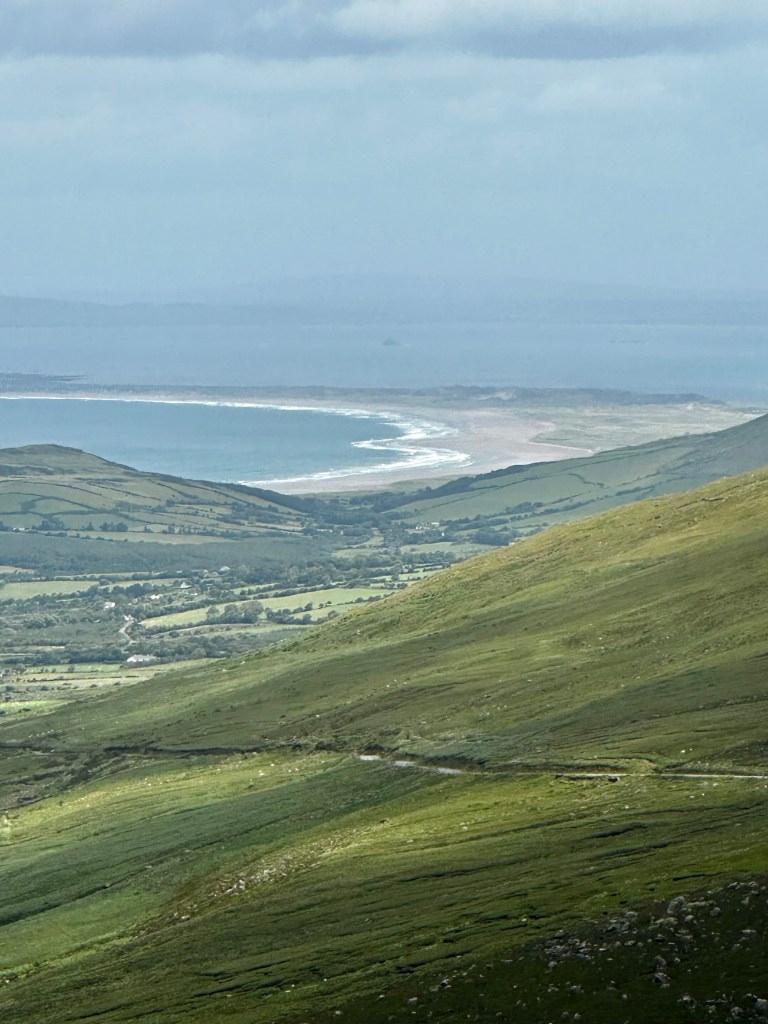
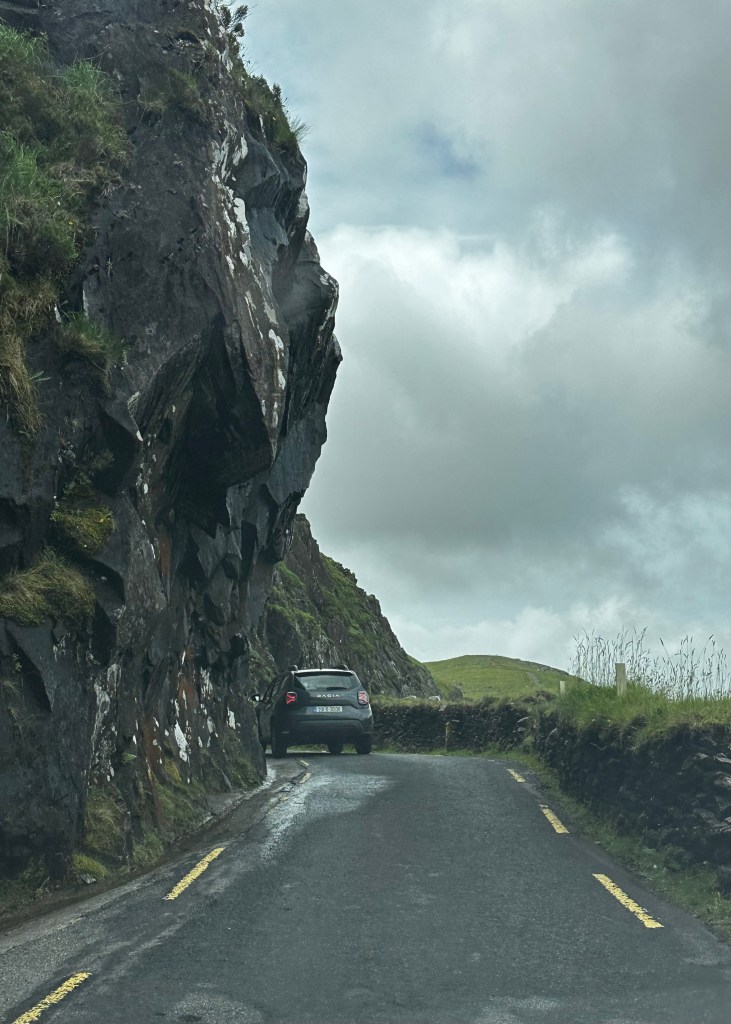

At the narrowness section on the mountain a car towing a caravan encountered a motor home coming down in the opposite direction. The result was as expected with the road completely blocked as both vehicles attempted to squeeze past each other without going over the cliff face – the driver of the caravan clearly did not read the sign at the foot of the mountain prohibiting such vehicles. Meanwhile, we parked near a waterfall in a lay area watching all the action unfold.

Dingle is a small port town on the Dingle Peninsula and famous for its hardware pubs (where you can buy a beer and hardware products at the same time).
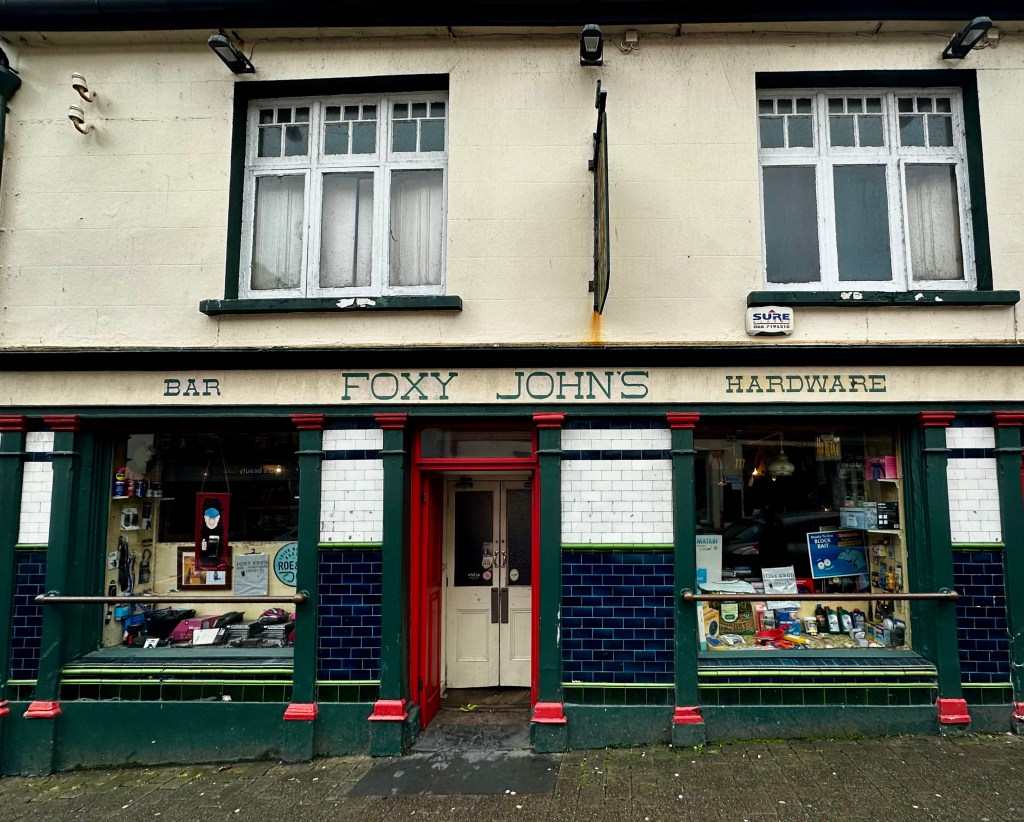
It is also the starting point for the renowned Slea Head Drive, some wonderful seafood restaurants and the quaint “The Little Cheese Shop”.
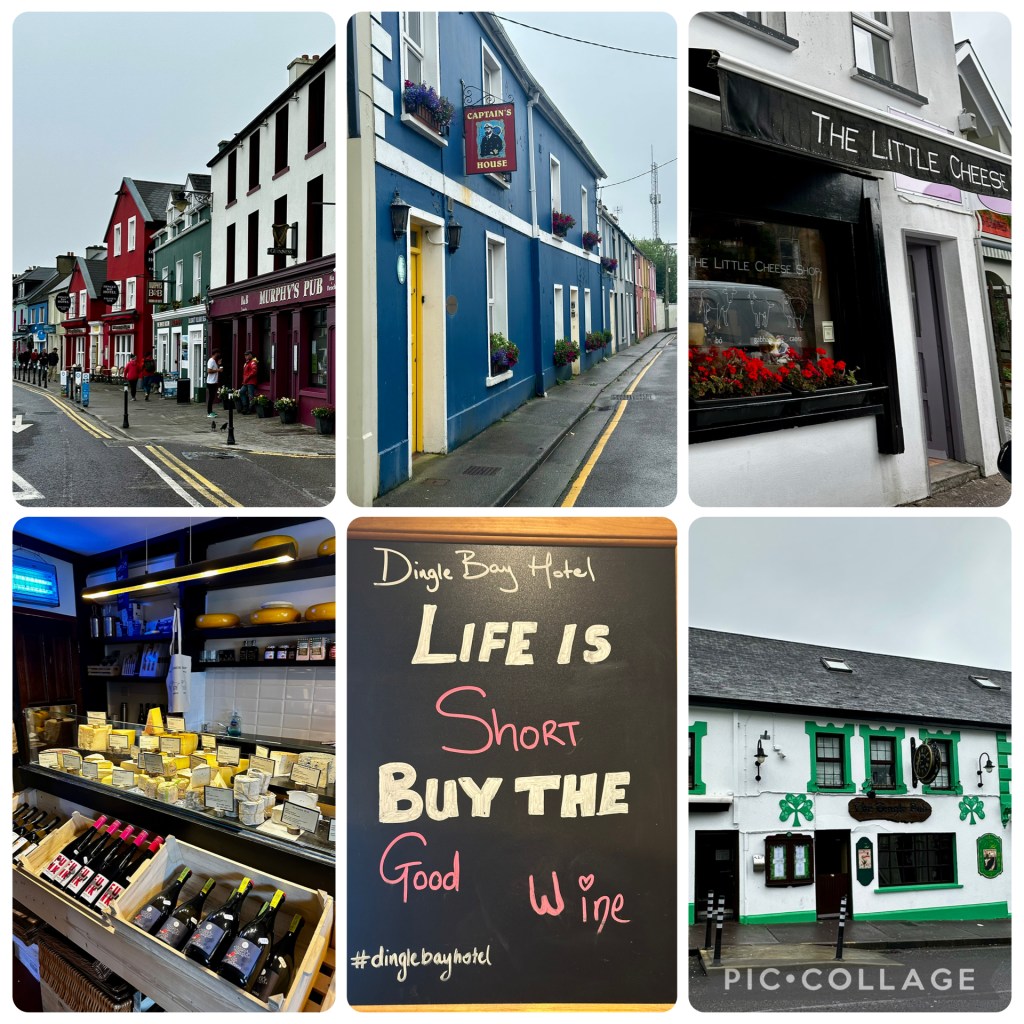
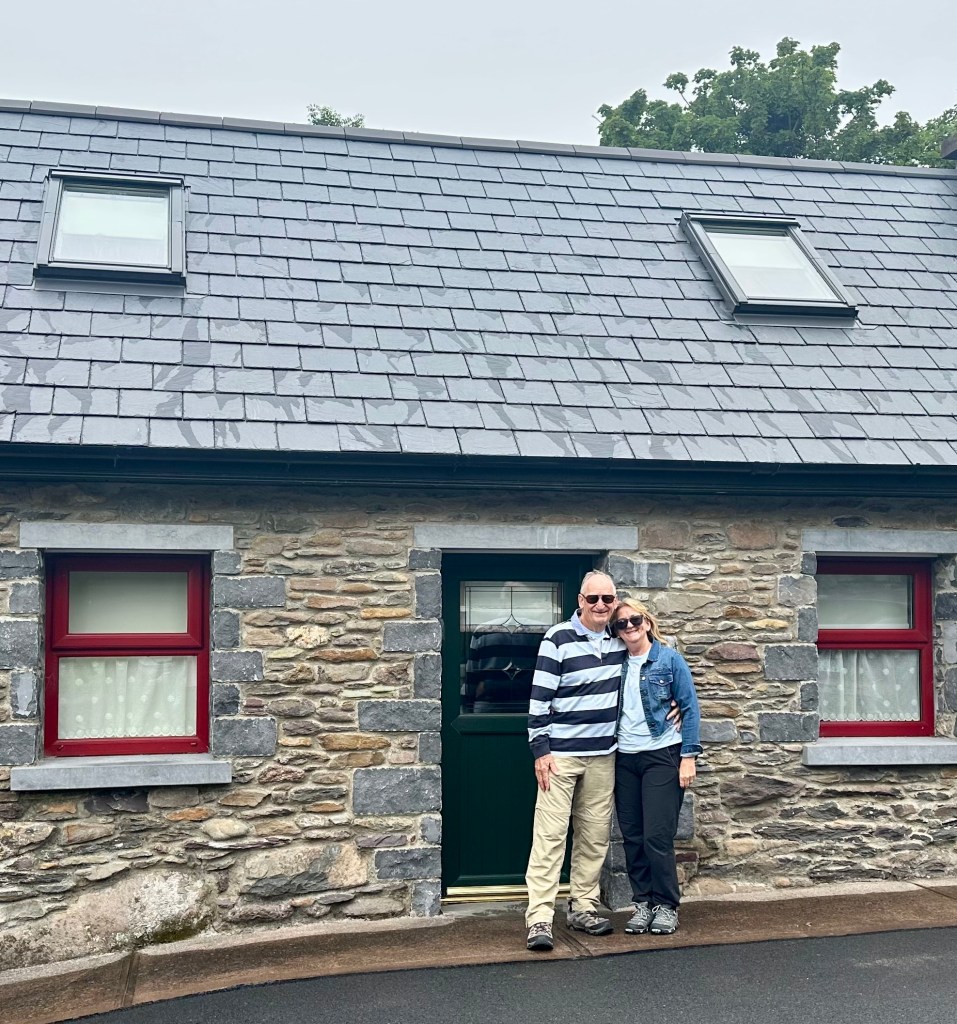
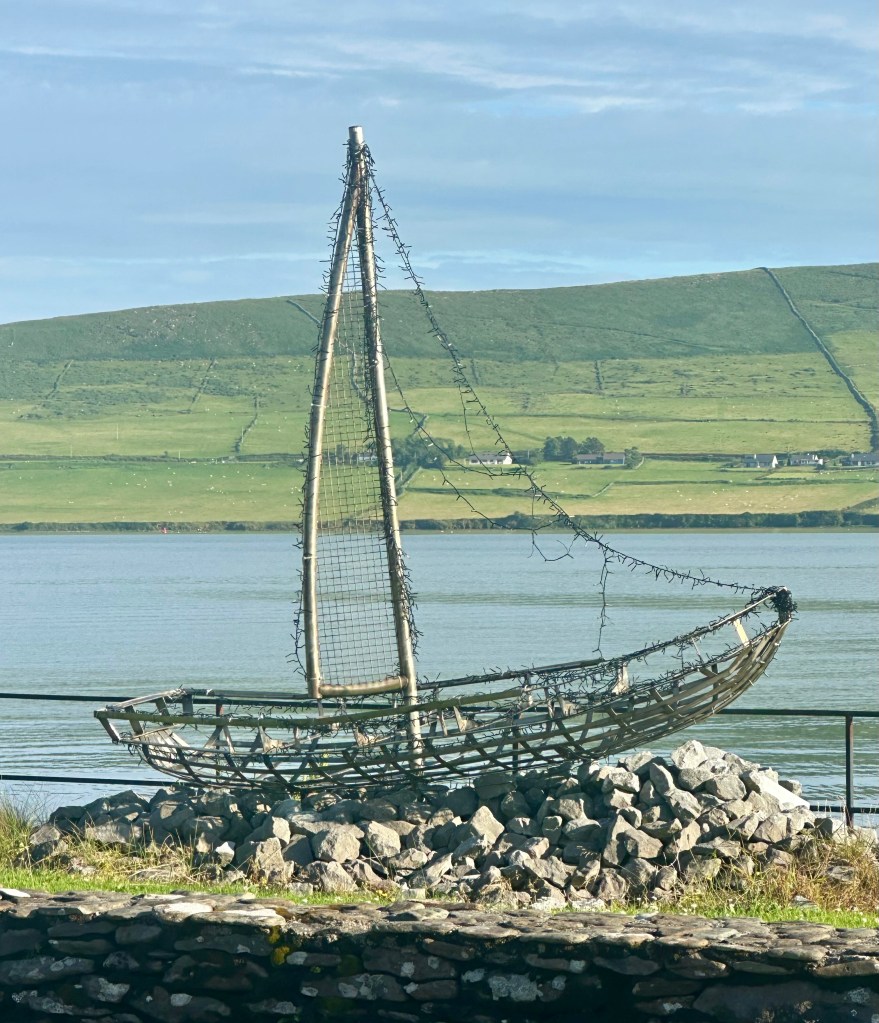
In Dingle we had booked a cottage on the outskirts of town as our “washing machine stop” with a short walk along the foreshore into town which worked well for us to not have to struggle in finding a parking spot each day.
Dingle is a town that is very popular with coach tourists with accommodation and eateries hard to get into. As we were going to be there on a weekend we pre-booked our restaurants for our stay, the first being a small place called “Out of the Blue” which had the most amazing seafood (and only seafood) on the menu as clearly stated on their sign out the front.


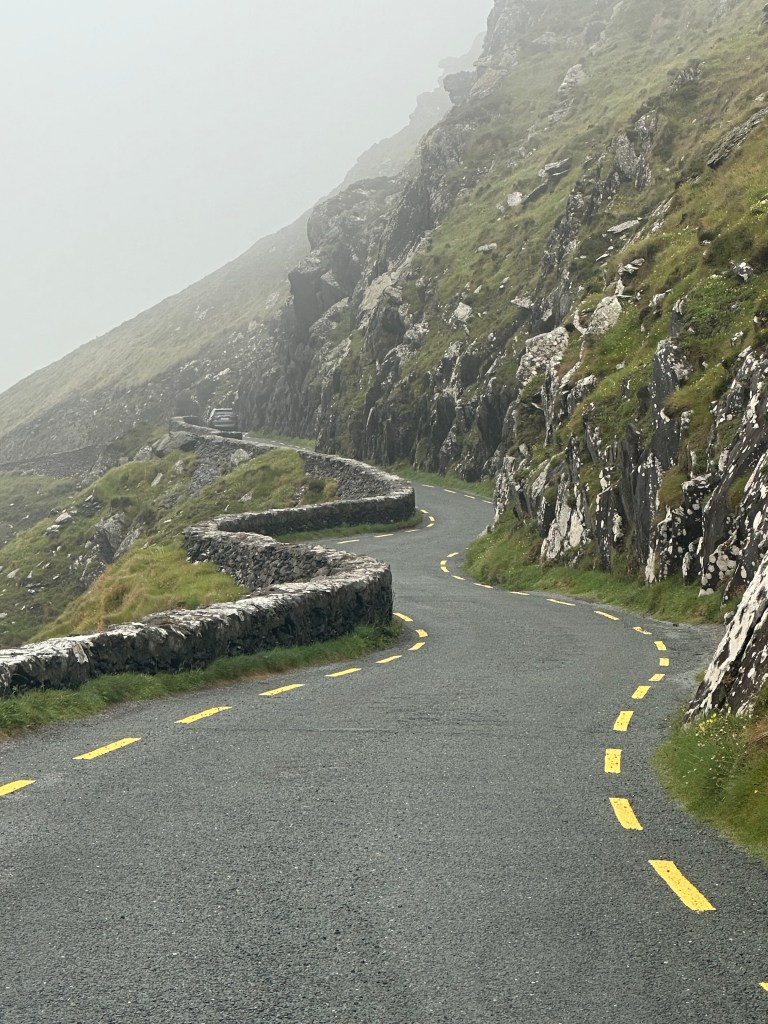
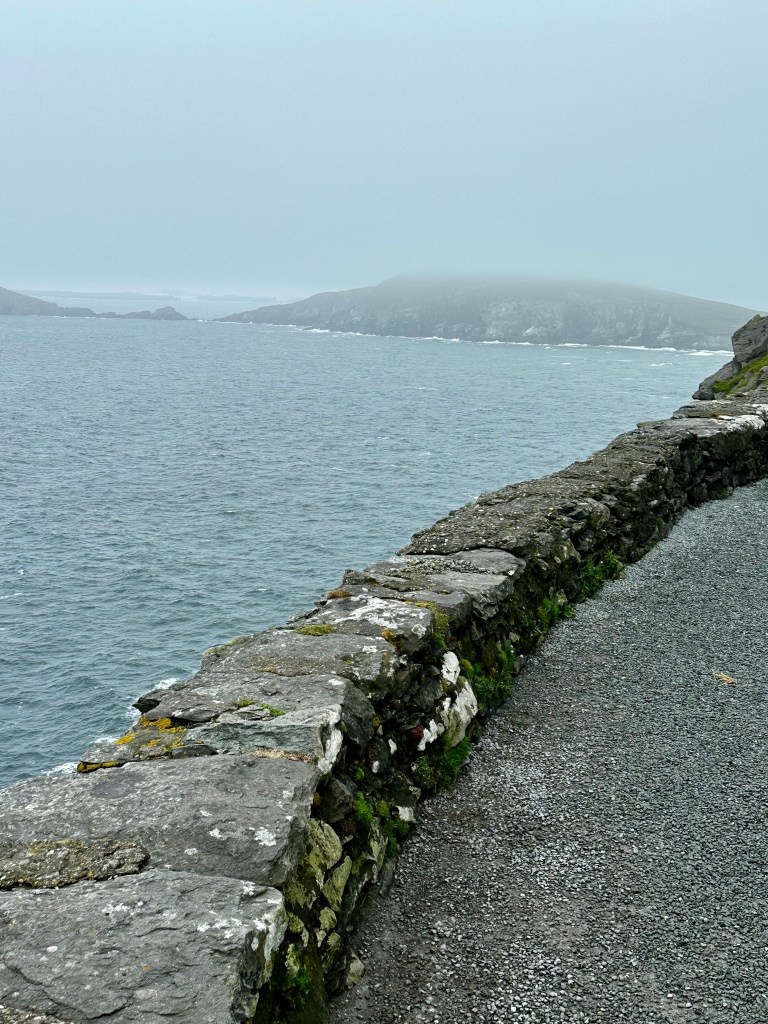
The next day we had planned to drive around the scenic Slea Head Drive where you are advised to drive anticlockwise due to a problem of getting around the numerous tourist coaches on the narrow roads. While we still drove around the route the low cloud and strong cold winds resulted in you not being able to see much of the scenery that the drive is renowned for.

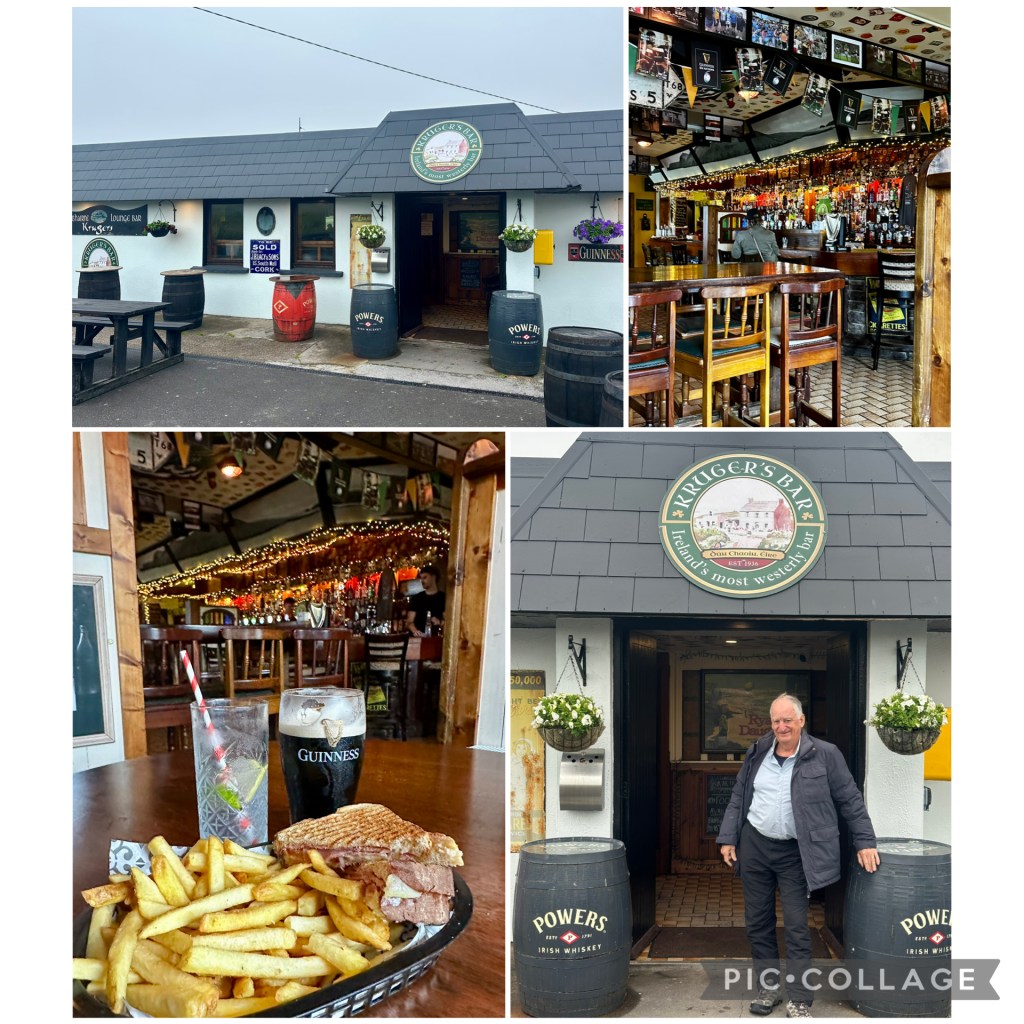
In the end we saw a sign to the “Most Western Point Pub” and given the weather we decided to call in there for lunch and a Guiness to warm up. The pub was packed when we walked in with everyone having the same idea so we found a booth in a corner out of the way.
We were excited that our son, William who was on a business trip in London decided to fly into Kerry and hire a car for the 50Km trip to Dingle to meet us for dinner. He was only going to be staying overnight and leave the next afternoon back to London, so we again headed into town.
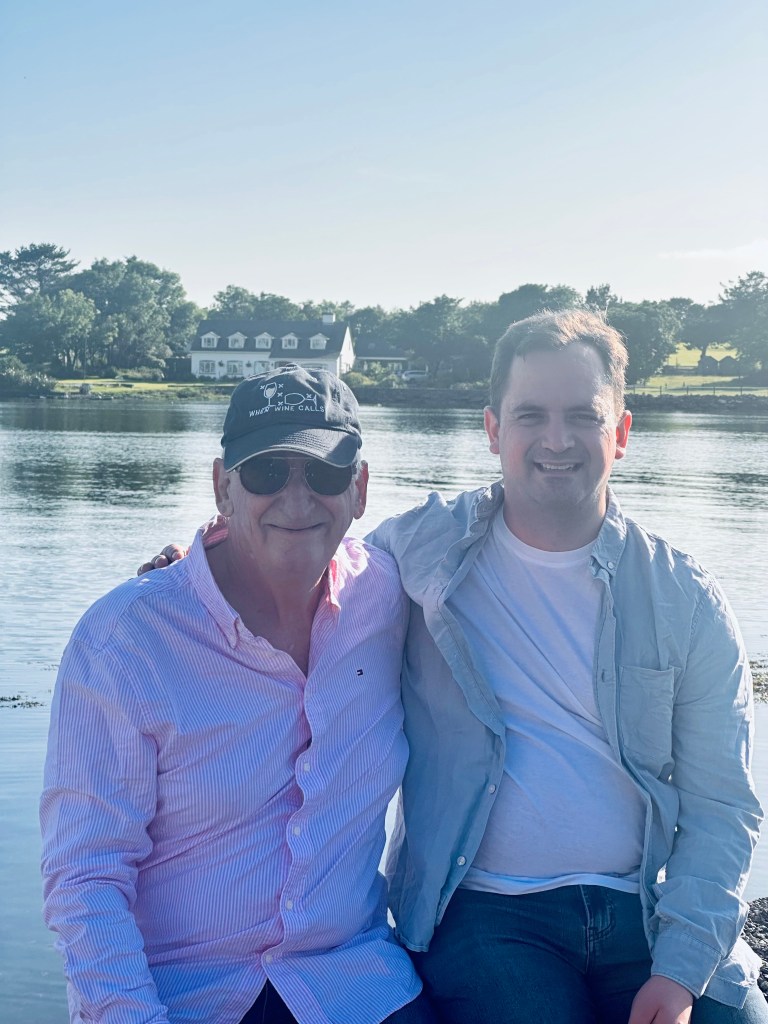
However, first stop was a pub in the main street for a pre-dinner drink.

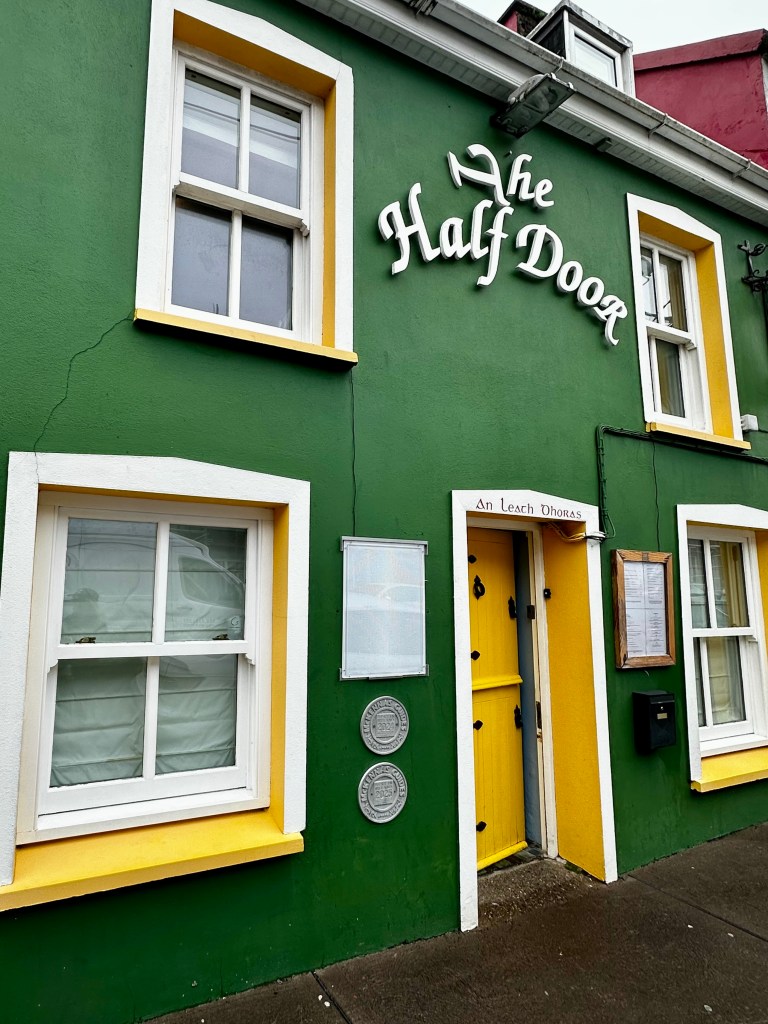
then onto a colourfully presented restaurant named “The Half Door” for dinner.
We had a great night, and the next day went sightseeing for William to see at least a small part of Ireland on the way back to the airport stopping off at Kate Kearney’s Cottage

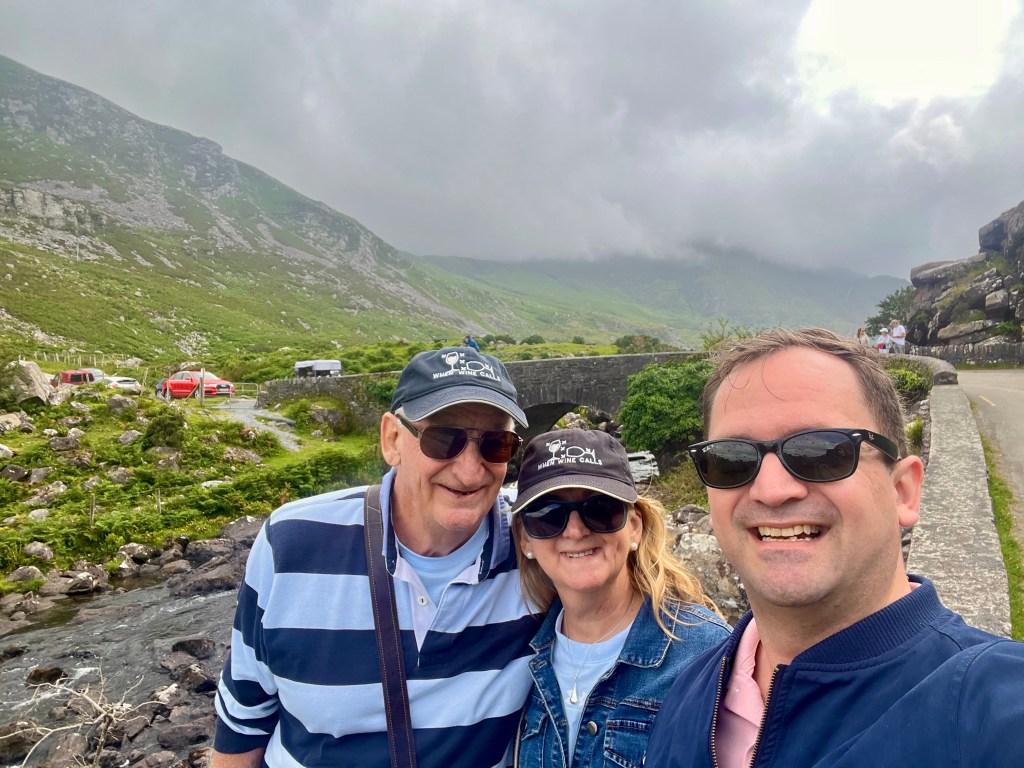
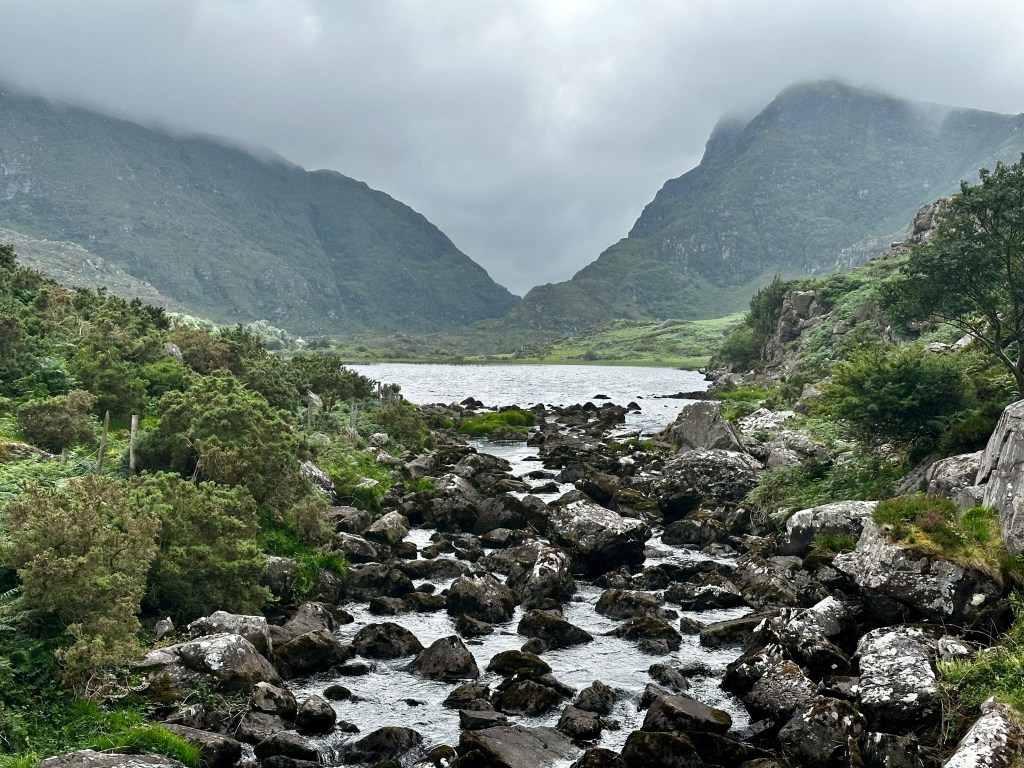
and the stunning Gap of Dunloe. At the cottage you can catch a horse driven jaunting car up to the gap, but we did not have the time for the whole route, so we walked up to the stone bridge where you get a good view of the gap and lake and then headed back to the cars.

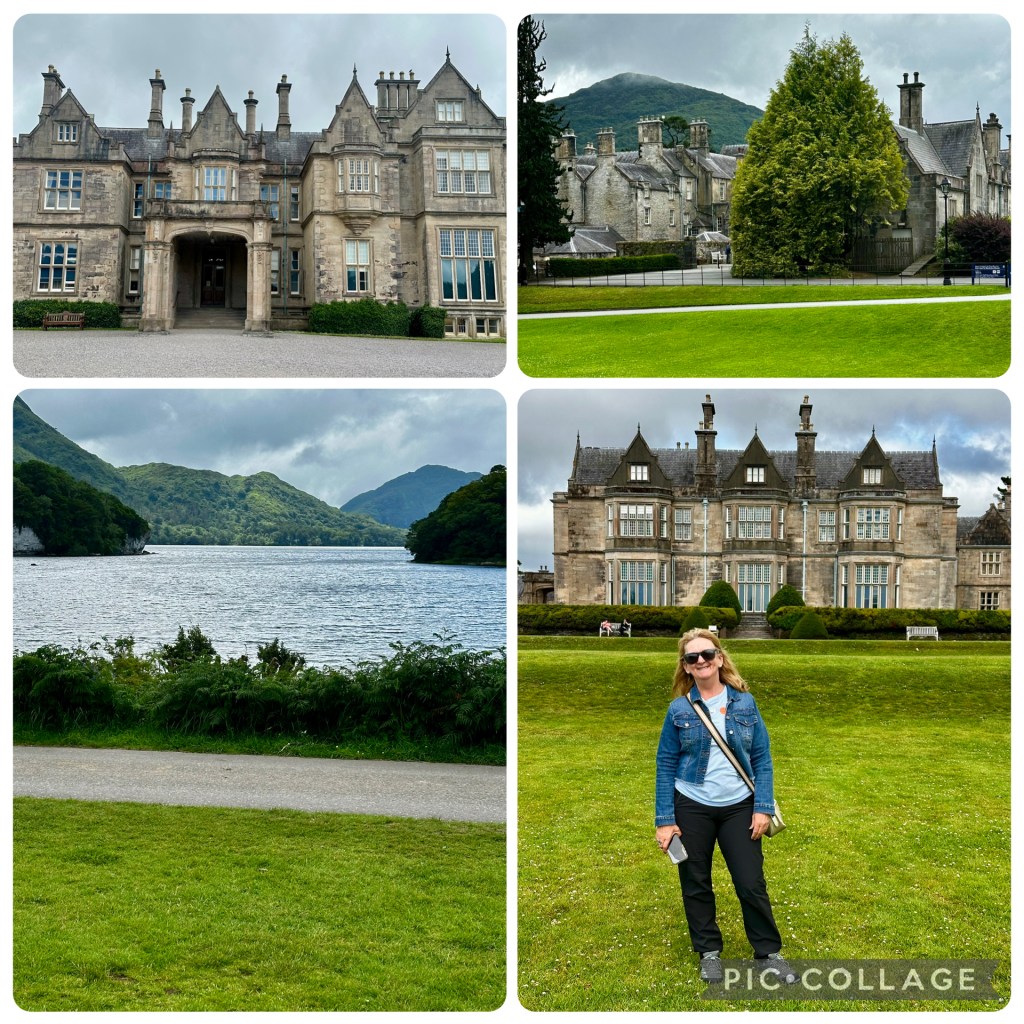
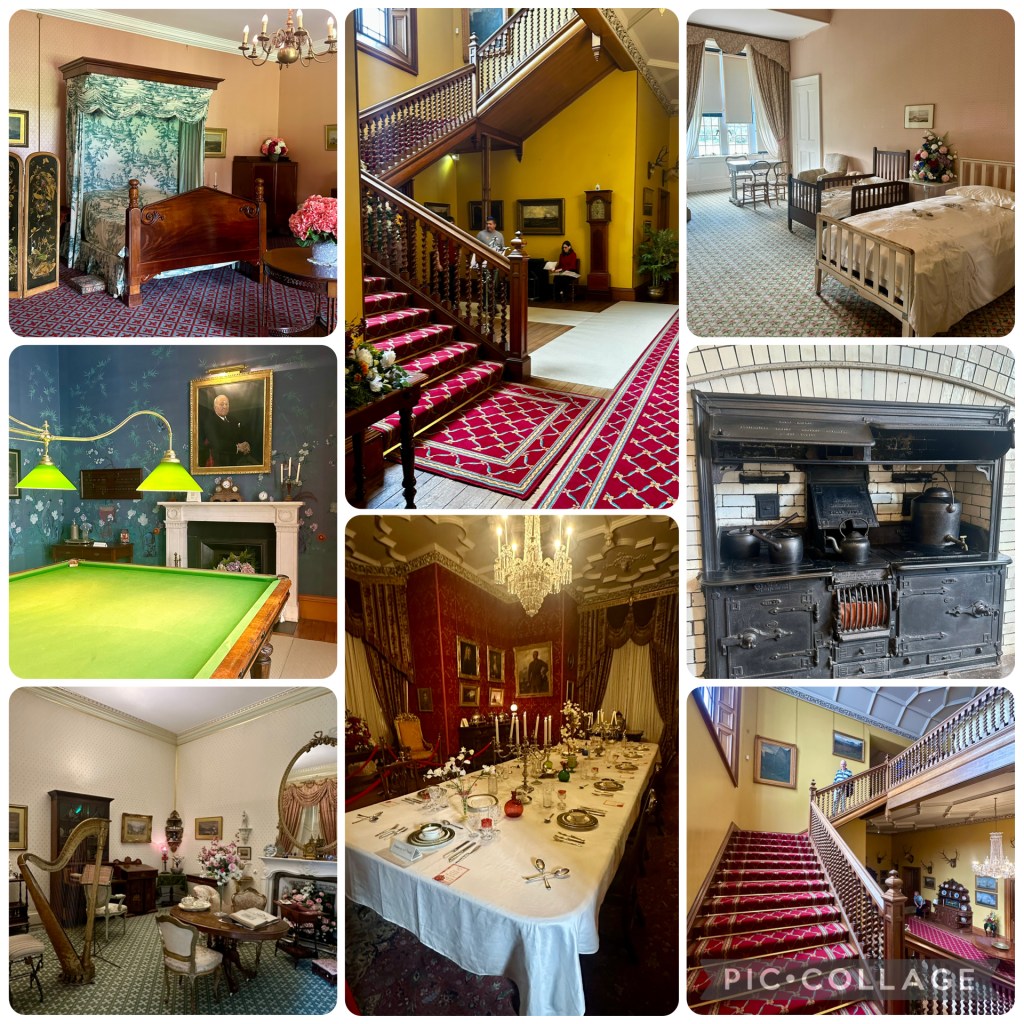
After saying goodbye to William, we headed off for a one-night stop at Kenmare, a town on the famous Ring of Kerry. On the way we visited the very impressive and preserved Muckross House and Gardens, located within Killarney National Park.
Kenmare was a one-night stopover for us, but we were planning to drive around parts of the Ring of Kerry in the morning on route to Cork. However, the weather was not great and like the Slea Head Drive we would not have seen much of the spectacular coastline in undertaking the drive so instead we visited the local highlights, the Kenmare Stone Circle and Cromwell’s Bridge before we left Kenmare.
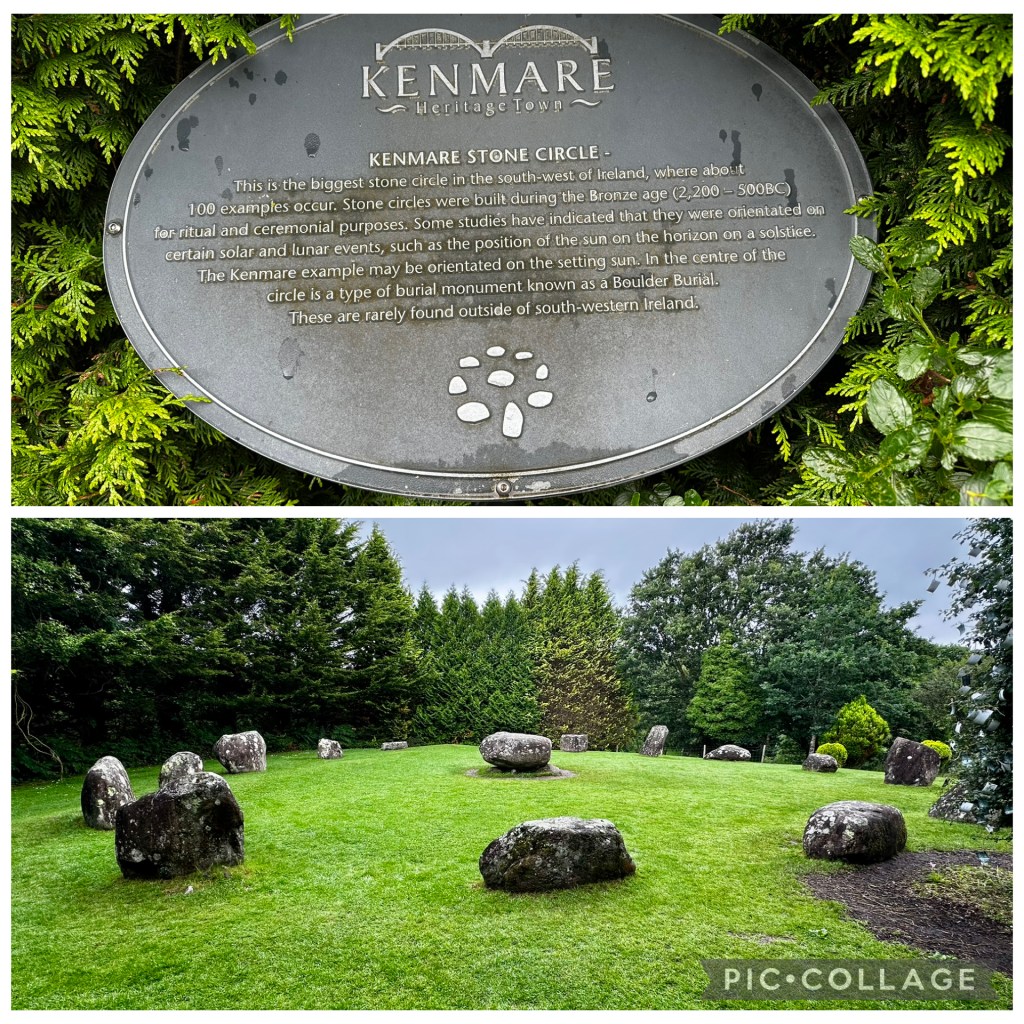
The Kenmare Stone Circle is egg shaped with the circle built during the Bronze Age (2200-500 BC) believed to be for ritual and ceremonial purposes and comprises 15 heavy boulders.
Cromwell Bridge was not connected to Oliver Cromwell unlike the bridge in Lancashire UK but dates to the 17th century and is believed to have been derived from a mispronunciation of an Irish word. It was built from local stone in a single arch style and while now surrounded by overgrown bush is still an enchanting bridge to visit.

Instead of staying at Cork we had originally intended to stay on the coast at Kinsale, about 30 minutes’ drive away. However, our daughter Portia was flying over from Australia for a wedding in the UK and had a few days to spare so arranged to fly from Paris into Cork instead of London allowing her to spend some time with us, so we change our plans. Unfortunately, we could not get the logistics to work so that William could have also joined us there but as parents you appreciate the opportunities you do get to see them at their age. We picked Portia up at Cork Airport and headed for our hotel, the Kingsley Hotel located on the edge of the city.
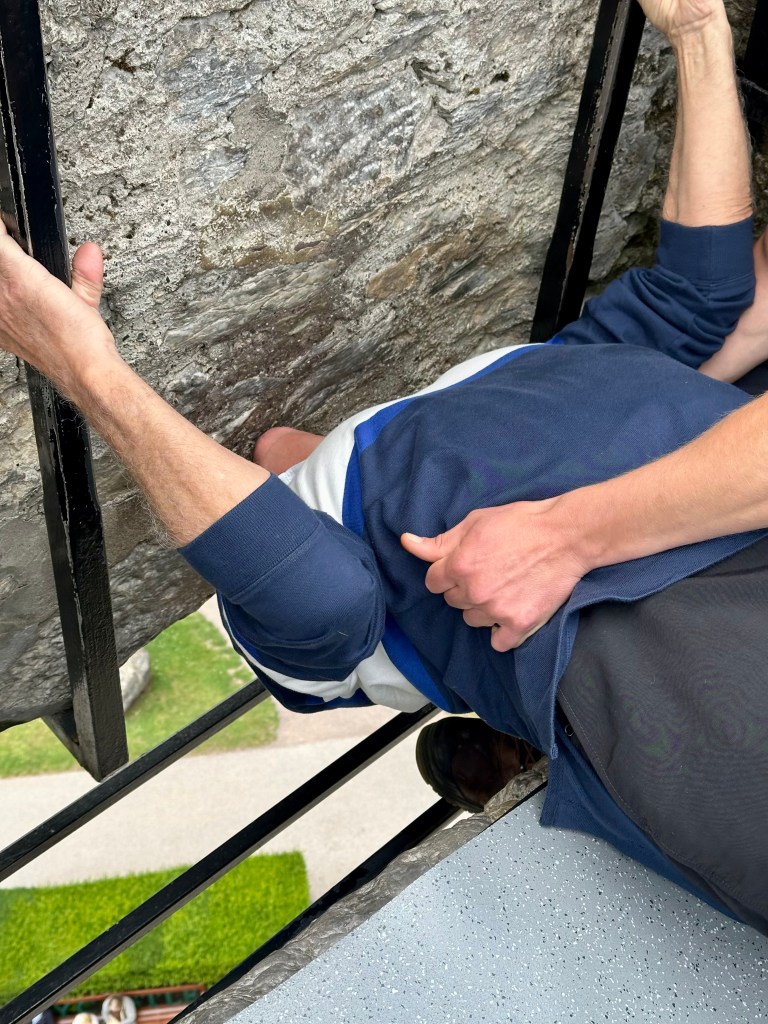
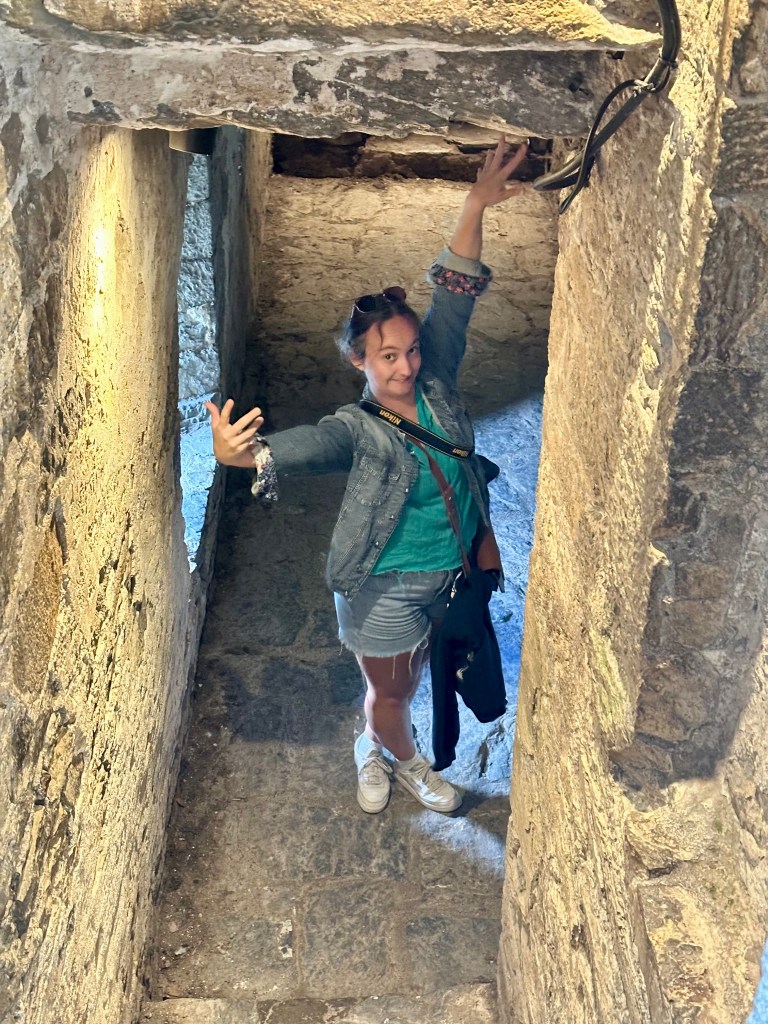
The next day we had organised to visit the famous Blarney Castle and Gardens with the opportunity to kiss the Blarney Stone located on the top of the castle.

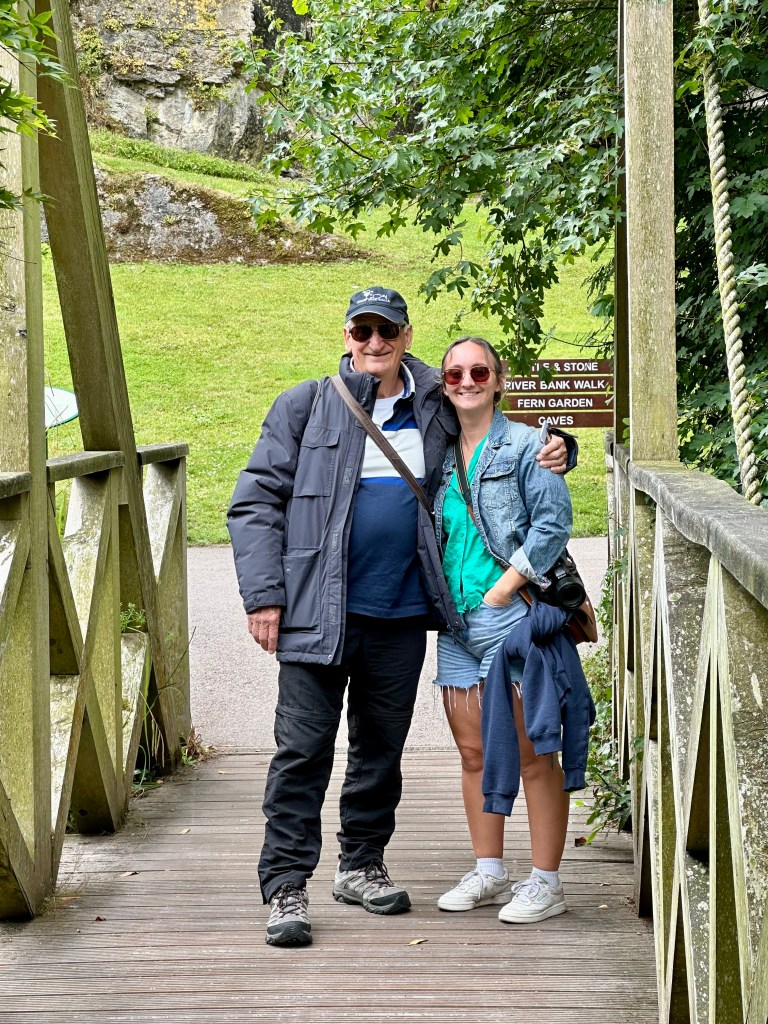
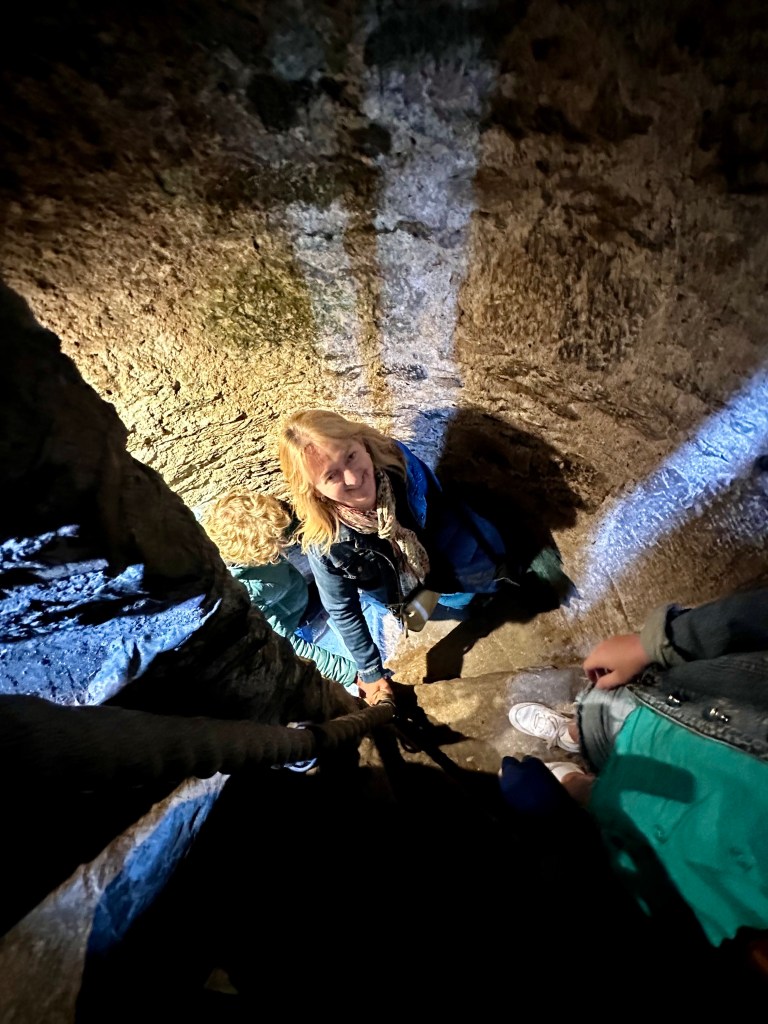
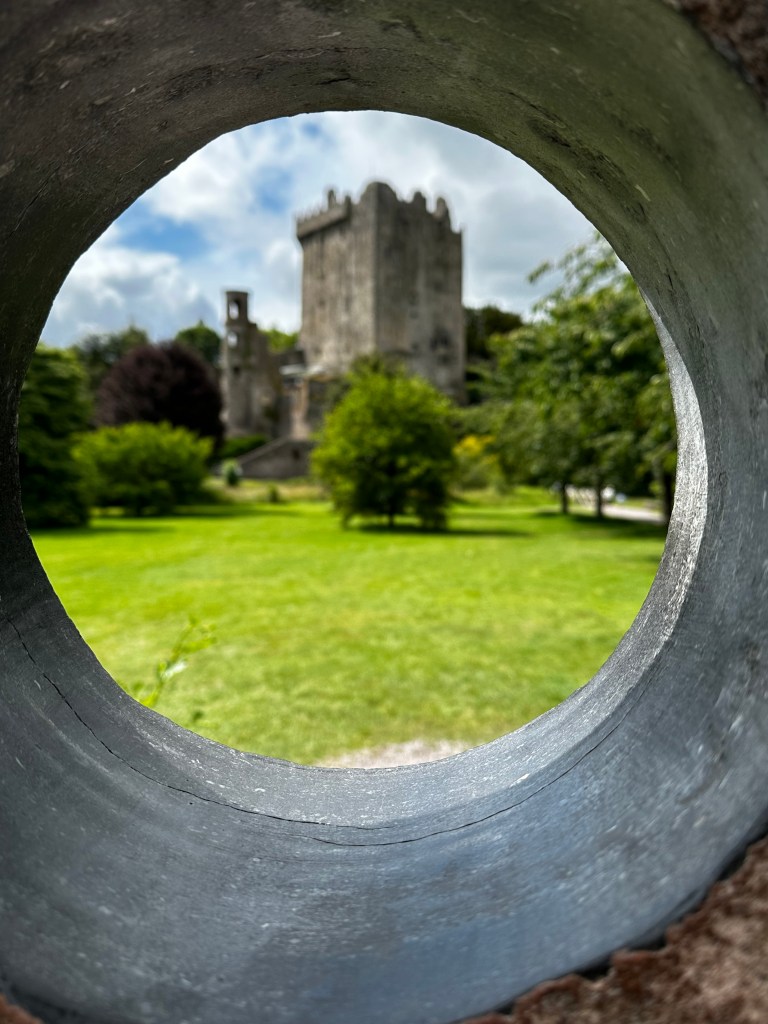
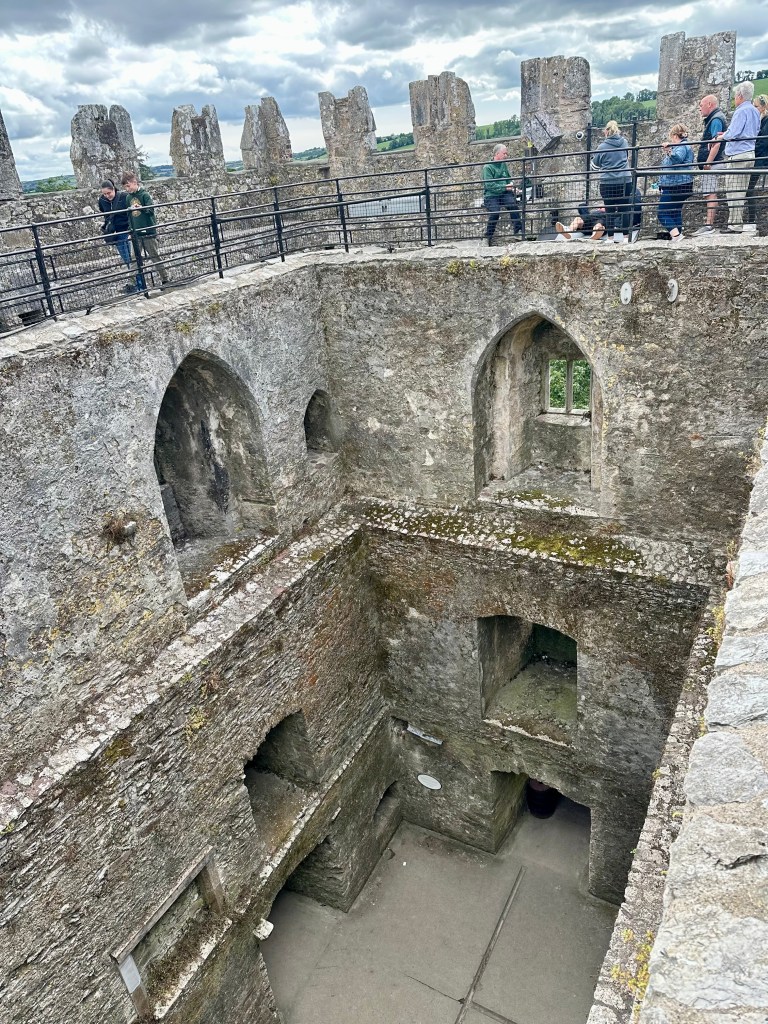
For those of you unfamiliar with the tale of the Blarney Stone according to legend, kissing the stone located at the top of the castle endows the kisser with great eloquence. There are other legends pertaining to the stone but whatever its history it creates a lot of interest with a long queue snaking its way up the turret of the castle for tourists to kiss the stone and have their picture taken. Pauline had already kissed the stone back in 1986 so declined to do a repeat while Portia had no interest, so it was just myself that did the deed and I look forward to many more years of eloquence as a result.
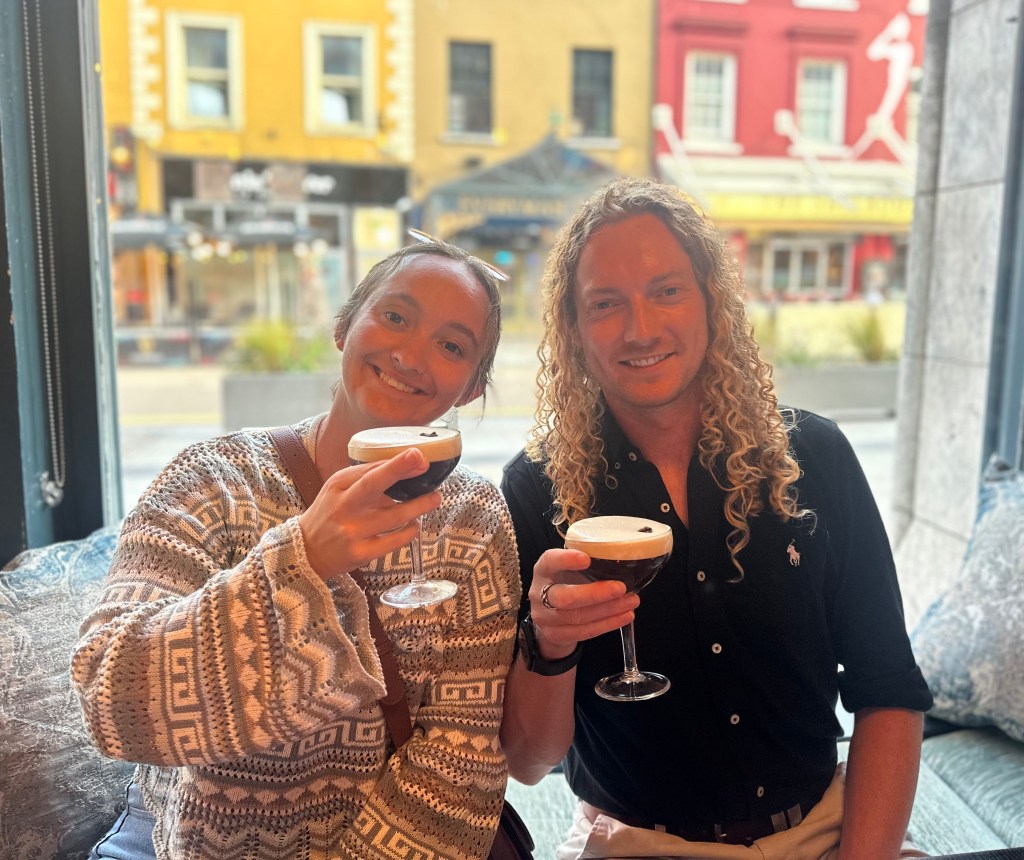
That night we caught up with one of Portia’s friends Blake that she met on an overseas trip who is now working in Cork. Blake organised to take us around some local bars and pubs, and we had a fantastic evening although we were a bit slow getting going the next morning.
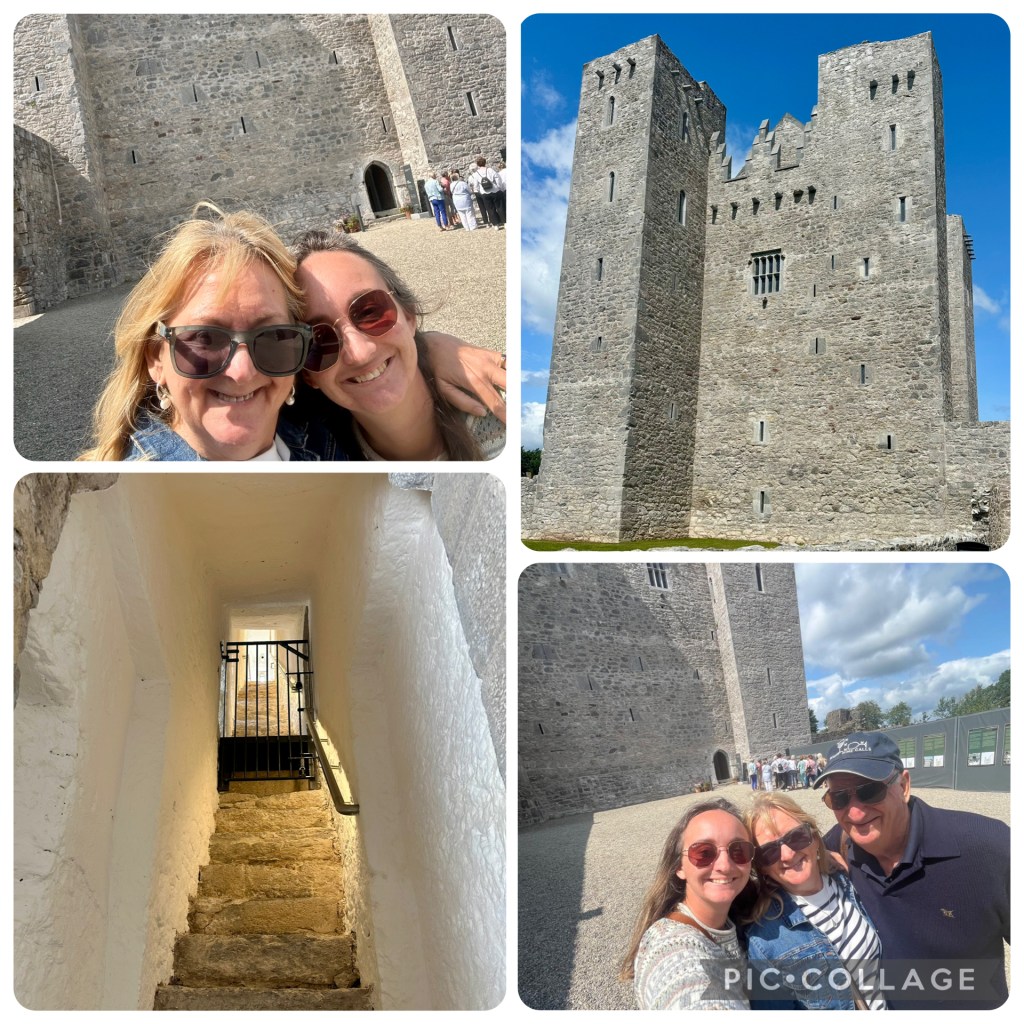
After breakfast we headed out of Cork and headed for Waterford. On the way we called in at Barryscourt Castle located just off the highway but like many tourist locations you need to pre-book a tour and we could not schedule it for while we were there.
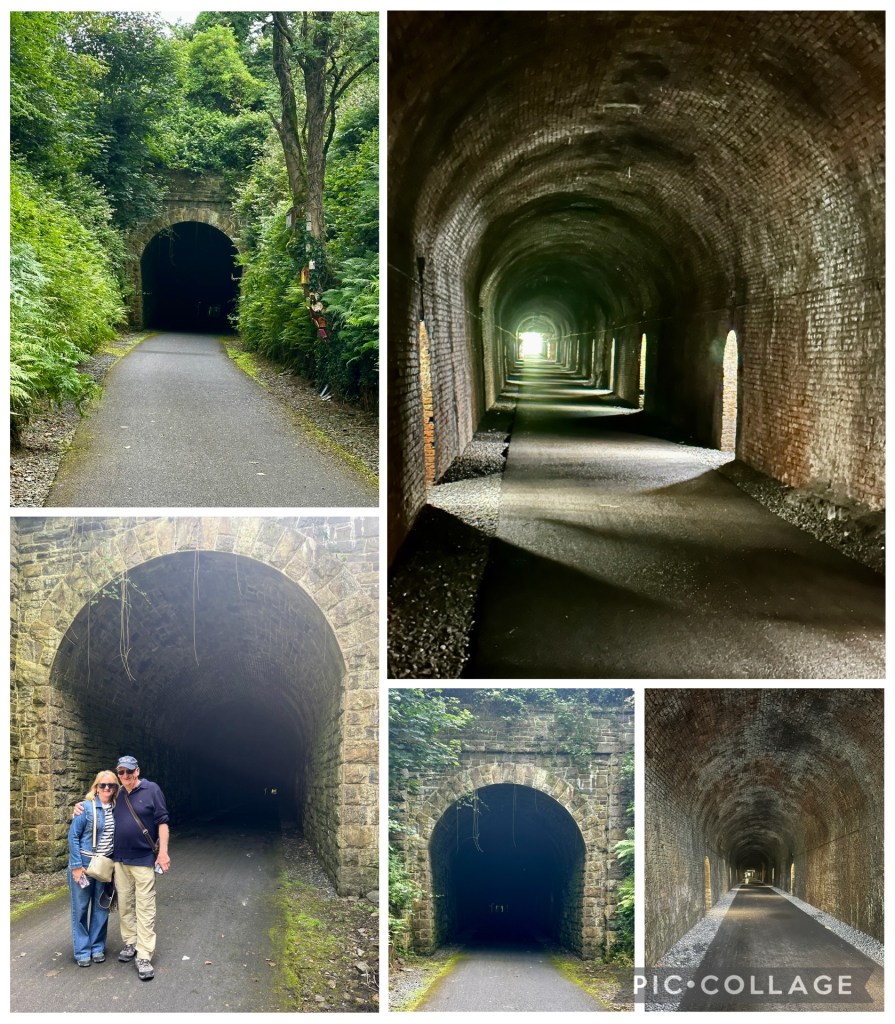
We moved on and stopped at Balleyvoyle Tunnel and nearby Durrow Viaduct. The tunnel and viaduct are part of a former Irish railway that was built in 1878. The railway is no longer operating on the line, and it has been turned into a 46 km bikeway/walkway from Waterford to Dungarvan. It was great to walk through it and see how well it had been preserved.

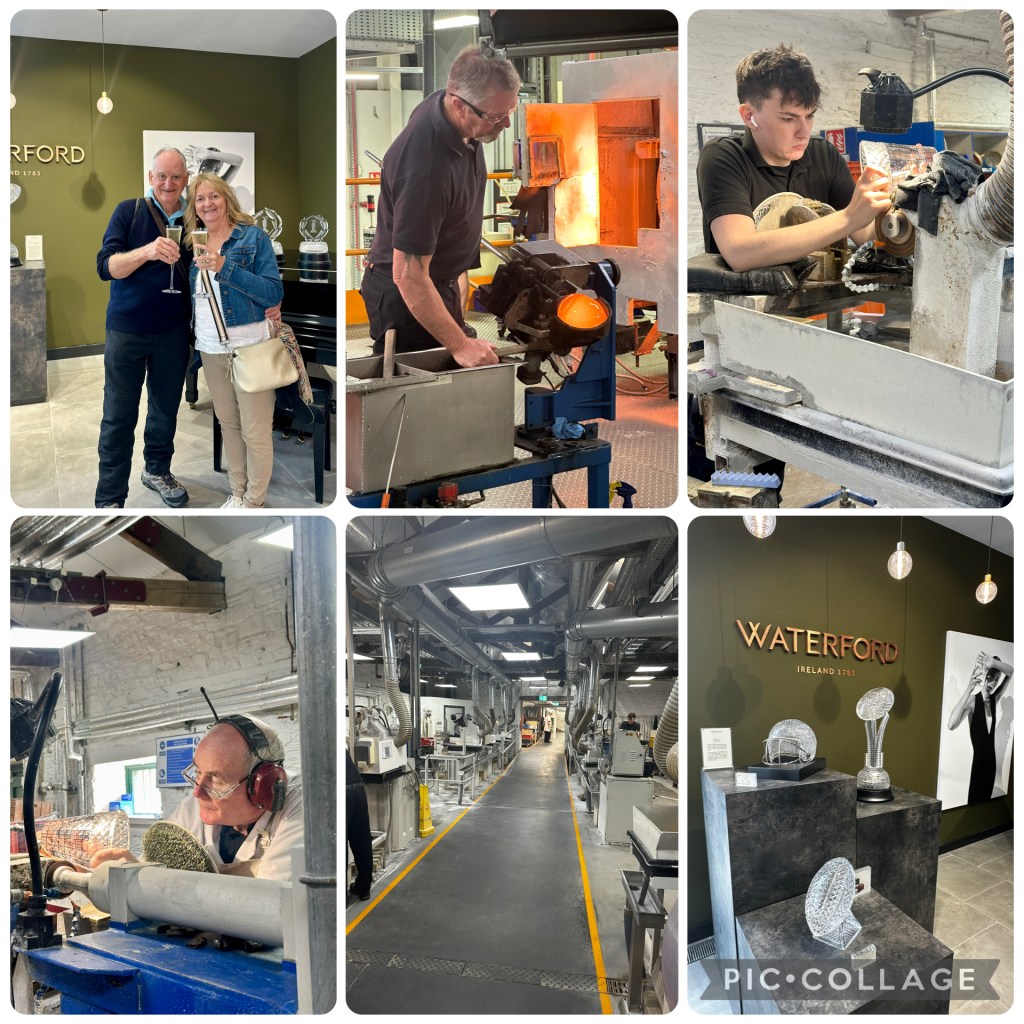
Our stop in Waterford was centered around visiting the House of Waterford to undertake a tour of the factory to see how the crystalware is made. While most Waterford Crystal is now produced out of Ireland in locations such as Slovenia, the Czech Republic and Hungary the Waterford location holds the world’s largest collection of Waterford Crystal including for royalty and trophies for the world’s major sporting events with many of these on display. It proved a very interesting tour with a glass of champagne in a Waterford Crystal flute to complete the tour.


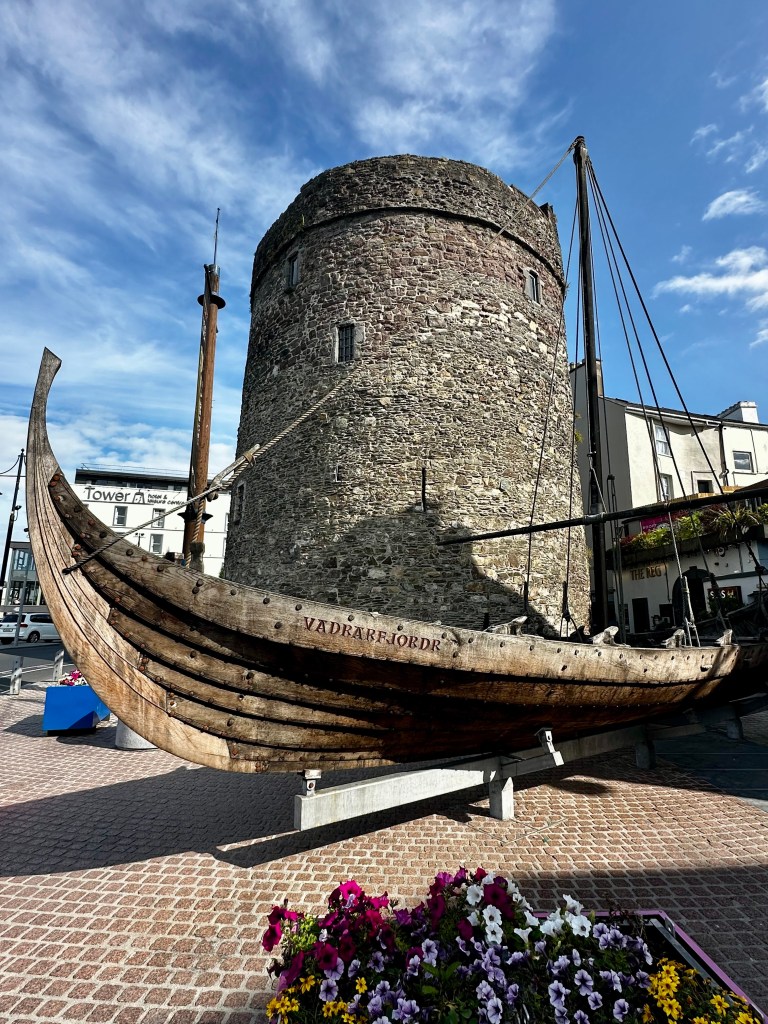
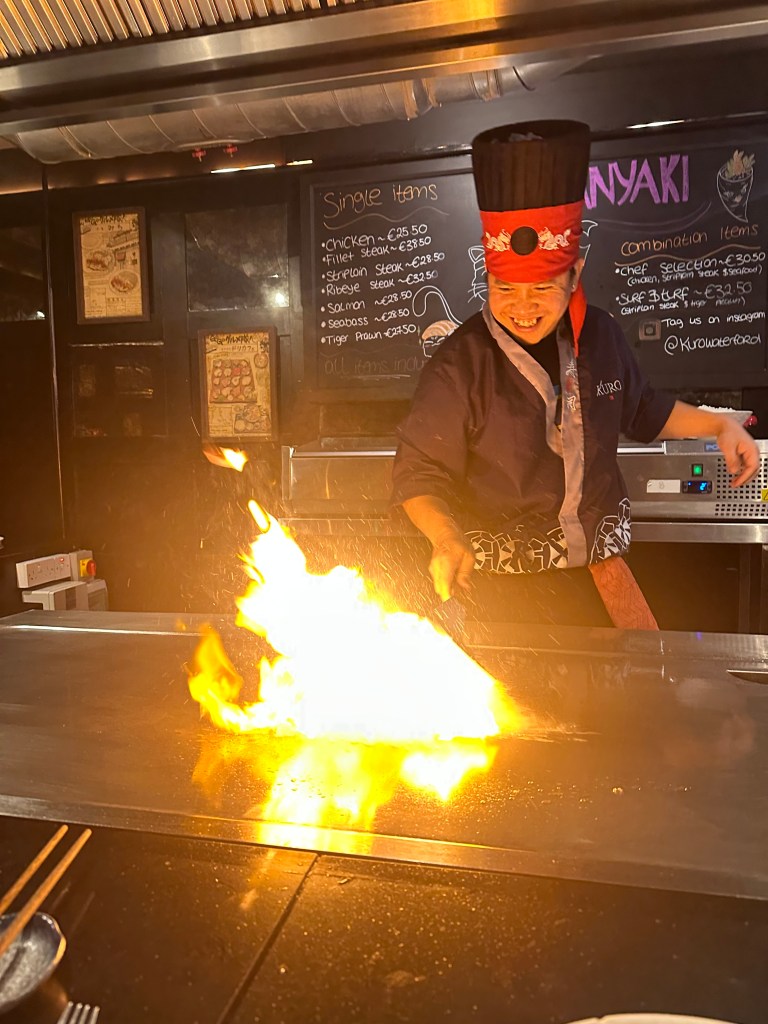
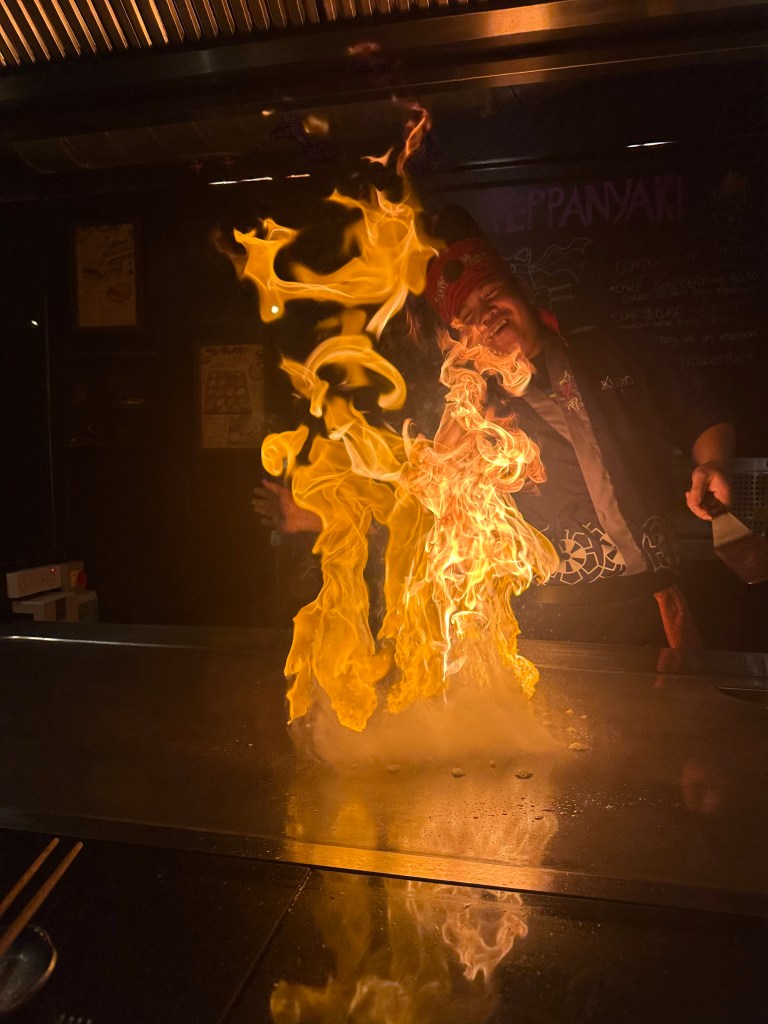
In the evening, we located a Japanese restaurant, Kuro near the Viking quarter that had a Teppanyaki menu and the three of us had a tremendous evening with the colourful chef, lots of laughter, eggs flying everywhere and an unbelievable flame show – a great way to end our time in Ireland.


The next morning, we headed for Dublin airport where Portia would spend another day exploring Dublin by herself and we would fly onto our next stop, the island of Malta.
Overall, we had travelled around Ireland for 23 days and seen and experienced so many aspects of Irish life, the stunning scenery, the food and wine (as well as lots of Guinness and Irish whisky) and of course the wonderful Irish people which provided such everlasting memories. While the weather was “Irish” on a few of the days we were exceptionally blessed to still tick off so many bucket list items. In the end it really didn’t matter to us as it provides us with an excuse to come back to tick off those places like the Ring of Kerry drive on our next adventure. Ireland has too much to offer to see it all in a few short weeks.
Join us next time as we explore Malta, an island in the Mediterranean that we have been keen to explore for some time.
Until then, take care.
Bruce & Pauline

 When Wine Calls
Leave a comment