
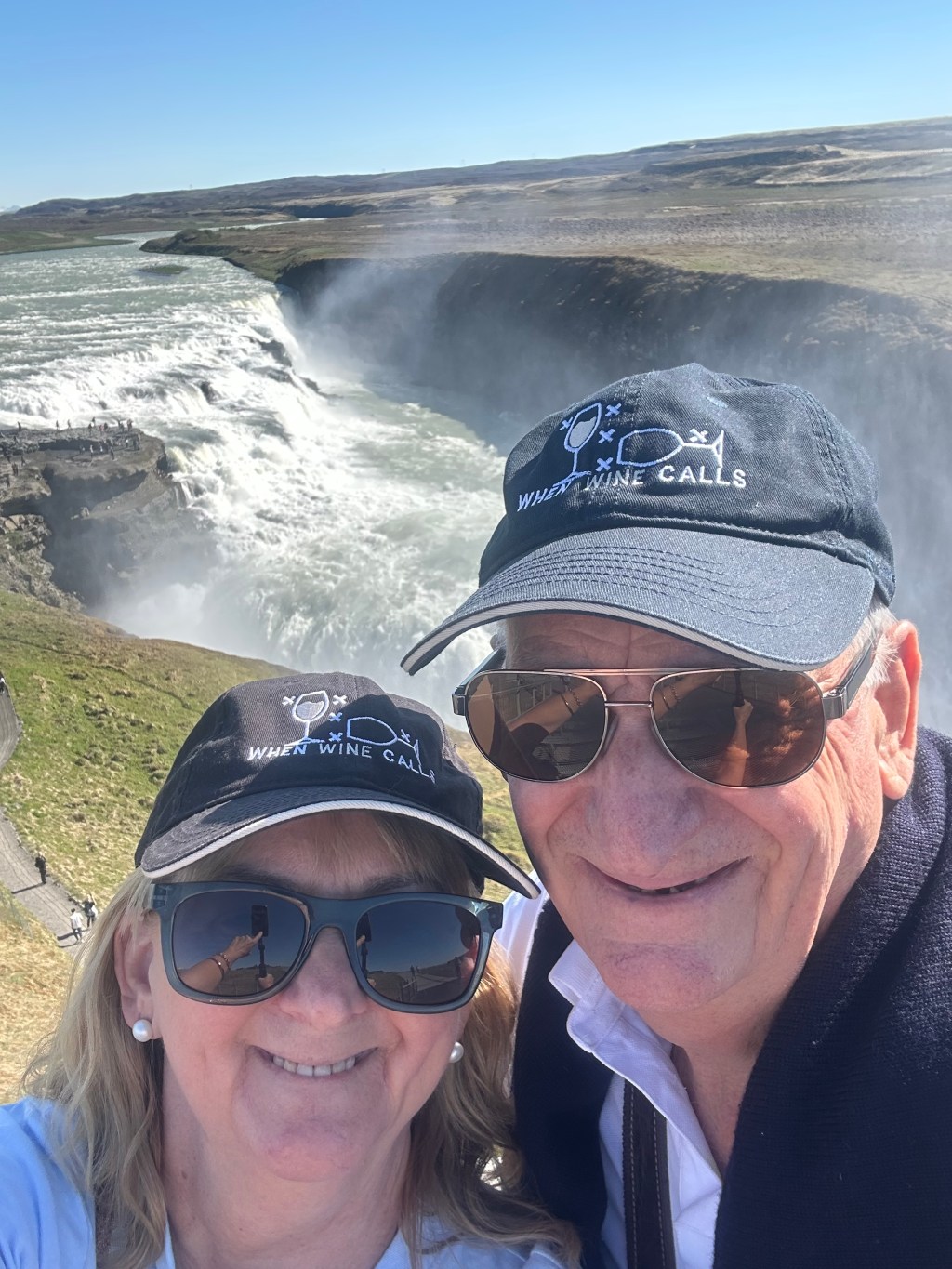
Welcome back to When Wine Calls – “2025 Wine Afficionados Tour”.
We had been wanting to travel to Iceland ever since our adult children had travelled there 18 months ago after joining us in Austria for our White Christmas – read our 2025 The Winter Grape Tour for more detail on that fabulous trip The difference, of course, would be that we were traveling there in May and they had visited in January so the landscape and temperatures would be vastly different.
On approach to Keflavik Airport after our 4-hour flight from Milan the view of the Icelandic coastline out of the window was stunning and set the scene for the amazing images we would experience during the visit.
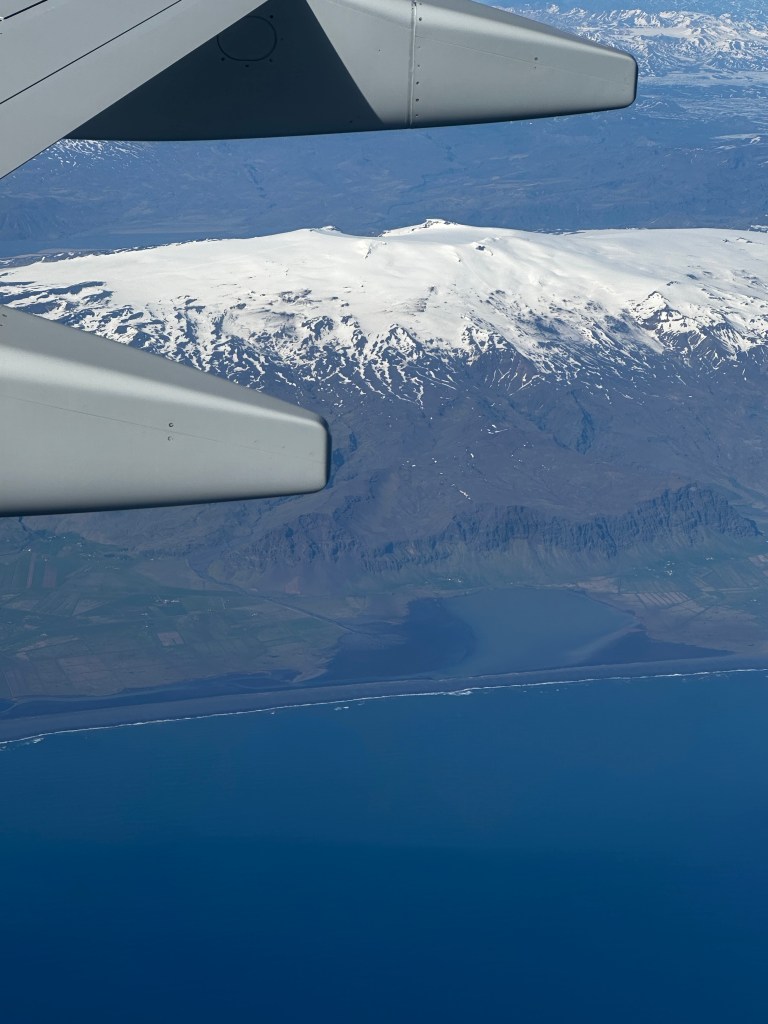
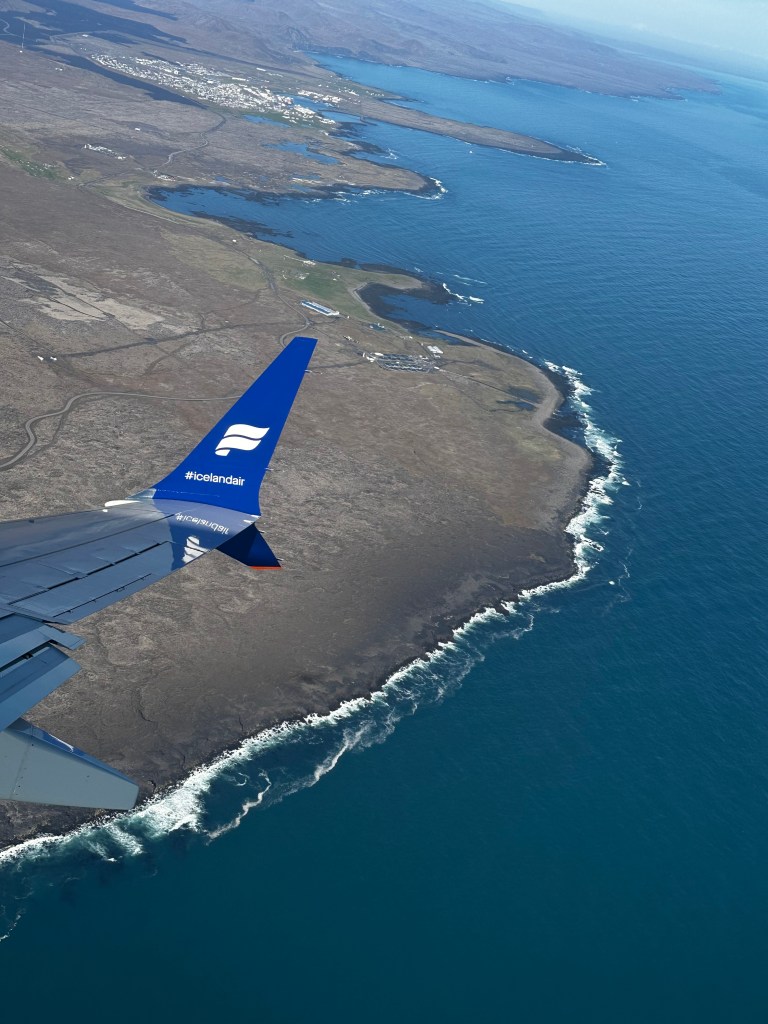
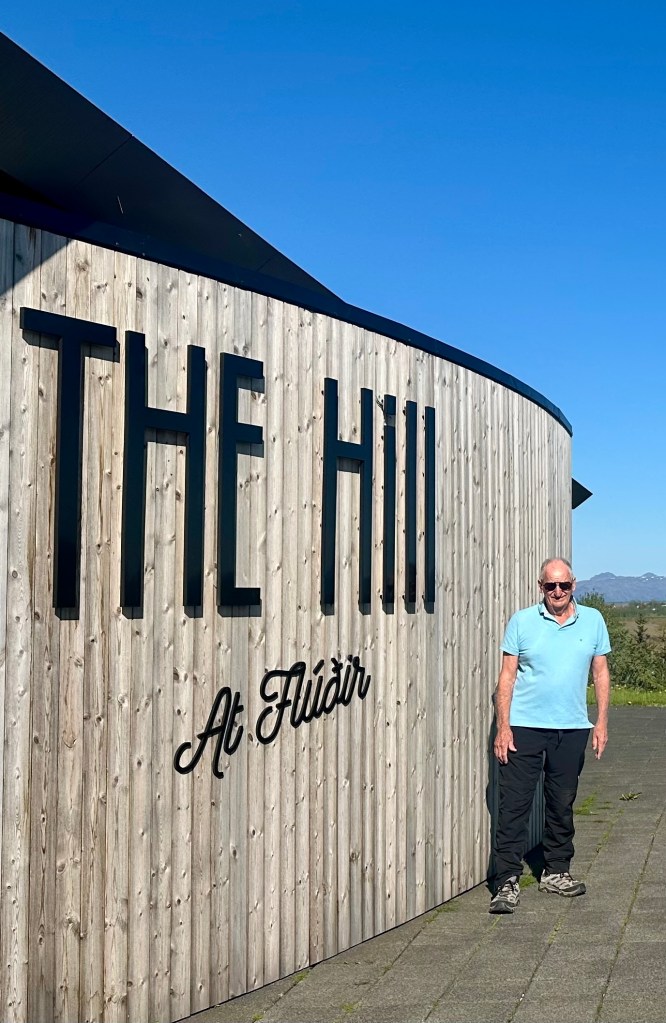
We had organised a hire car at the airport and had a 2-hour drive to our first stop at Fludir. Fortunately, the sunset was around 10pm so the drive was all in daylight which greatly assisted in getting back into driving on the opposite side of the road compared to Australia. We arrived at The Hill Hotel at Fludir just in time for dinner before the kitchen closed and our first taste of the fantastic seafood available in Iceland. We would have seafood frequently throughout Iceland and enjoyed everyone of the meals– just so fresh and always beautifully prepared.
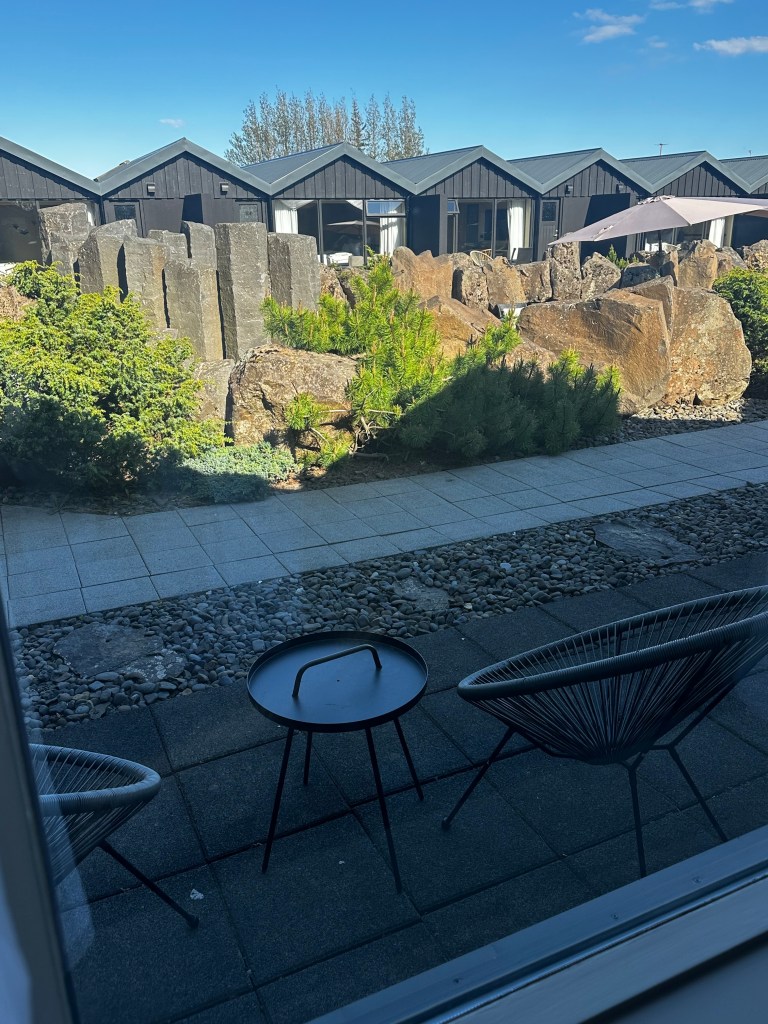
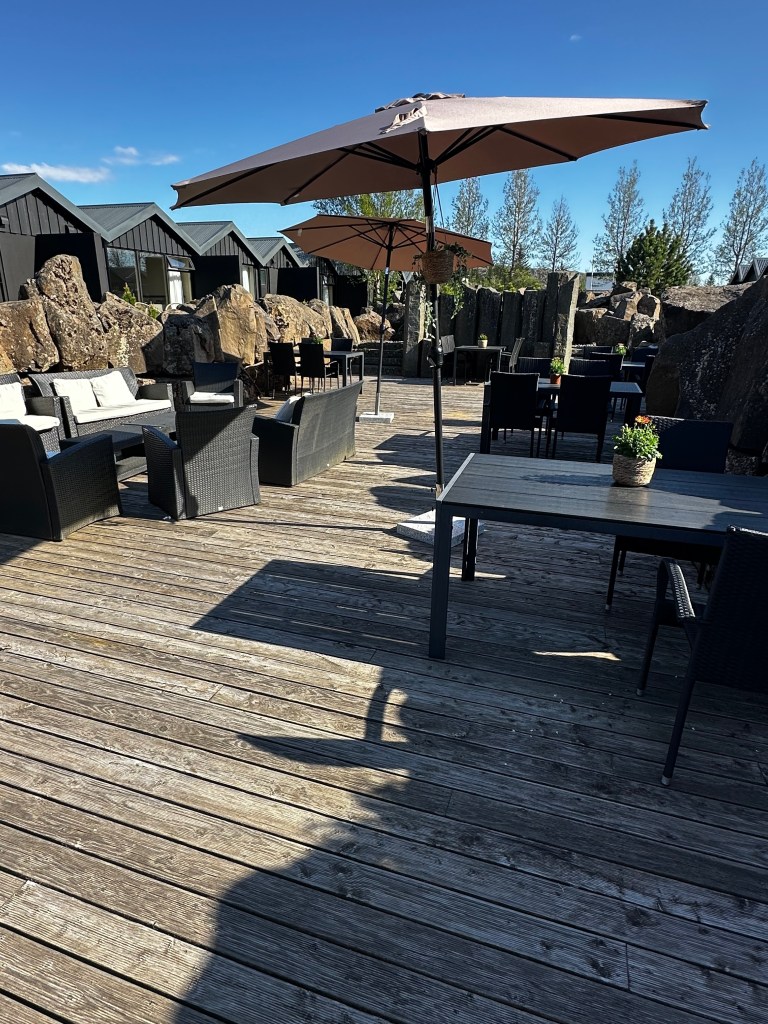
We were also able to have a hot tub during our stay with two differing temperature tubs to select from.

Our plan was to drive around the southern coastline known as the “Golden Circle” ending up on the east coast before retracing our route back to Iceland’s capital, Reykjavik. Overall, we would be in Iceland for 10 days which allowed for visiting the sites of the Golden Circle but not enough time to explore the northern part of the island. You can possibly cover the whole of the island in that time, but we felt that it would not allow us time to take in all the wonderful landscape without continually being on the road. We will certainly cover off the northern side of the island next time after our experiences on this trip.
The landscape in Iceland is difficult to capture in words with volcanic snow-covered mountains ending in spectacular cliffs down to the lava plains stretching all the way to the North Atlantic. As a result, you drive along these incredibly long straight road sections through the grass covered lava plains that seem to go on forever like what I imagine would be the experience of driving over the Nullarbor back in Australia.

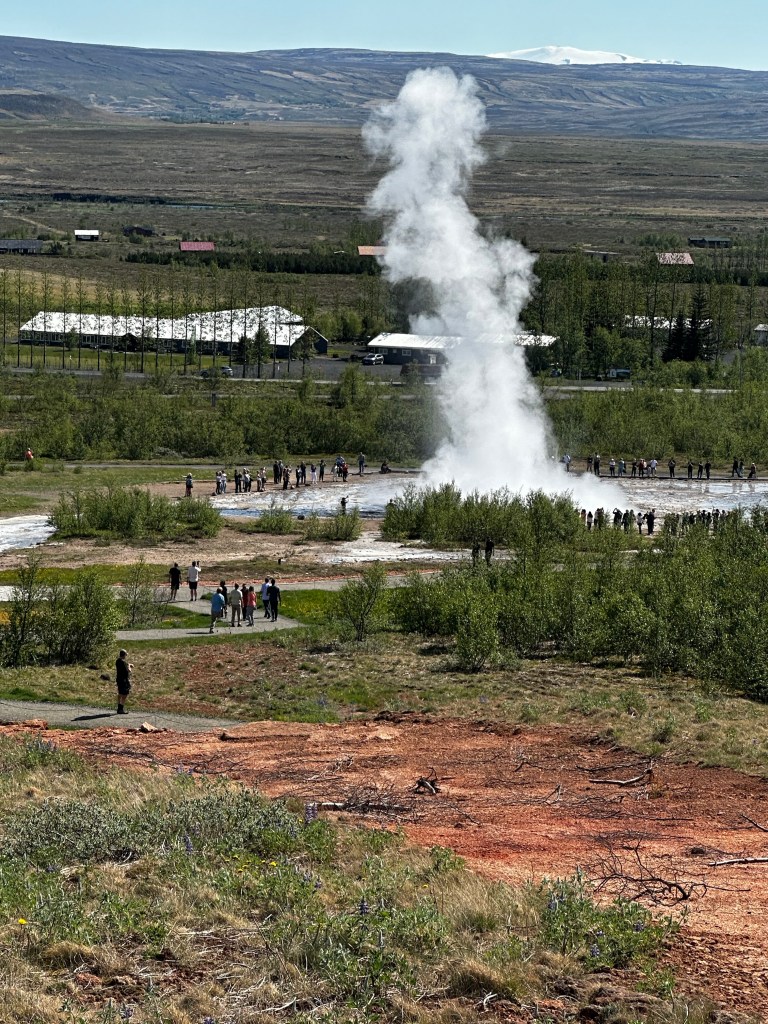
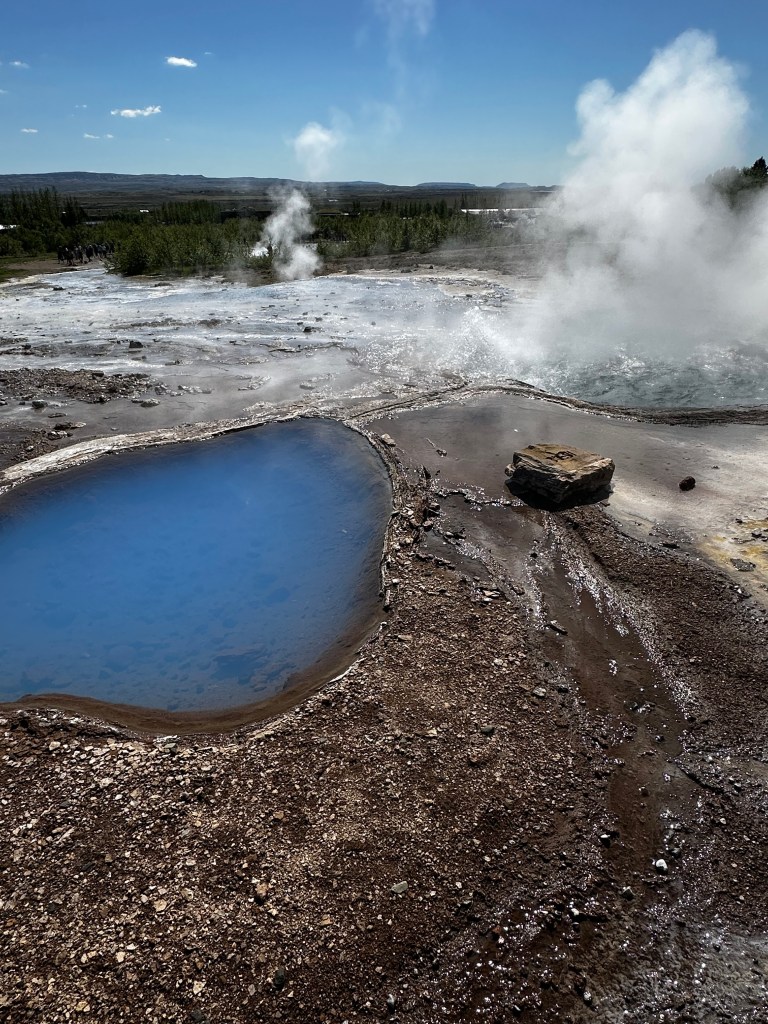
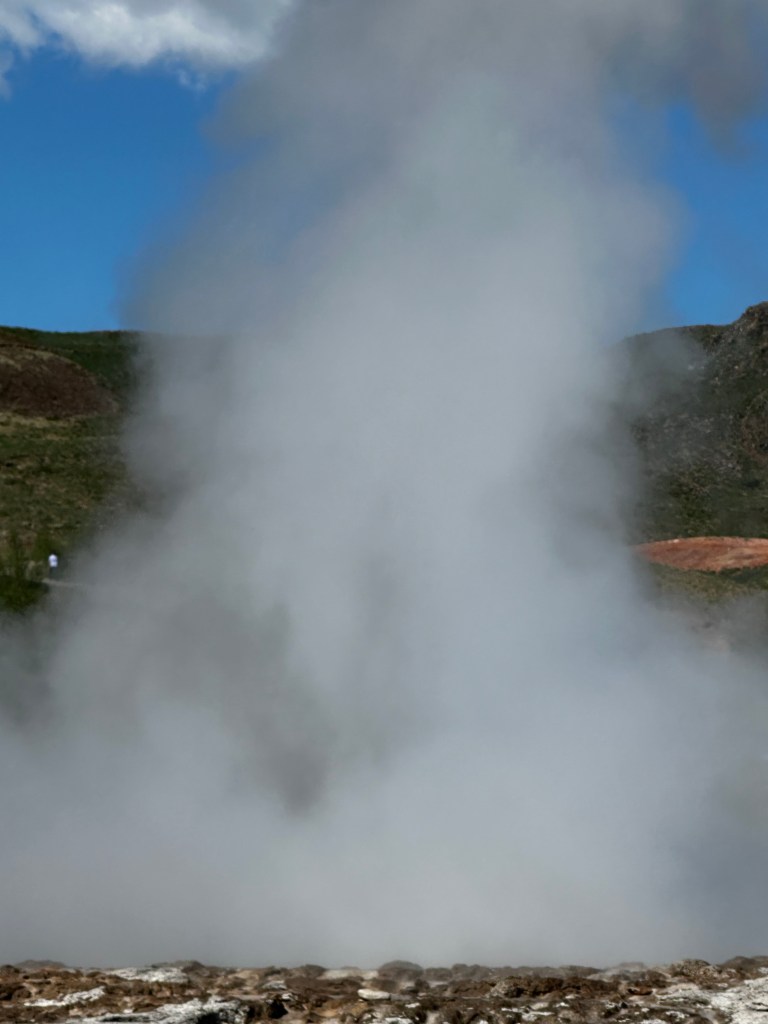
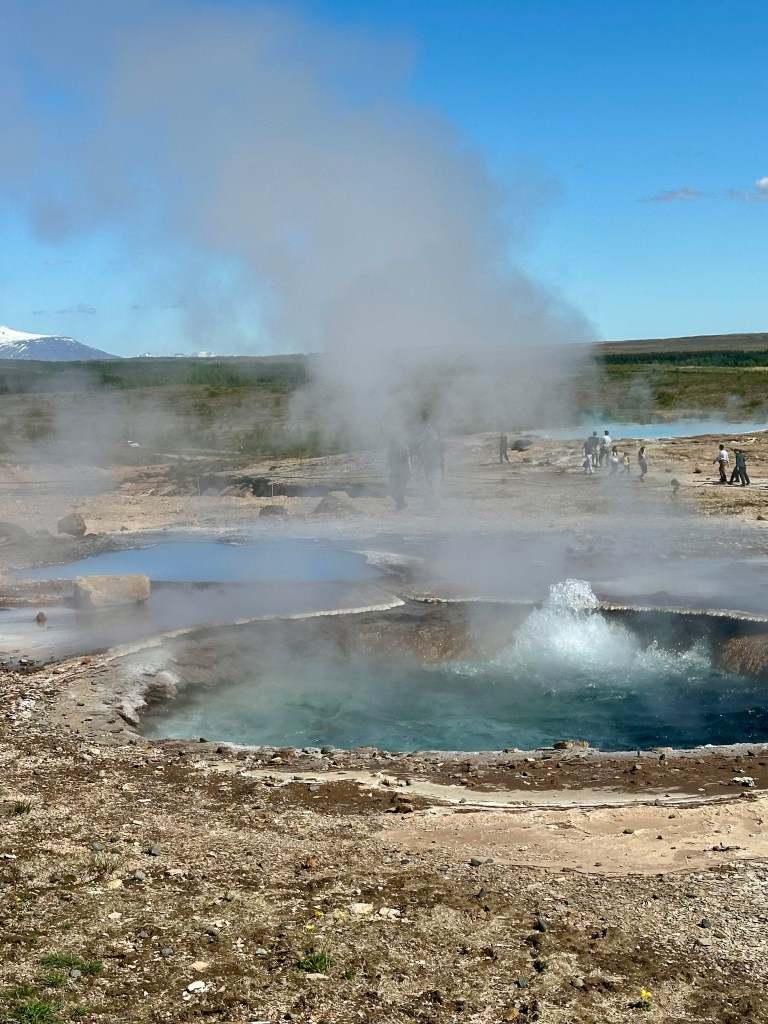
A short distance inland from Fludir was the famous Geyser area where “geysers’ got their name from with hot water spraying up into the sky at frequent intervals from both small and large geysers across the surrounding landscape.

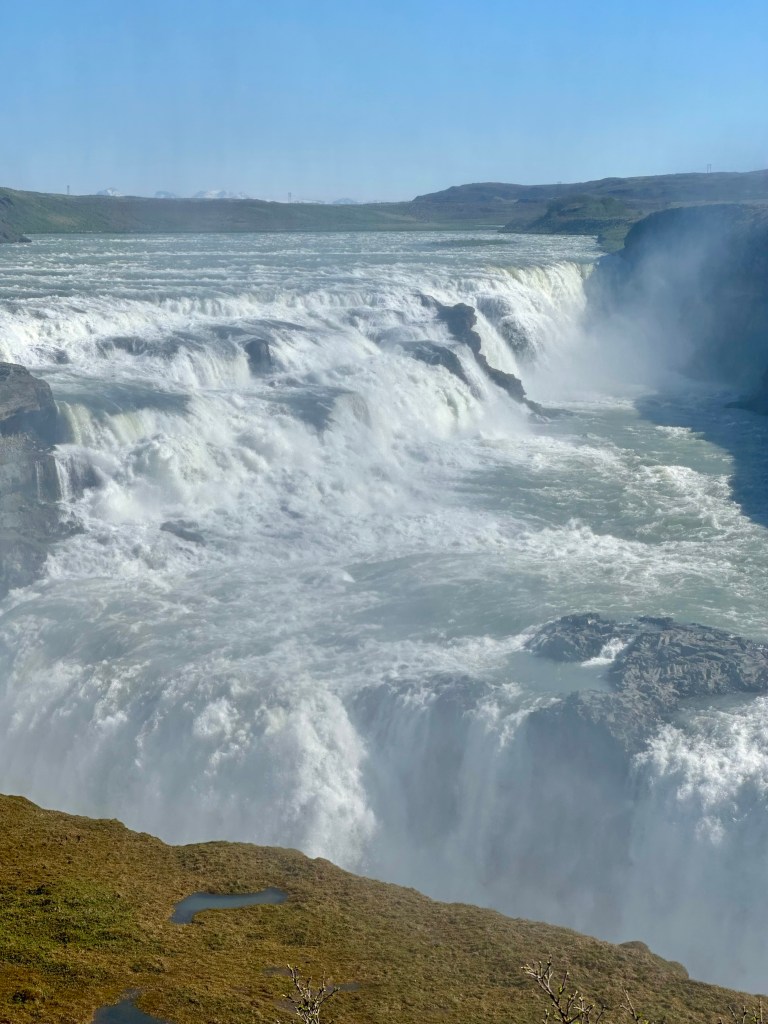
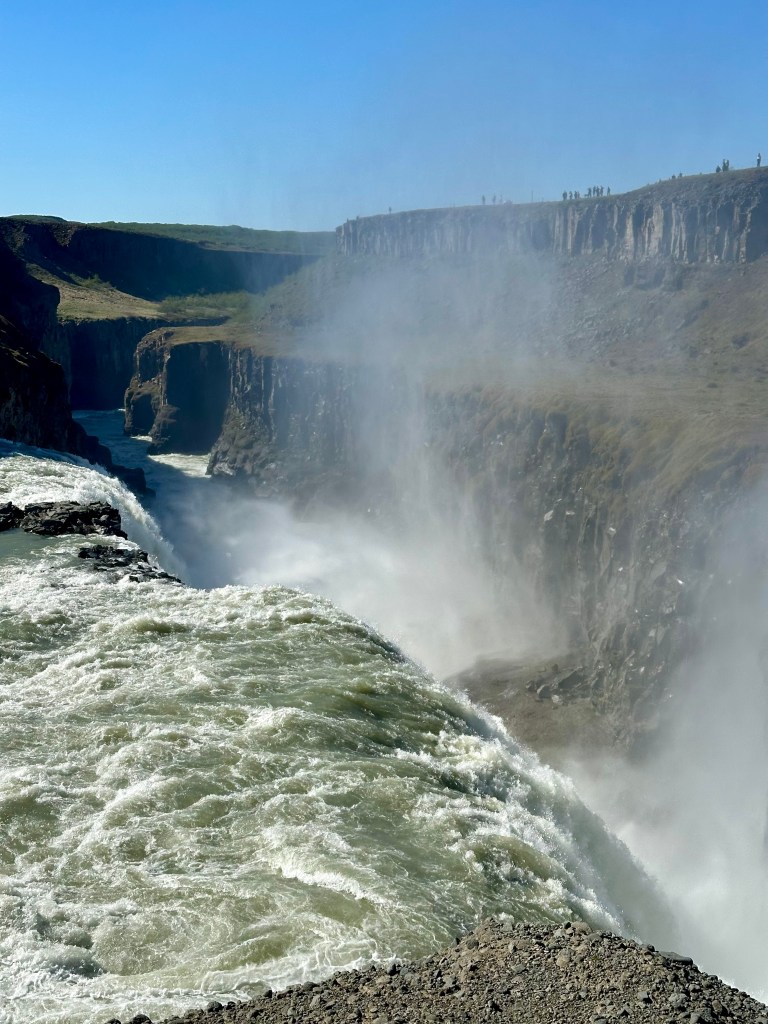
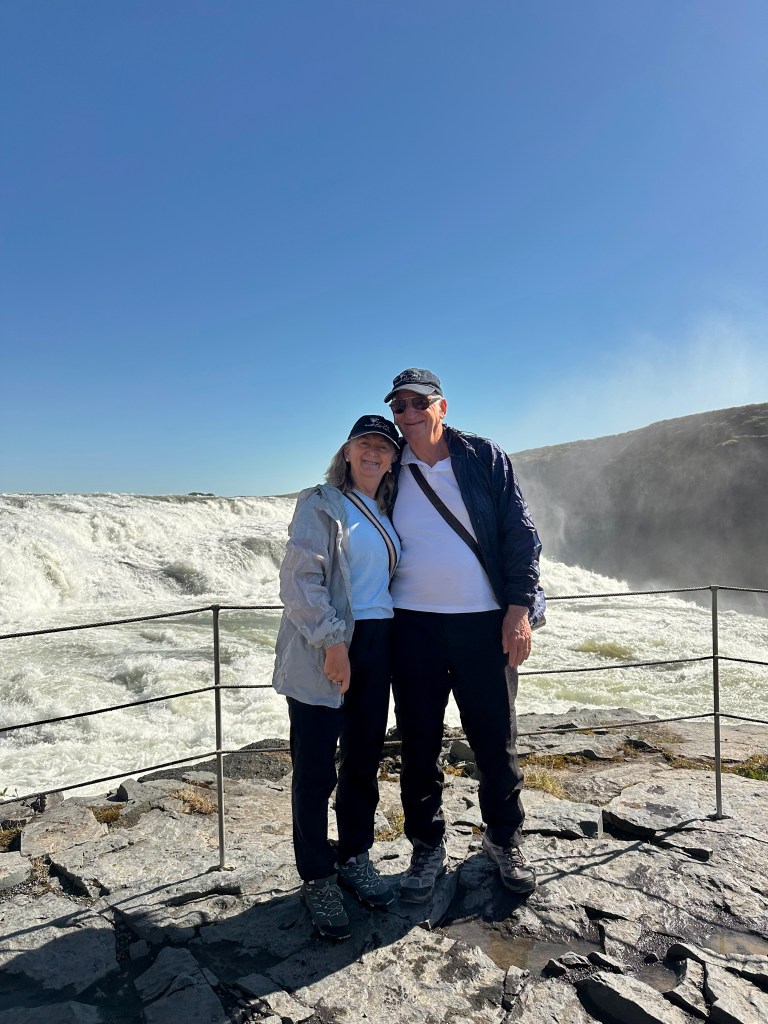
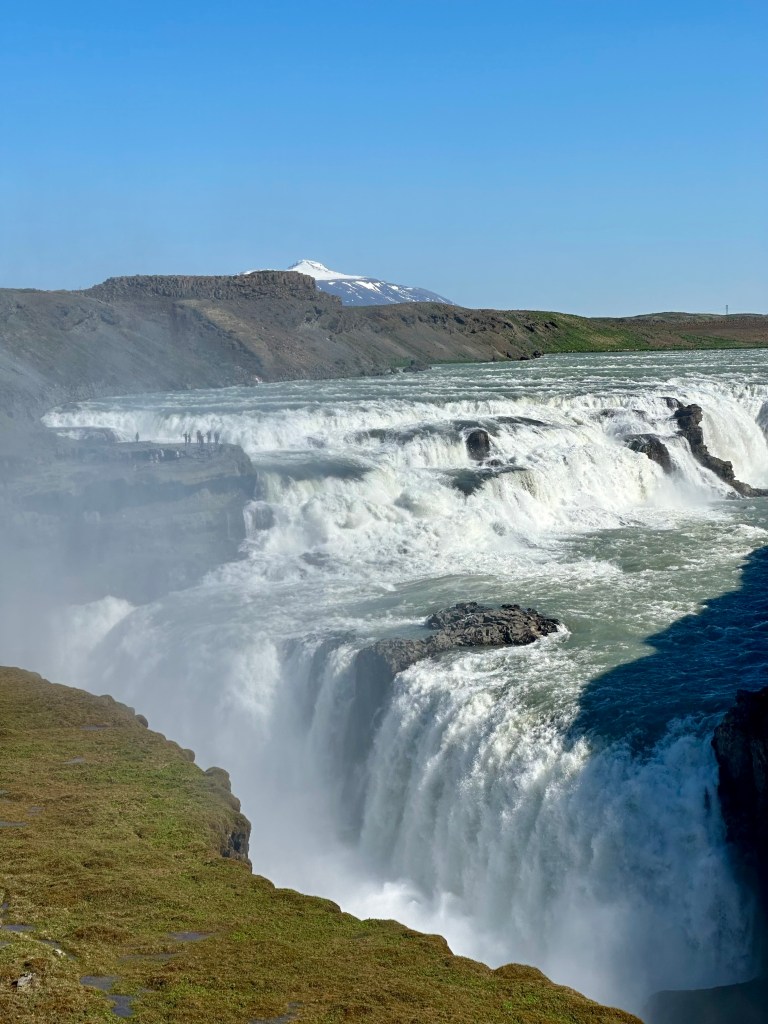
The amazing Gullfus Falls was not far from there and are a must see as photos do not do justice to this incredible natural phenomenon with similarities to more well-known falls around the world.

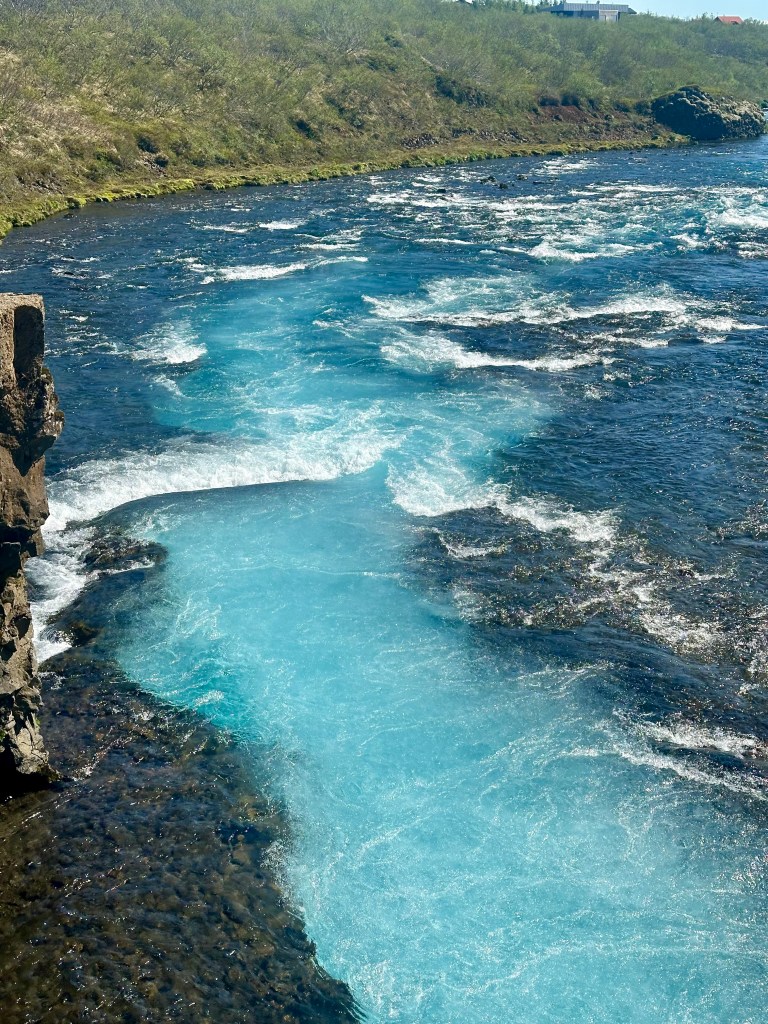
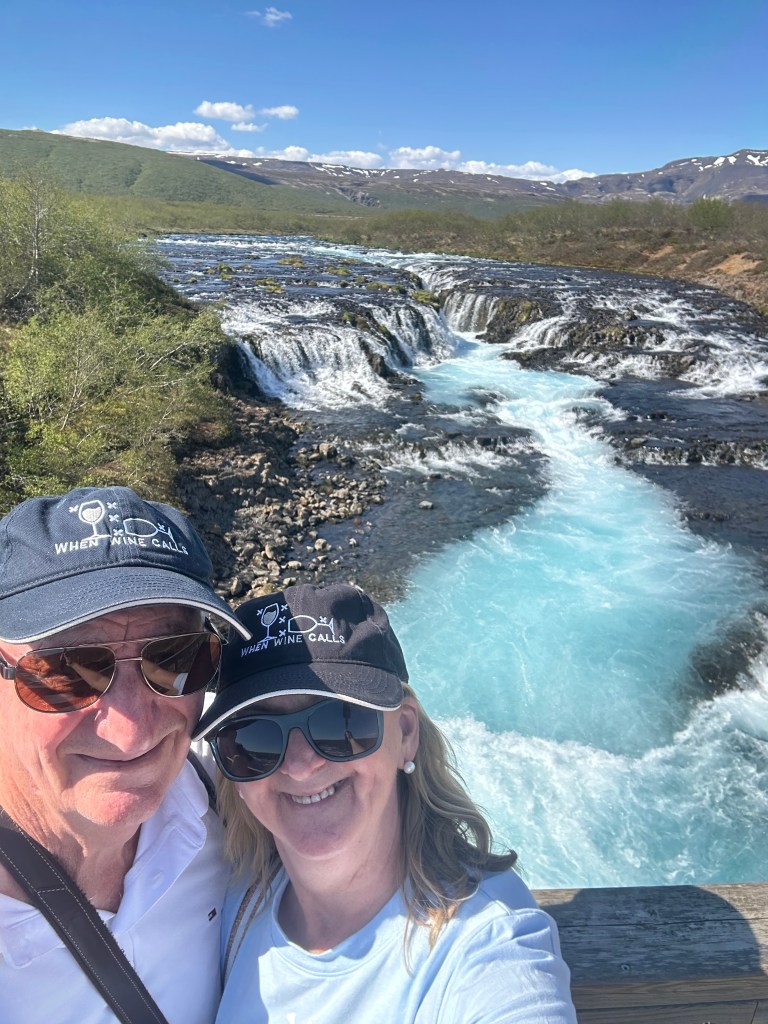
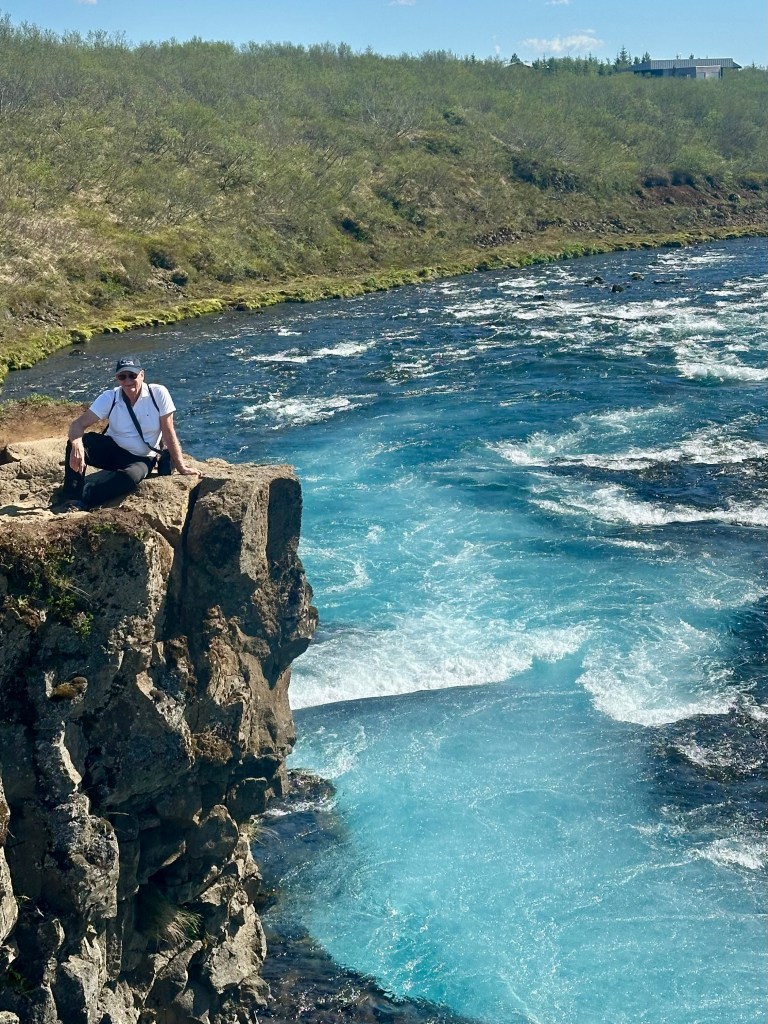
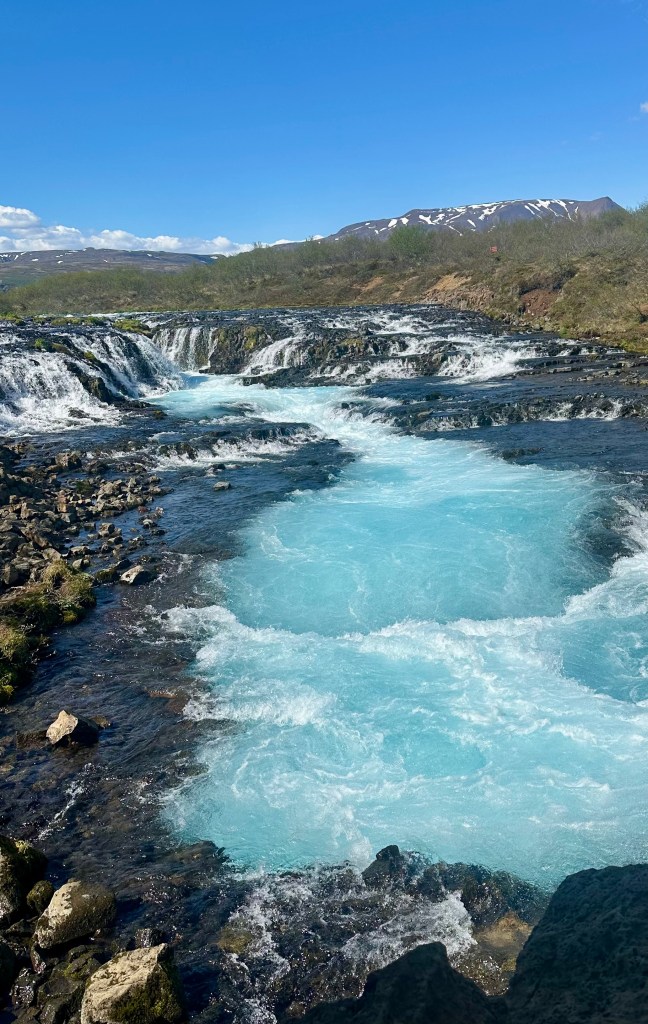
After leaving Fludir we had a short drive detouring off the main road to the Bruarfoss Waterfall, Iceland’s bluest waterfall with amazing turquoise water created by glacial melt from the Langjokull Glacier – simply stunning.
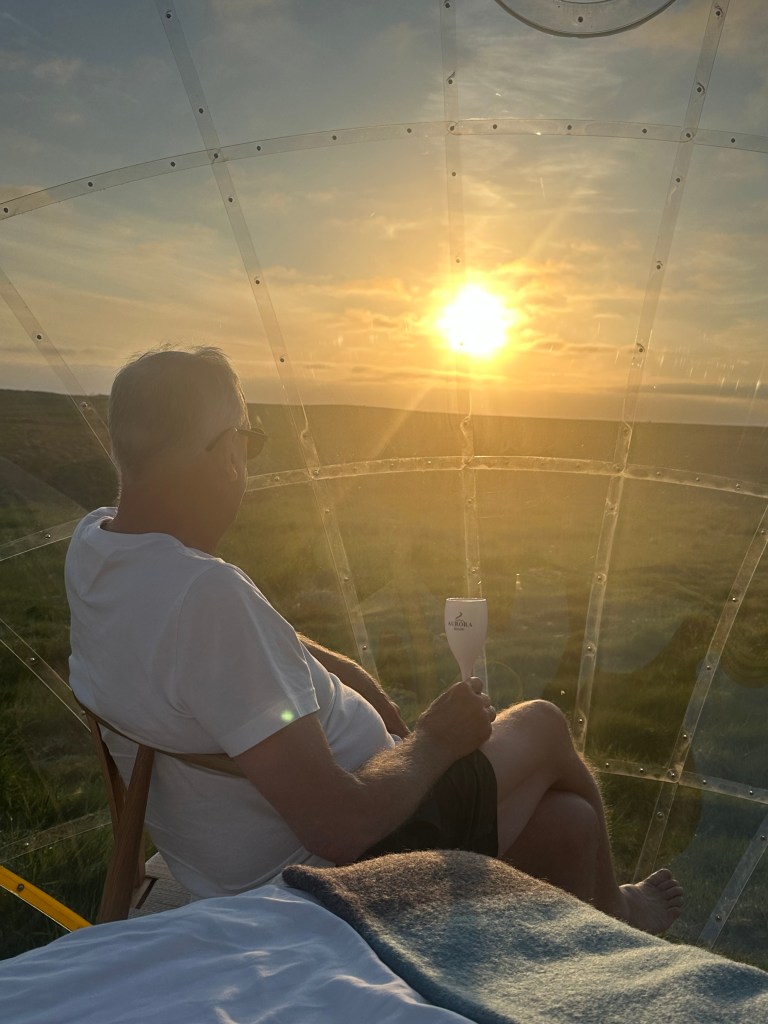
After a day of incredible landscapes, we were excited to drive to our overnight stop, Aurora Igloo. On arrival the view presented from the car was a line of glass igloos located out in a field, some with attached wooden facility huts and others just with the glass igloo. There was only a handful of other tourists there when we arrived and it was like we had the place to ourselves.
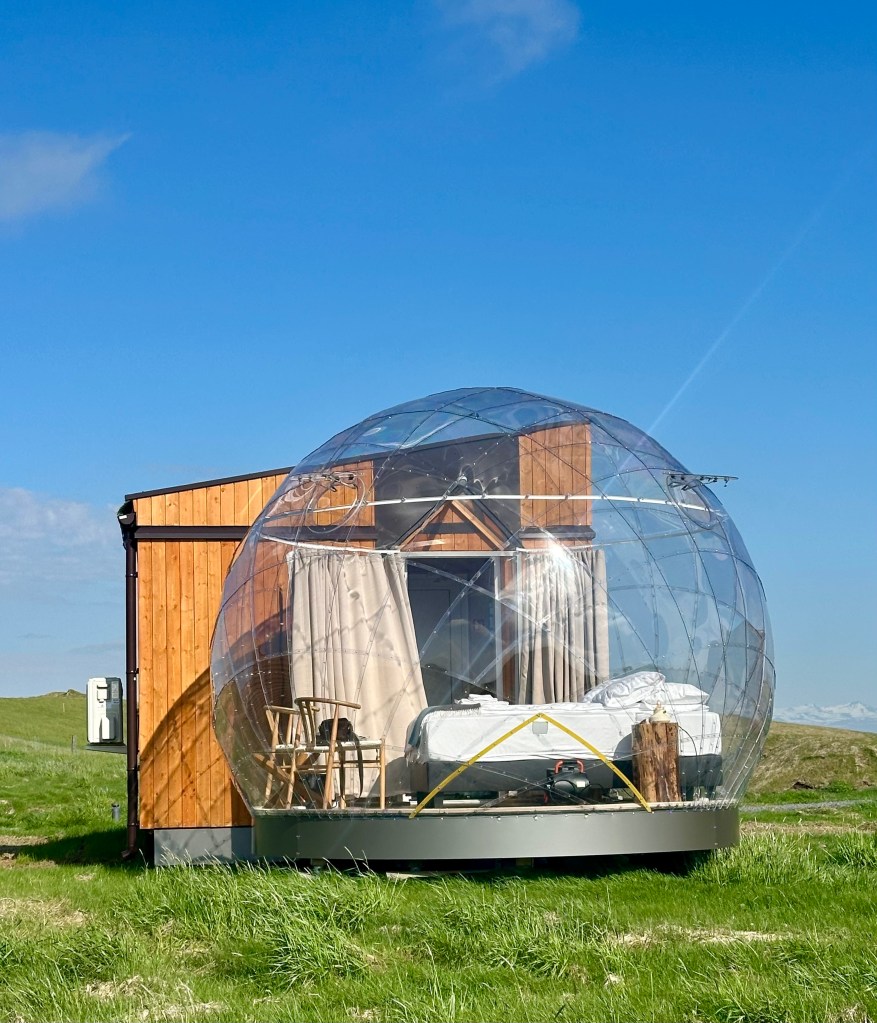
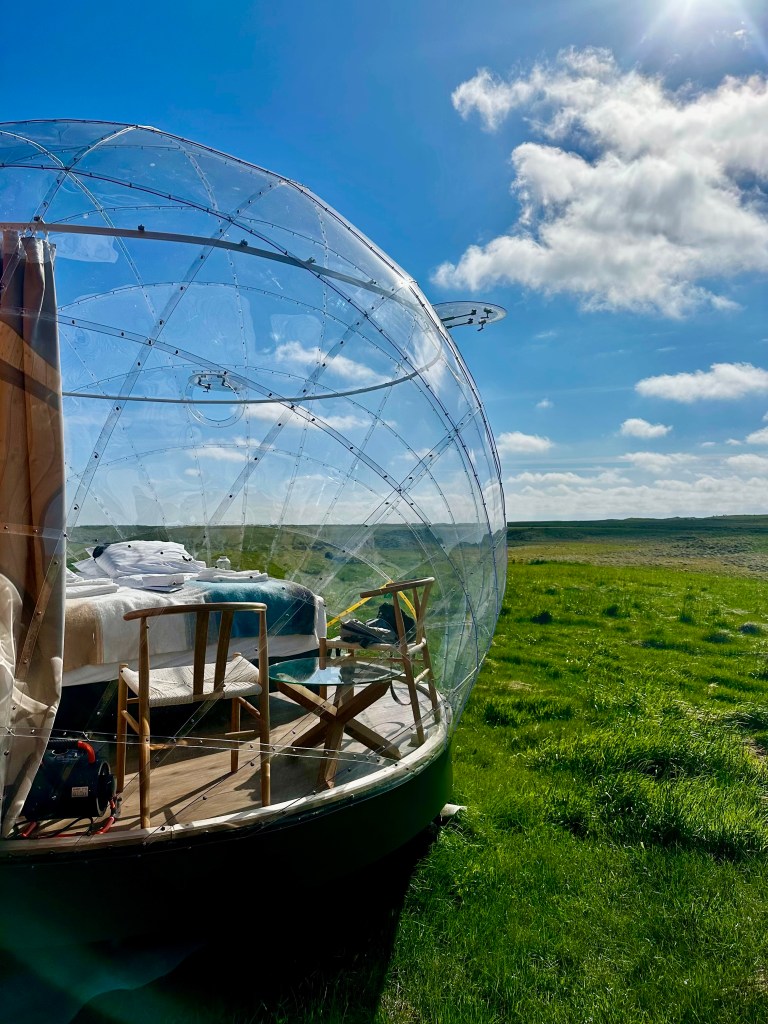
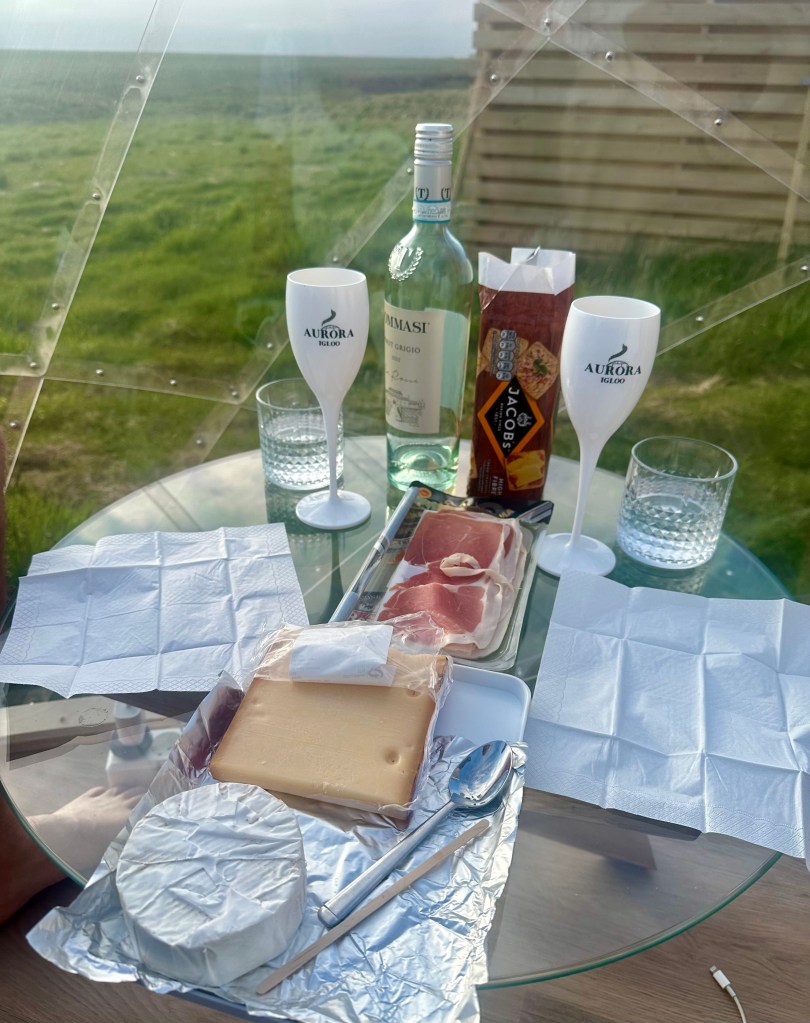
There was no reception or restaurant facilities, so we had called in at a local supermarket on the way and bought up some essential supplies for the night with wine, cheese, prosciutto etc to create our own charcuterie board and settled in to watch the amazing sunset.

Although the Northern Lights were not visible due to the time of the year it was, nevertheless, such a memorable experience.

Prior to heading off the next morning we stopped off for coffee at a unique sight along the highway, an old American school bus that has been fitted out as a café – you just never know what you will encounter when travelling.


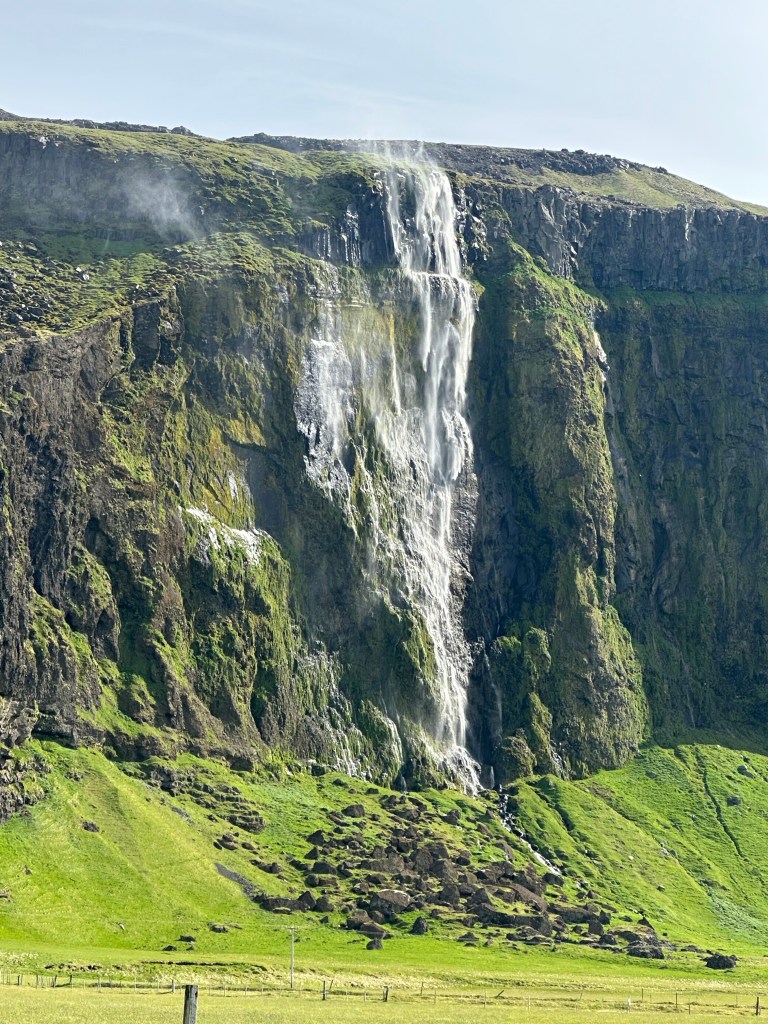
As we headed further east along the highway everywhere coming off the cliff faces were these spectacular waterfalls.
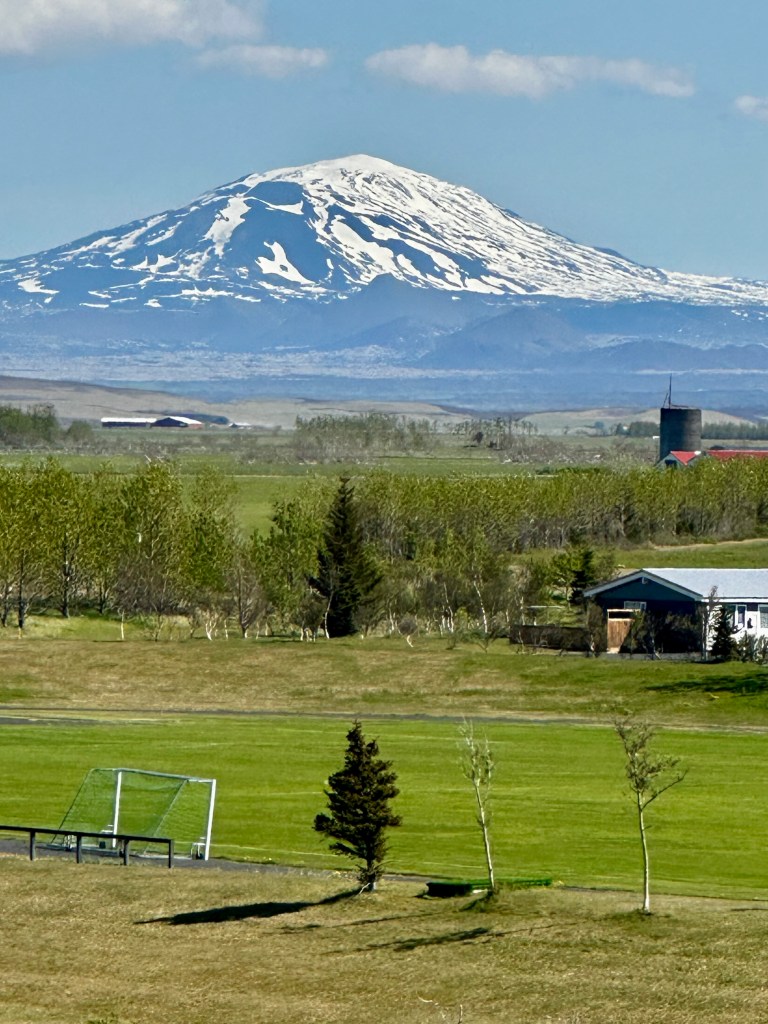
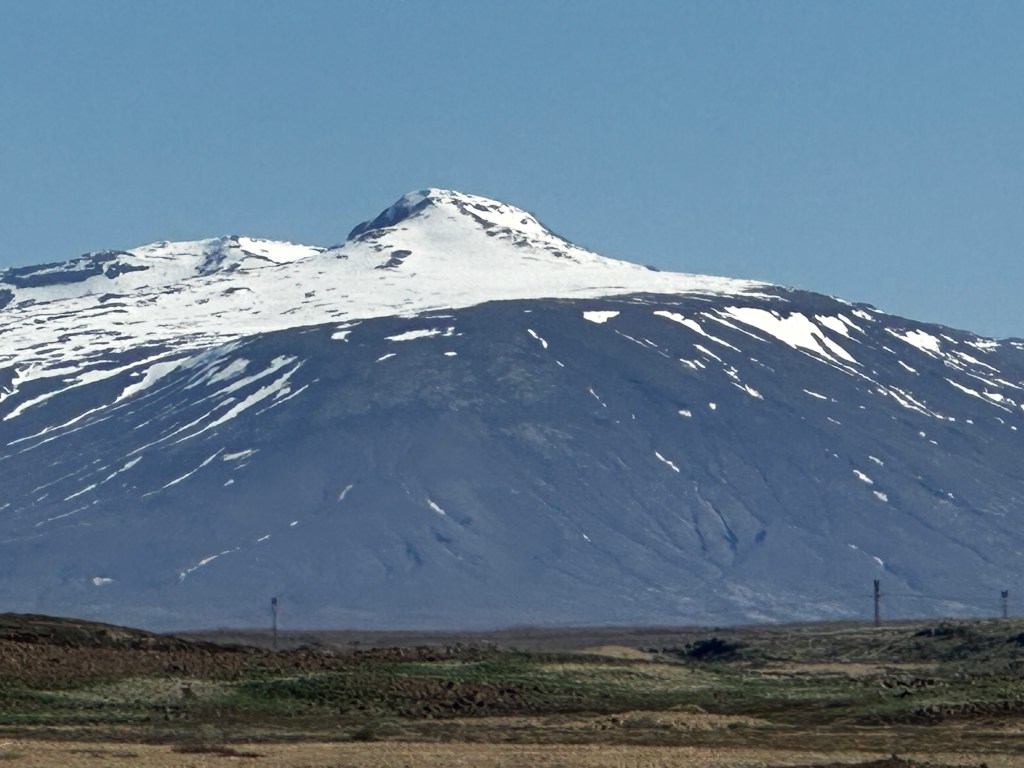
and the ever present snow covered volcanic mountains embracing the landscape.
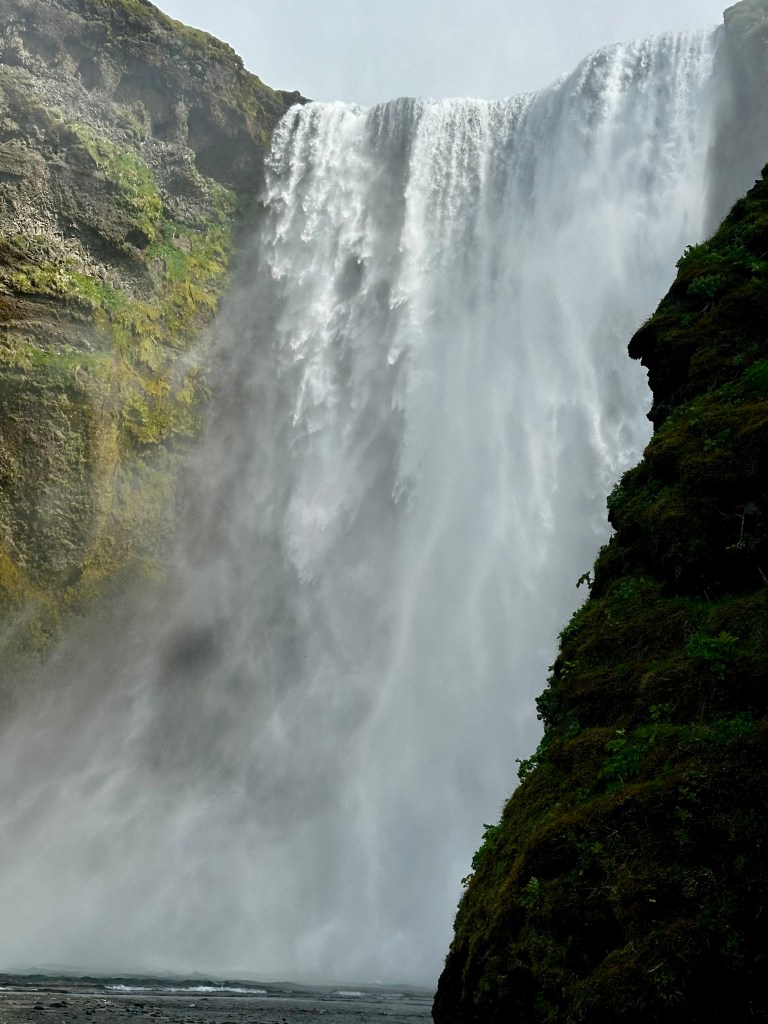
One of the most well known waterfalls is Skogafoss
Another was Seljalandsfoss both of which are located only a short distance off the road.
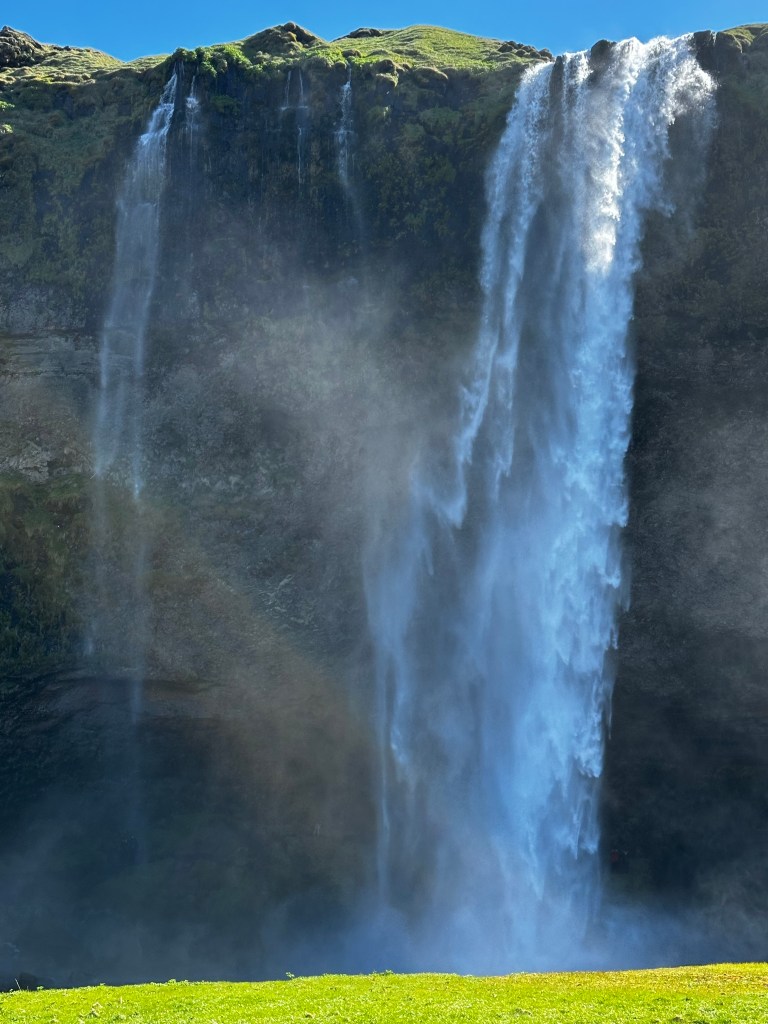
At the Seljalandsfoss waterfall we were able to walk around the back to the cliff face for an amazing, albeit wet view of the cascading water.
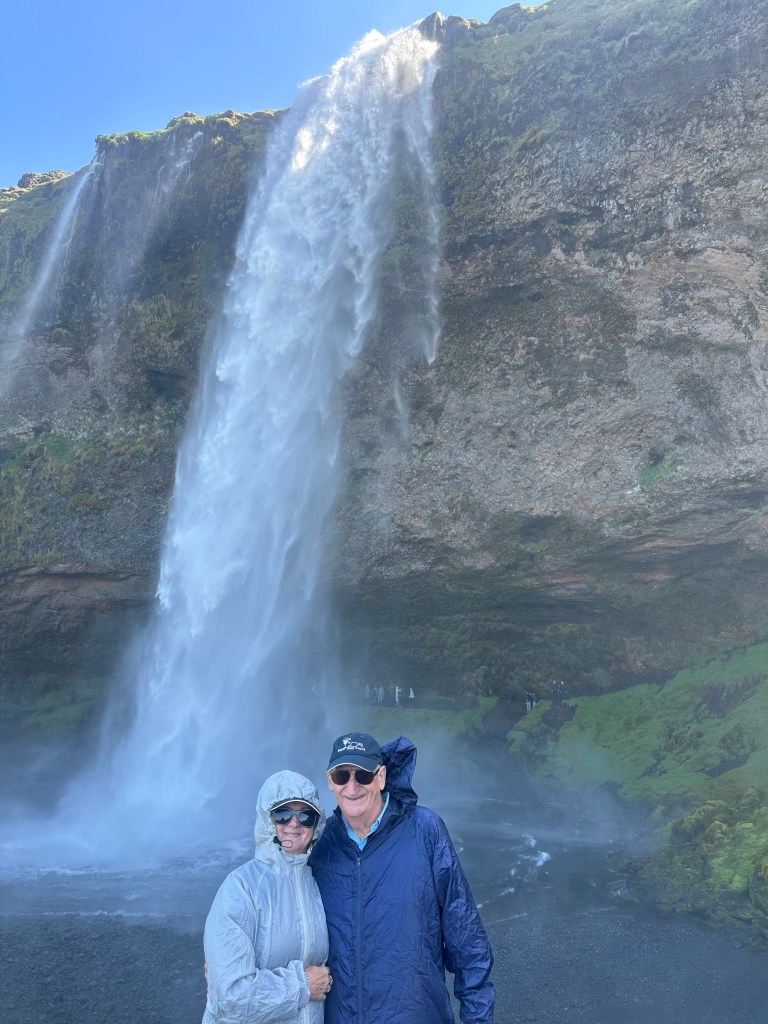
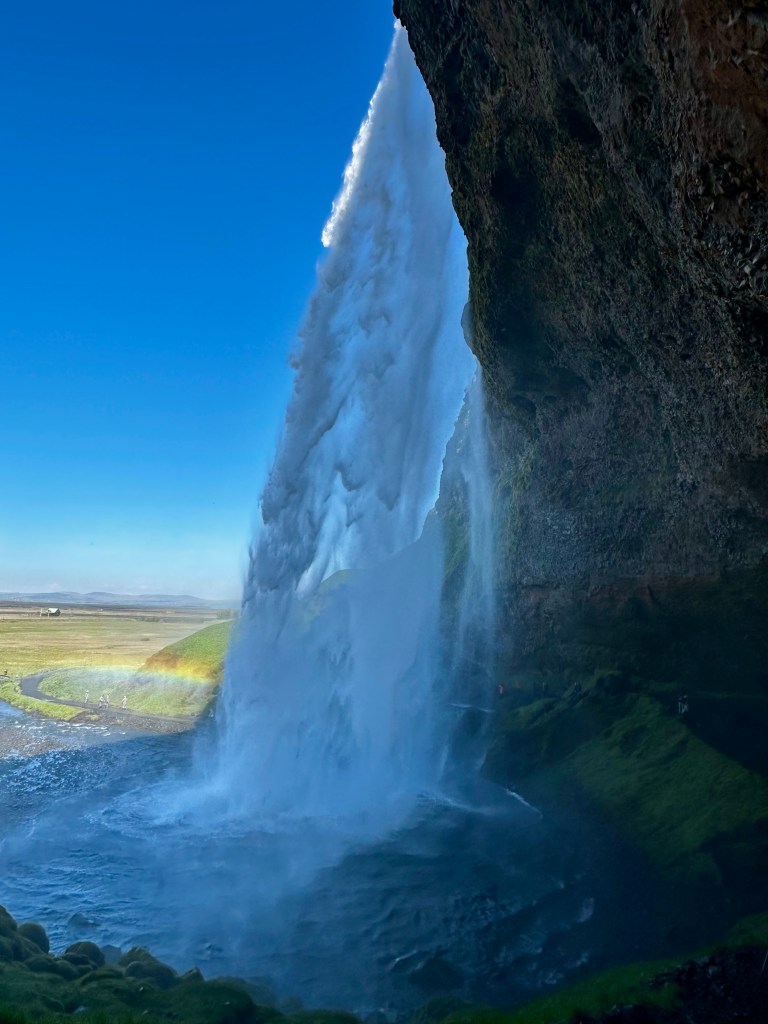

Nearby was the smaller but spectacular Gljufrabui waterfall located inside the cliff face with another opportuity to get soaked in the name of adventure.

All along the southern coast are black volcanic sand beaches with one of the most famous being Reynisdrangar (we called it Black Sand Beach) with its incredible rock formations.

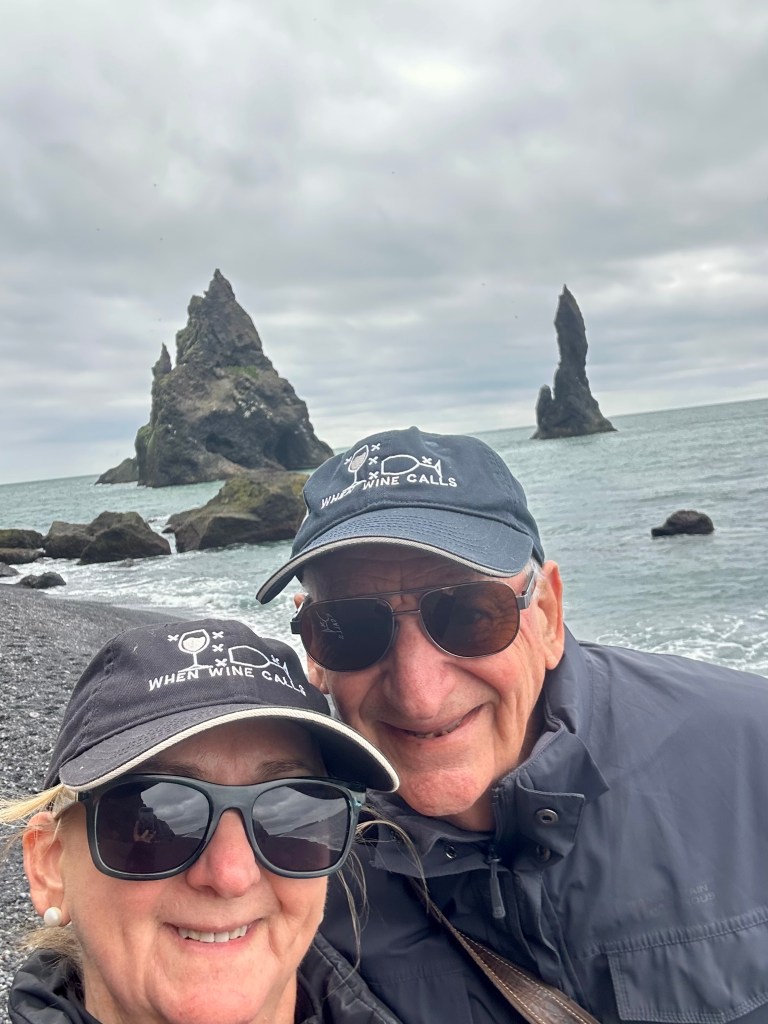
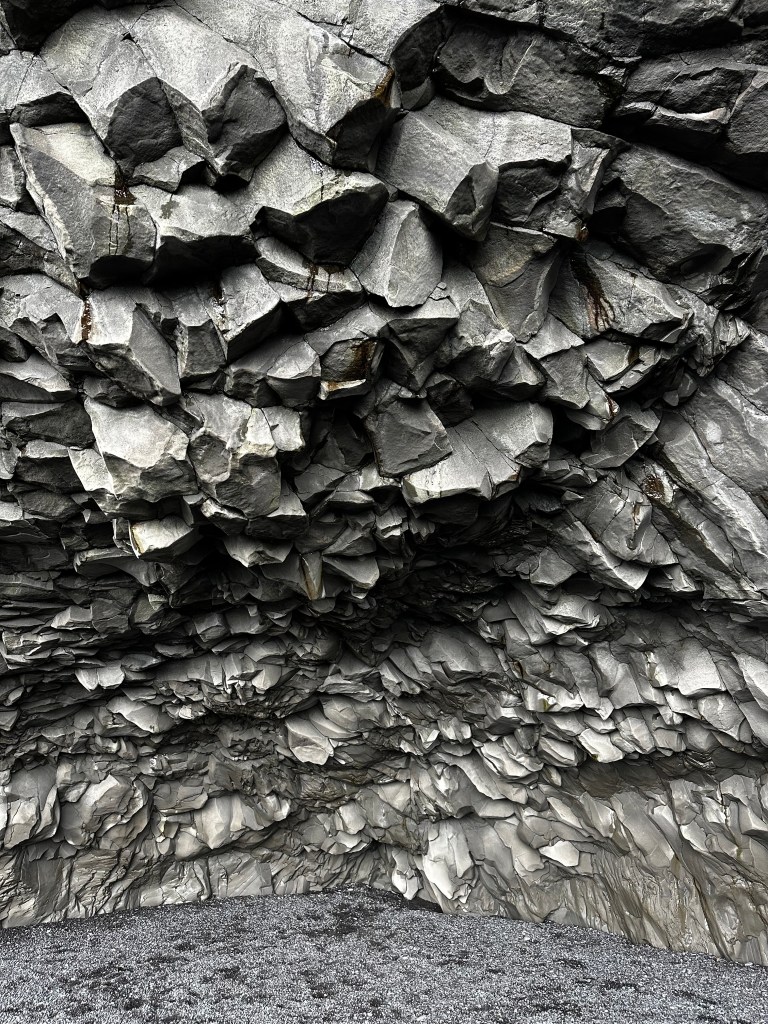
The mountains were still covered in snow particularly surrounding the Skaftafell and Svinafellsjokull areas where glaciers come down the valleys at multiple locations. At one of these spots we were able to walk up to the head of the moving glacial wall and watched the ice breaking off as it travelled down the valley melting into the rivers and out to the Atlantic – a truly amazing site.
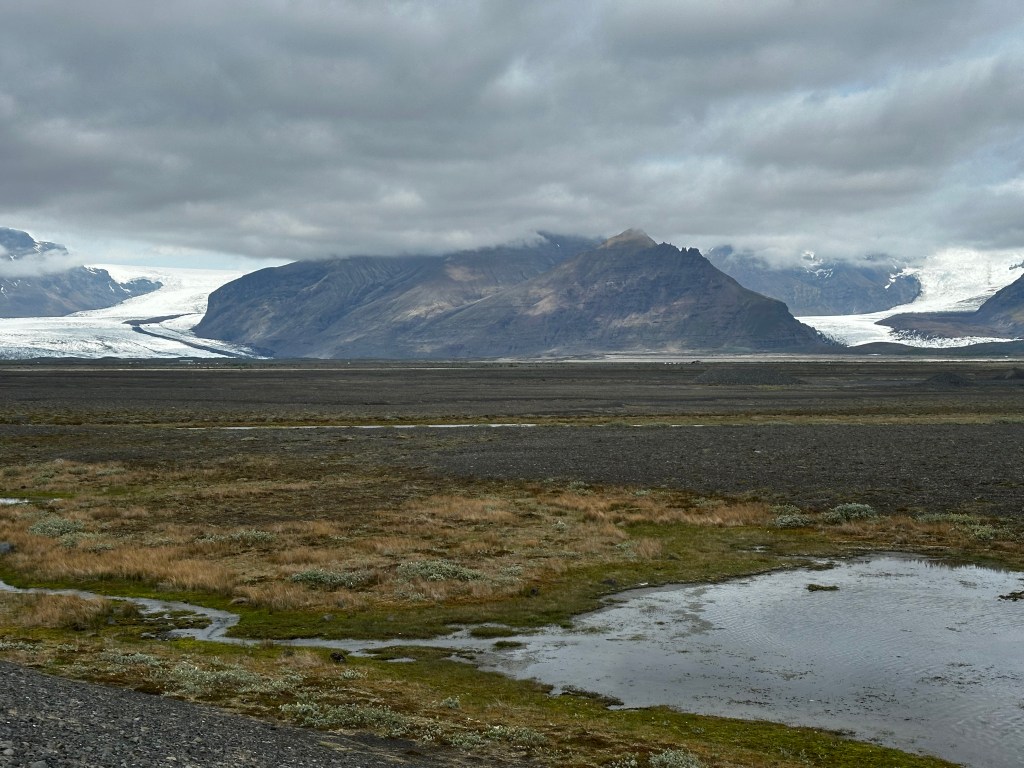
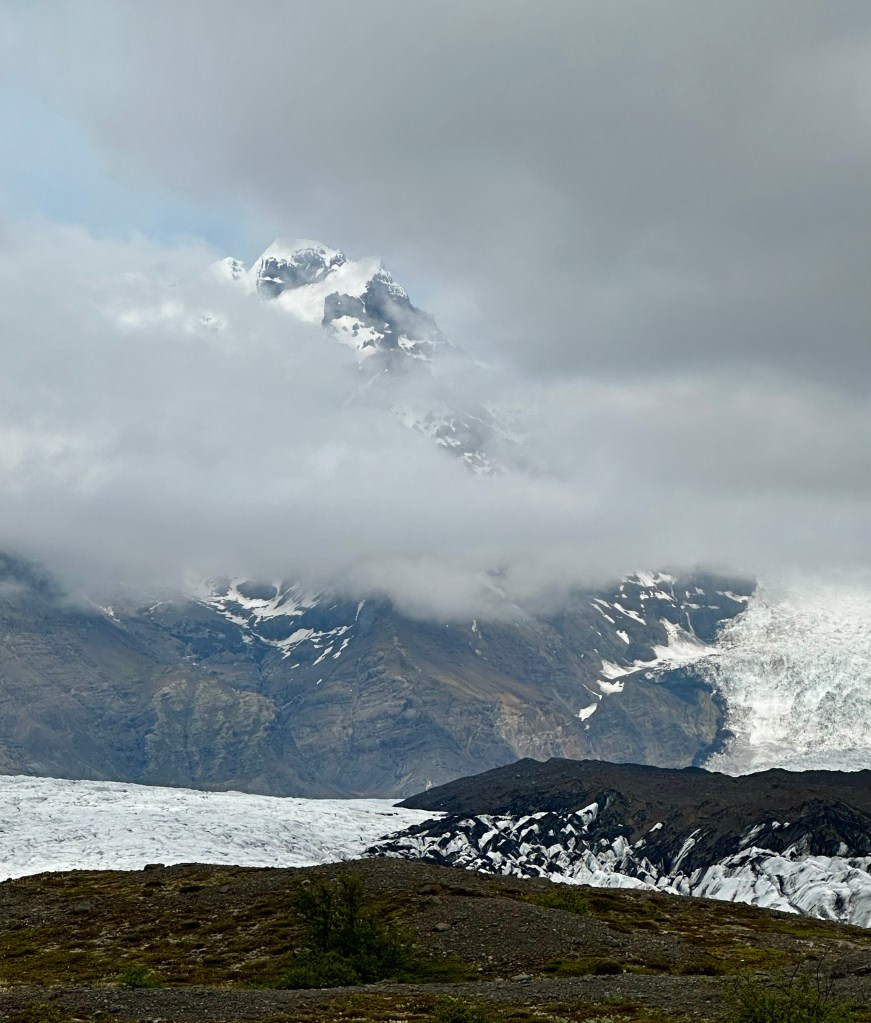
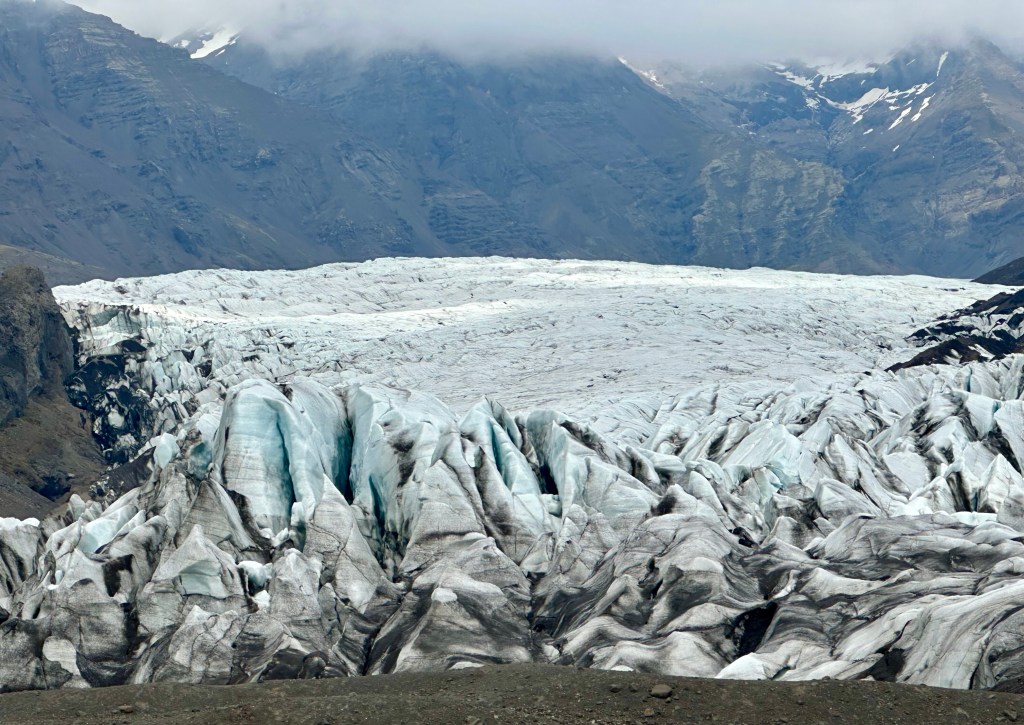

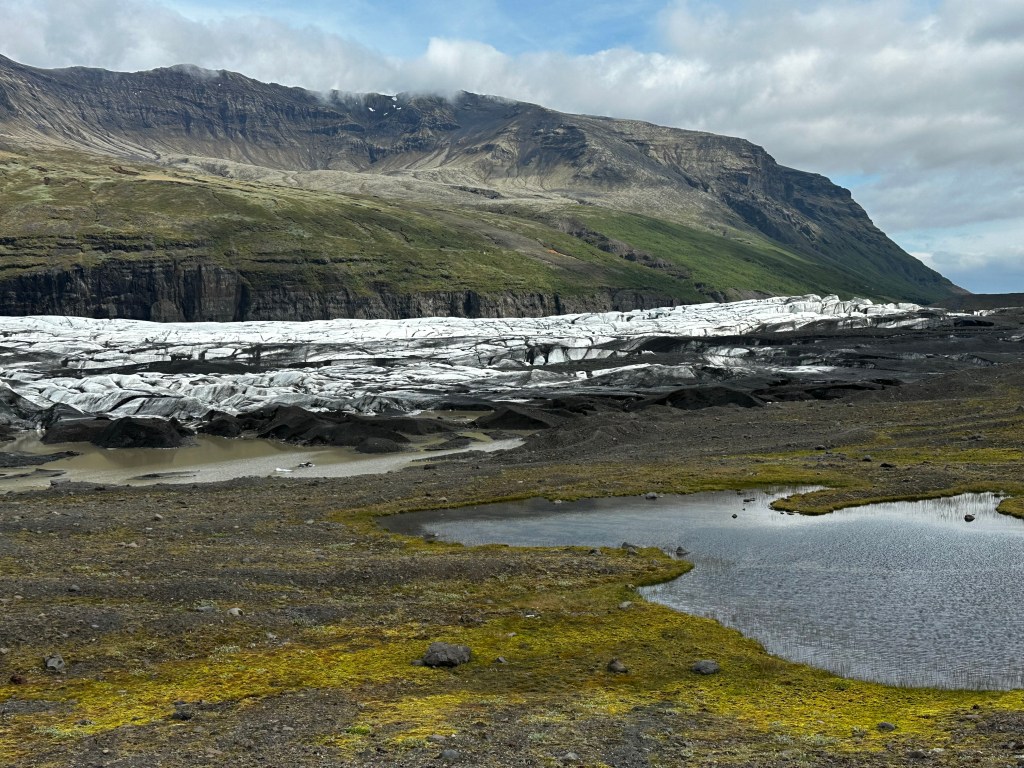
On the east coast we based ourselves at the Fosshotel Glacier Lagoon Hotel which was located right under the highest peak in Iceland, Hvannadalshnukur at 2110m overlooking the ocean with little other than a few farm buildings visible in the surrounding landscape. It was a stunning oasis in the middle of a lava desert, and we really enjoyed the three nights we had there.

On one of the days while at the hotel we had booked a tour on a Zodiac boat with Artic Adventures to go out on the Jokulsarlon Glacier Lagoon. However, there was heavy rain and strong cold winds that day, so the company generously agreed to change the trip to the following day when the weather had considerably improved.
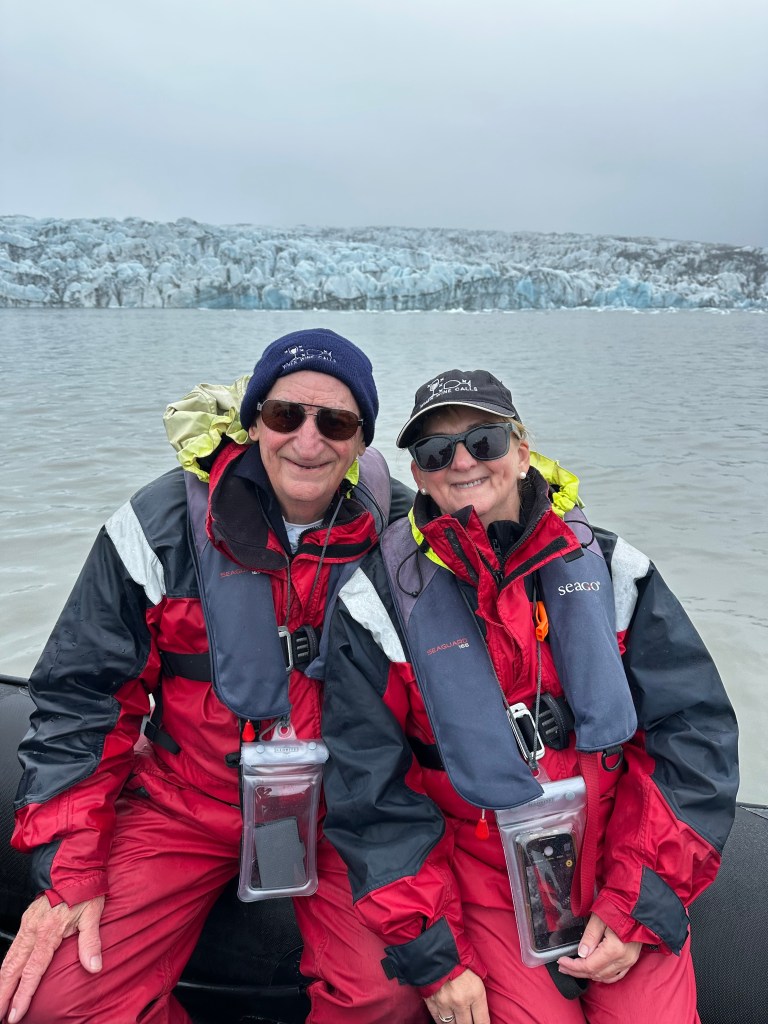
The trip on the zodiac lasted over an hour and although it was cold on the water proved to be an incredible highlight among so many on our Icelandic adventure with the boat taking us up the lagoon through all the icebergs up to the head of the glacier, sighting various species of seals on the way resting on the floating icebergs.
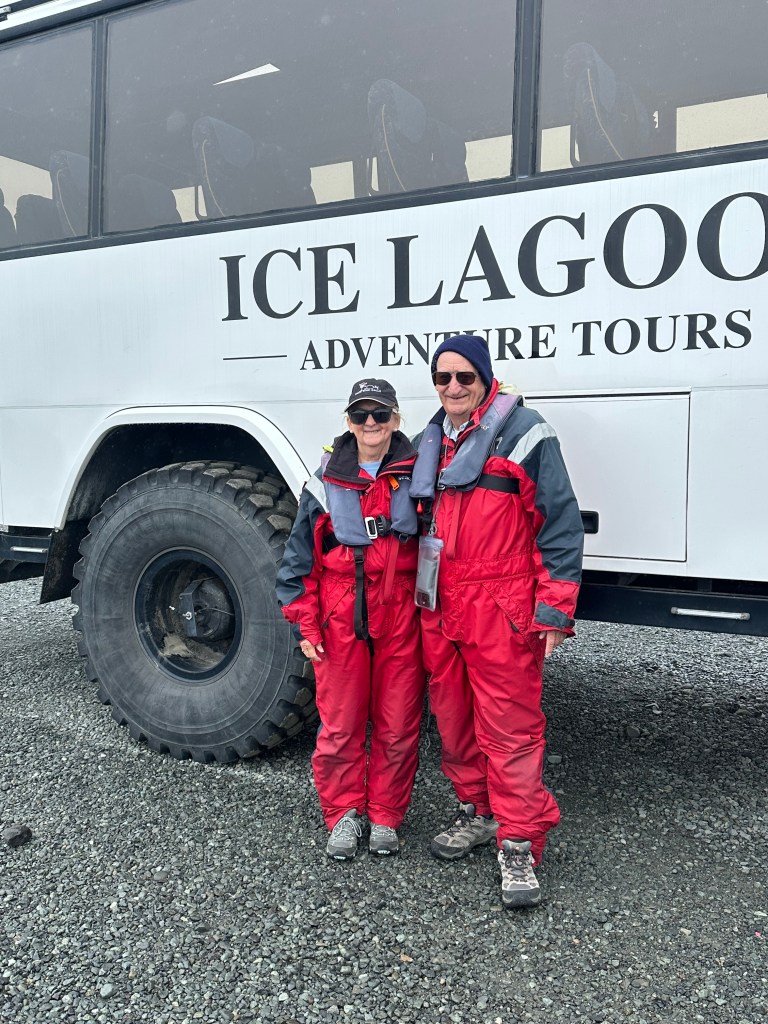
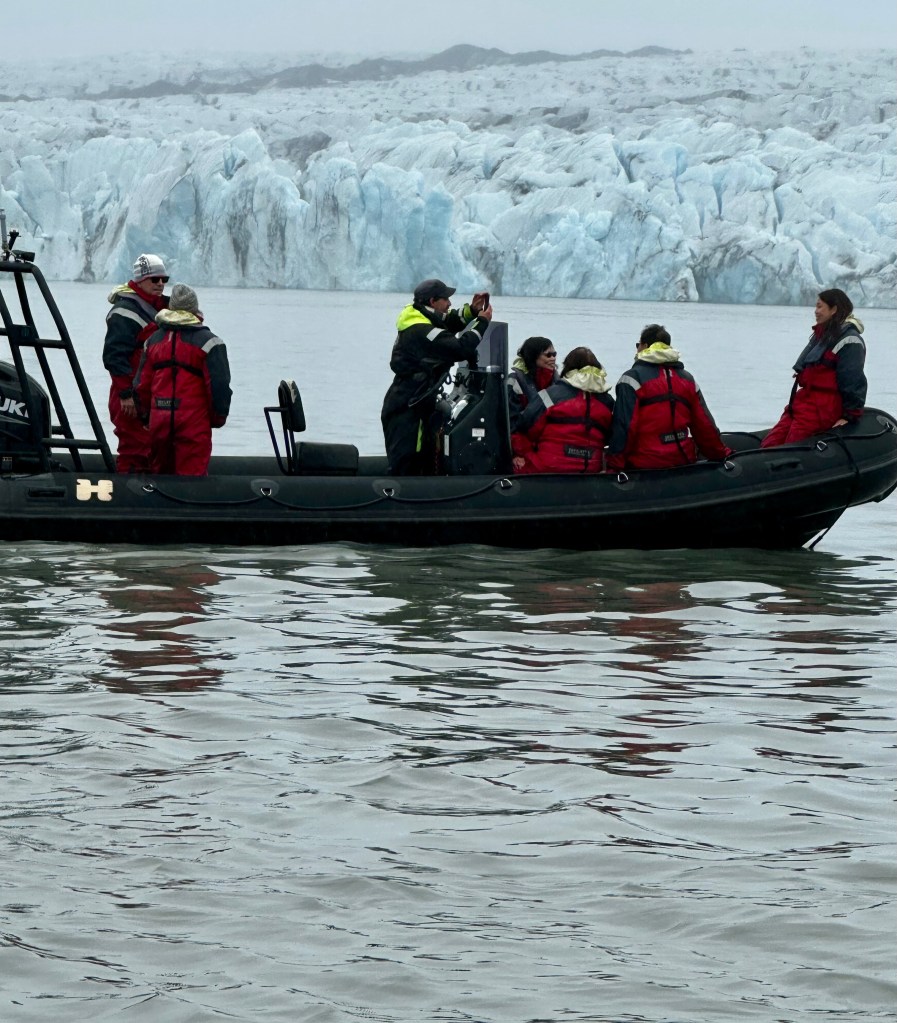

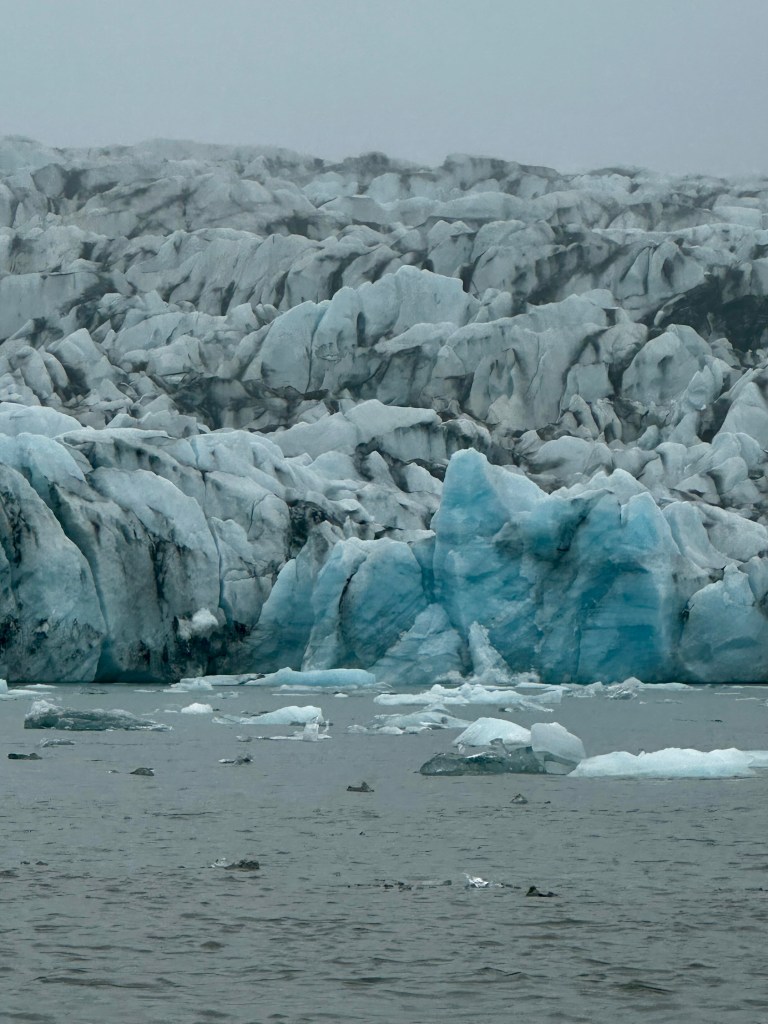

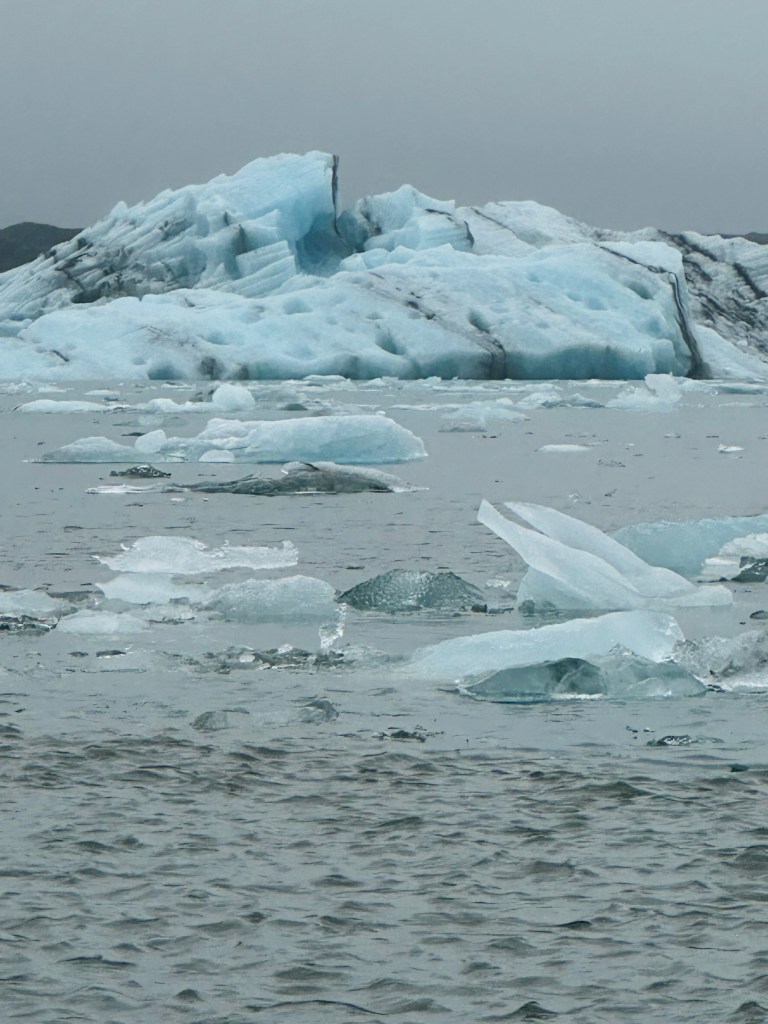
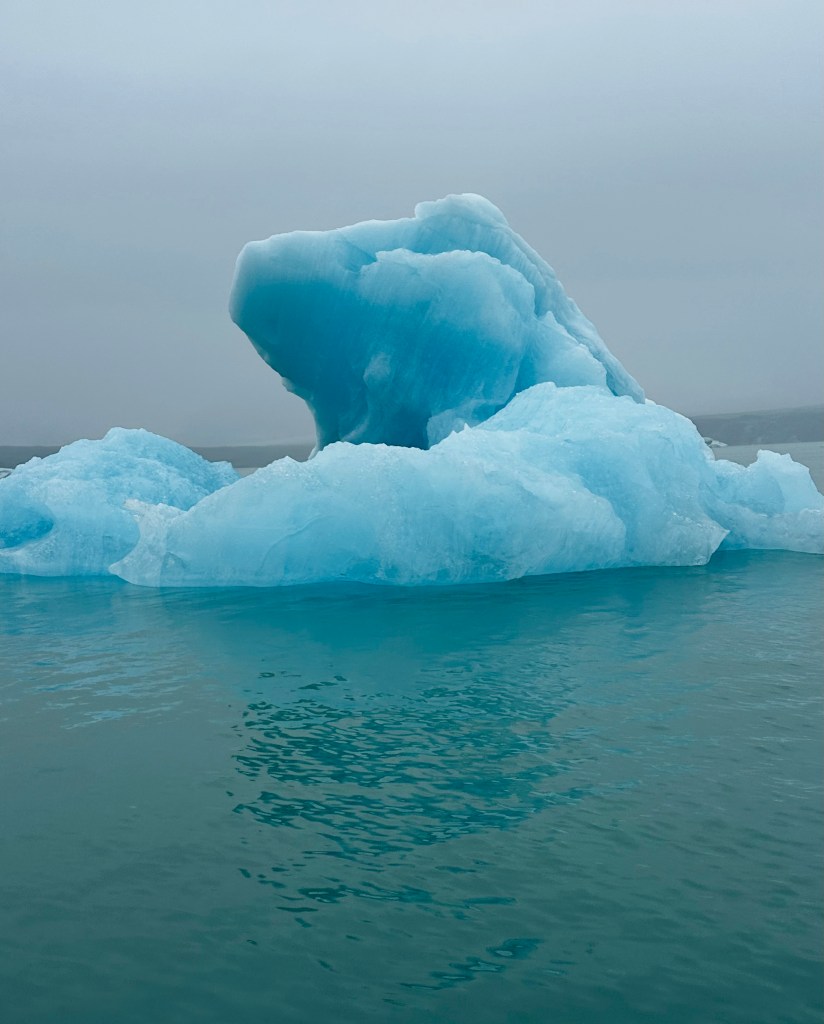
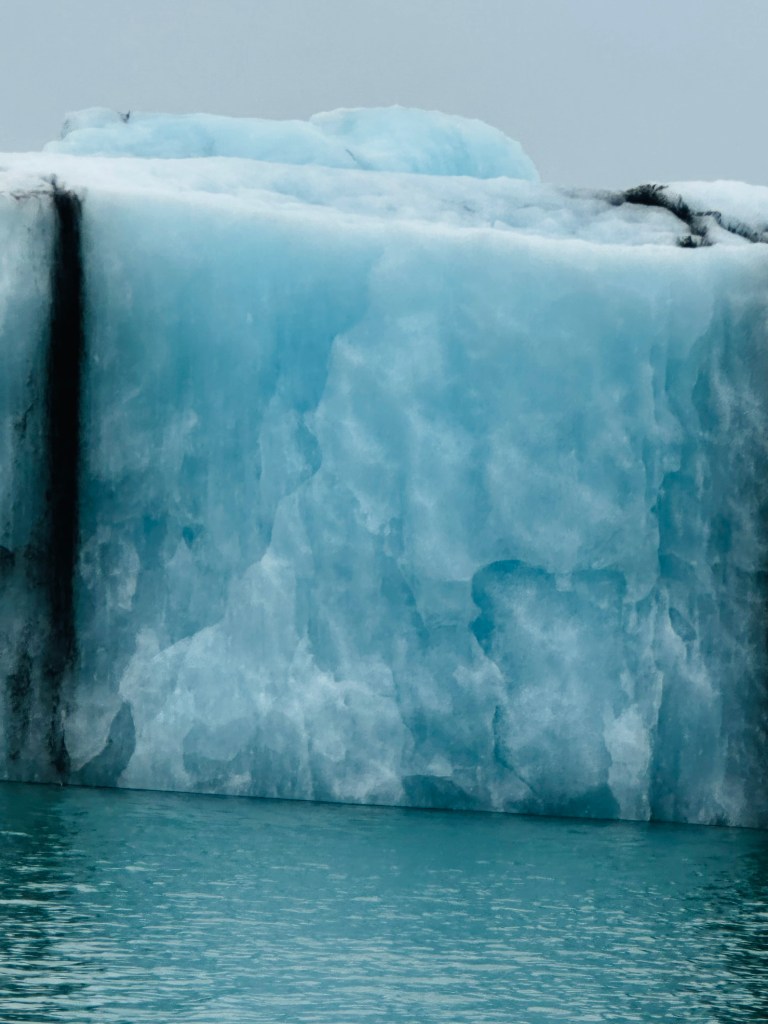
The icebergs were so blue in colour, and we were able to pull small ice sculptures out of the water that had broken off to see the incredible water purity.
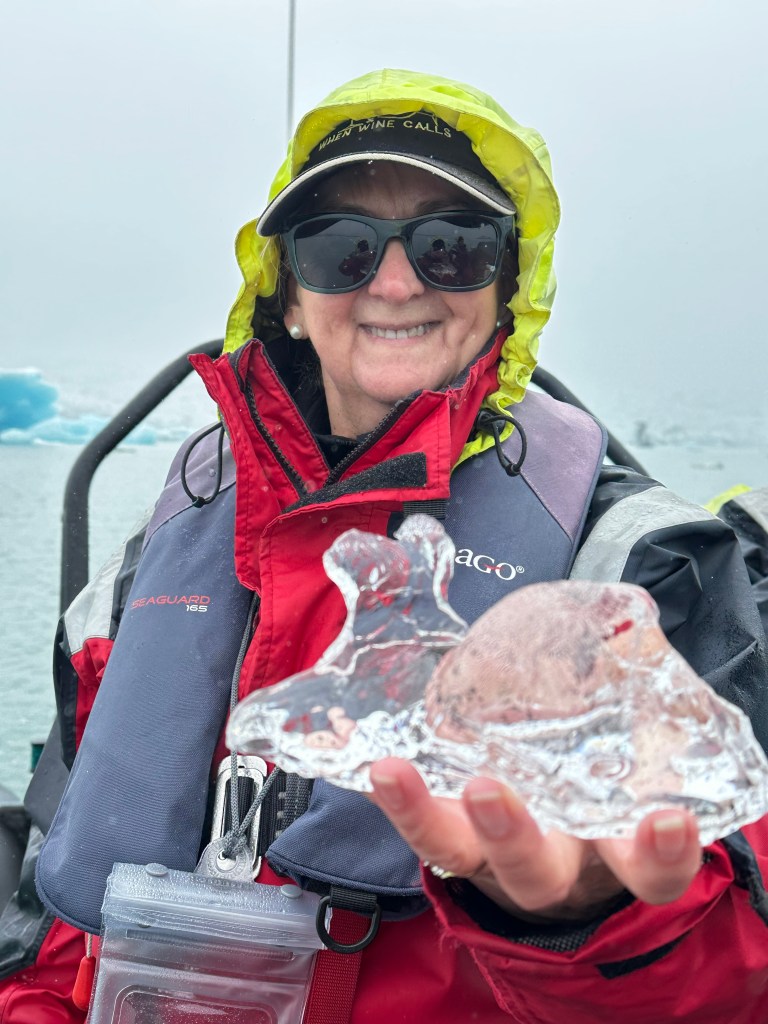
This is a must do trip if you visit this amazing country.
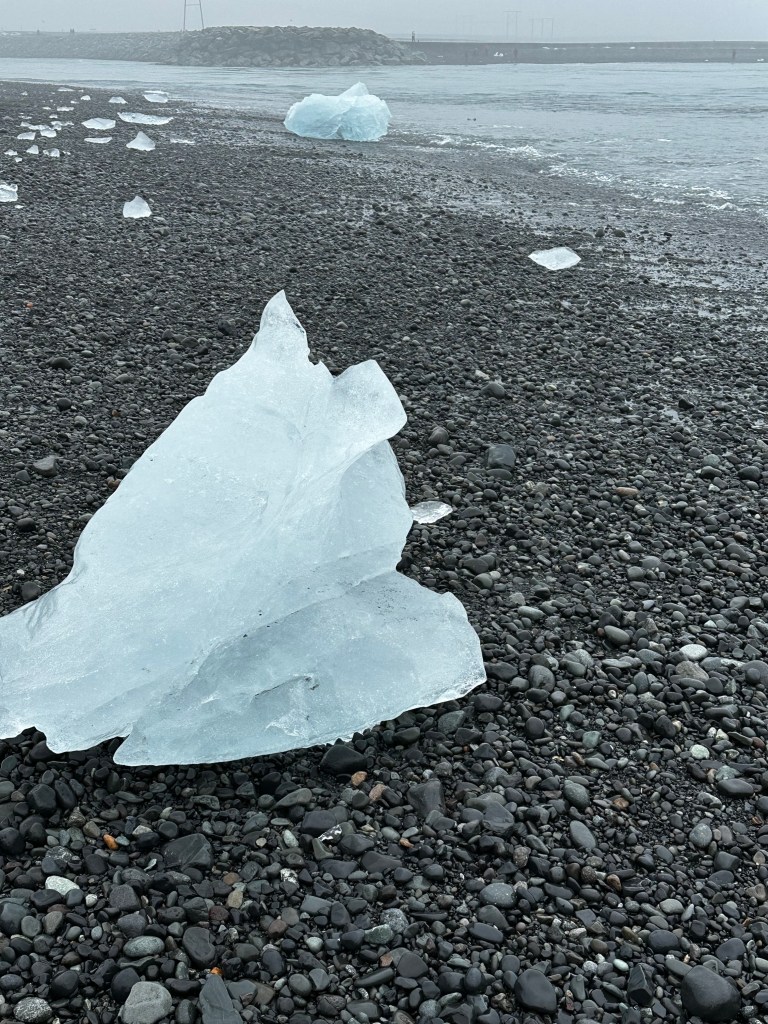
At the head of the Jokulsarlon Glacier Lagoon is the famous Diamond Beach which comprises of volcanic black sands with icebergs from the glacier washing up on the beach after escaping out of the head of the lagoon into the ocean. The beach gets its name from the sparkling blue and white colours in the icebergs and is truly an amazing site.

We had completed our journey to the eastern point of the island and had the most amazing experiences along the way. However, it was time to turn around and head west back along the coastal highway exploring new places along the way.
Join us on Part 2 of our journey along the Golden Circle of Iceland in our next blog – until then.
Bruce & Pauline
 When Wine Calls
Leave a comment